

Cat furniture tree designs have become a staple in pet-friendly homes—and honestly, once you see how much your cat uses one, you’ll wonder why you waited so long. Whether you’re dealing with a serial furniture scratcher, a cat that paces at night, or just a bored indoor kitty, a good cat tree can genuinely change your daily life. This guide walks you through what’s actually worth knowing about the cat furniture tree market right now, how to pick the right one, where to put it, and the mistakes most people make the first time around.
Key Takeaways
- The cat furniture tree market is booming in 2024, with eco-friendly and modular features leading trends (source).
- High-quality cat trees use materials like bamboo, reclaimed wood, and natural sisal to boost durability and safety. Installation, space, and upkeep still pose challenges.
- Cat furniture trees support cats’ natural needs to scratch, climb, and explore, protecting your furnishings and reducing behavioral issues.
- What Is a Cat Furniture Tree & Why Use One?
- How to Choose, Place, and Maintain Your Cat Furniture Tree
- Common Pitfalls and Advanced Tips
- Conclusion
- FAQ
What Is a Cat Furniture Tree & Why Use One?
A cat furniture tree — sometimes called a cat tower, climbing tree, or condo — is basically a purpose-built structure that gives your cat a place to scratch, perch, hide, and generally do cat things without destroying your couch. Most are built from wood, sisal rope, and sometimes more sustainable options like bamboo. The idea is simple: cats are natural climbers, and they need vertical space to feel safe and stimulated.
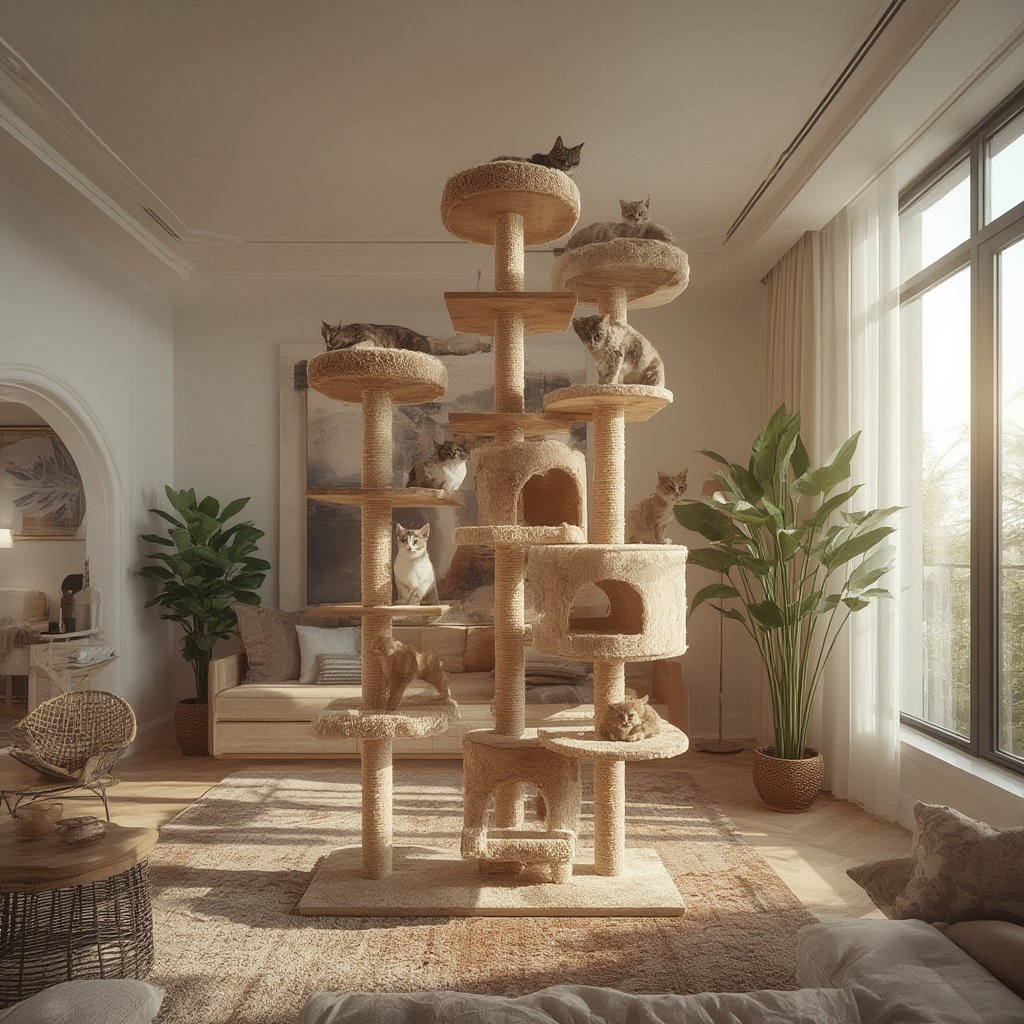
The numbers back this up too — the market for these products hit $1.28 billion in 2024, and is expected to double by 2035, driven by more people owning pets and demanding smarter designs (source).
When you put one in the right spot, a cat furniture tree stops being just a piece of furniture. It becomes your cat’s favorite place in the house. Here’s what it actually does for them:
- Scratching posts and platforms redirect clawing away from your favorite chair or carpet.
- Multi-level perches and hideaways let cats patrol from above—their instinctual safe zone.
- Stimulation and exercise help keep indoor cats physically fit and mentally content.
If you’re also trying to reduce feline stress or unwanted behaviors, pairing a cat furniture tree with a cat calming collar can help your cat feel secure as they explore their new vertical “territory.”
How to Choose, Place, and Maintain Your Cat Furniture Tree
This is where most people get it wrong — they buy something that looks good in a photo and then realize it doesn’t fit their space, their cat ignores it, or it wobbles after a week. Here’s how to actually get this right from the start:
- Choose your material: This matters more than most people think. For longevity and safety, look for cat furniture trees made from bamboo, recycled wood, or solid plywood with non-toxic finishes. Good scratching posts use sisal rope — not carpet — because sisal actually holds up and cats prefer the texture. If you care about sustainability, there are solid eco-friendly options now using reclaimed or biodegradable materials (source).
- Pick your style: Traditional cat towers are sturdy and come with multiple tiers, condos, and ramps — great if you have the space. Wall-mounted modular systems are a smarter pick for apartments or smaller rooms. Think about your actual floor plan before deciding. And if you’re setting up a full cat corner, adding a tofu cat litter box area nearby creates a complete cat “hub” your cat will actually use.
- Set up for stability: Read the instructions fully before you start — this sounds obvious but most people skip it and regret it. Many cat trees need wall anchors or bolting to stay safe, especially with bigger or heavier cats. Place the tree flush against a wall for extra support. If you have more than one cat, go taller or choose multi-level designs to reduce territory squabbles.
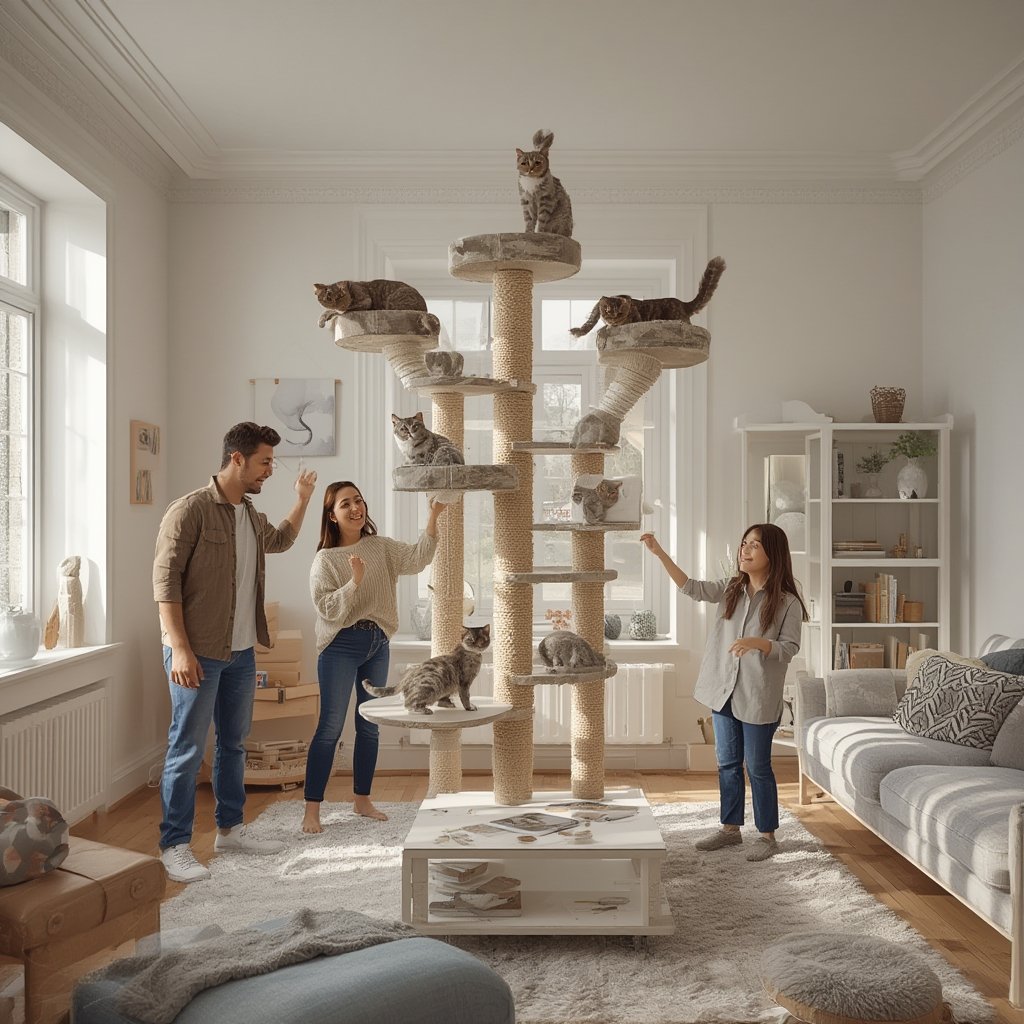
- Placement matters: Don’t stick it in a corner of a room your cat never visits. Put the cat furniture tree near a window, a favorite napping spot, or wherever your family hangs out most. Cats like being part of the action — even if they pretend not to.
- Ongoing maintenance: A quick vacuum once a week keeps fur and dust from building up. Every month, check for loose screws or worn-out posts. Replacing sisal rope is easy and cheap with DIY kits — much better than buying a whole new tree.
- Upgrade as needed: Cats get bored with the same setup over time. Swap in new dangling toys every few months, or add modules if you went the modular route. Keeping things fresh is one of the best ways to stop destructive scratching on your actual furniture.
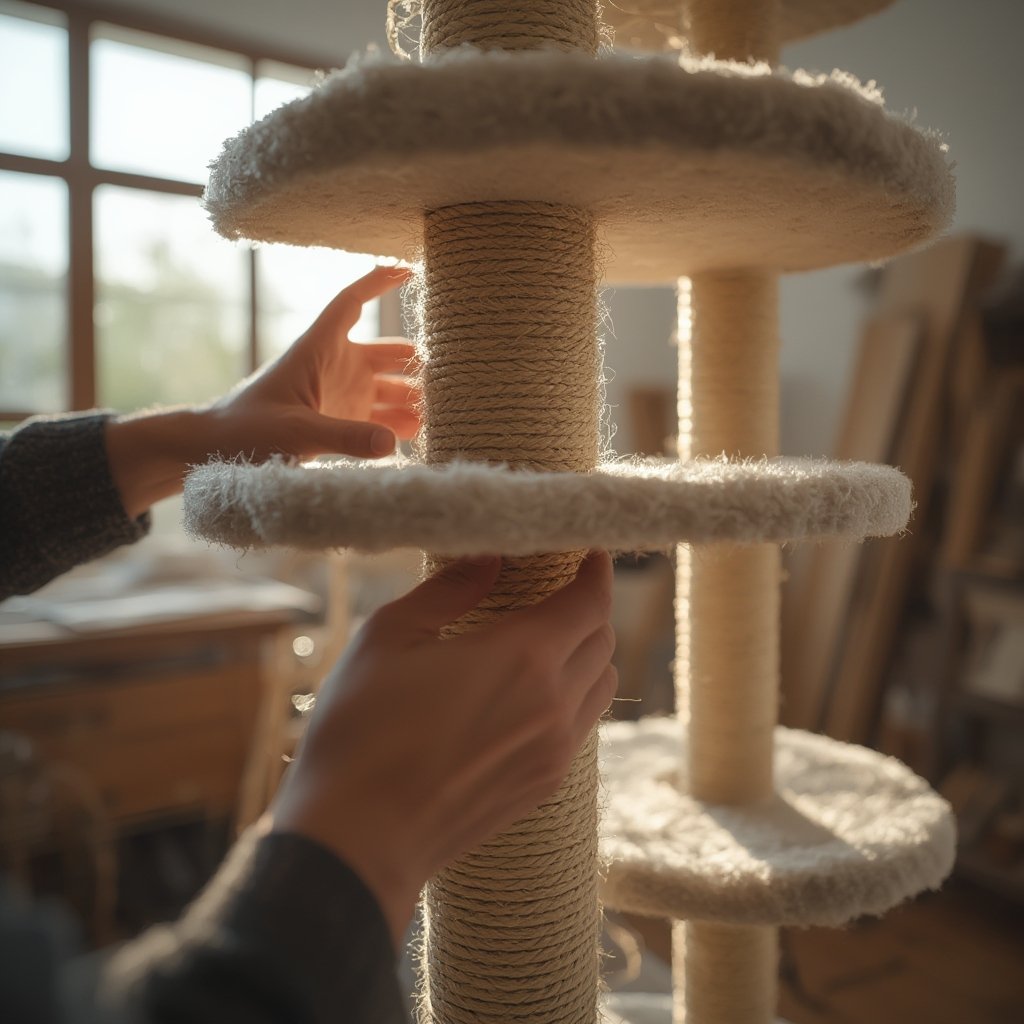
If you’re away from home most of the day, it’s worth thinking beyond just the cat tree. A cat harness for supervised outdoor time or a smart pet feeder for consistent mealtimes can round out the enrichment your cat needs when you’re not around.
Common Pitfalls and Advanced Tips
Even with the best intentions, cat furniture trees come with real frustrations. Here’s what catches people off guard:
- Stability issues: Light-weight or poorly-anchored towers can tip—especially with multiple cats.
- Material wear: Low-cost carpeting shreds; thin sisal frays quickly. Invest in quality materials for longevity.
- Assembly frustration: Many cat trees arrive flat-packed with vague instructions. Some units require two people to assemble and may need wall mounting for safety.
- Size vs. space: Large towers are great for play, but can dominate small rooms. Modular or wall-mounted options reduce footprint.
- Cleaning difficulties: Some designs have awkward nooks or glued-in fabric pads that trap hair and odors.
| Type | Installation Complexity | Space Requirement | Durability/Maintenance | Ideal For |
|---|---|---|---|---|
| Traditional Tower | Medium to High (may require two people) | High (needs dedicated floor space) | Good if made from quality wood/sisal | Multi-cat or active single-cat homes |
| Modular Wall-mounted | High (wall anchors required) | Low (expands vertically) | Excellent (easy part replacement) | Small apartments, design-centric spaces |
| Compact Condo | Low to Medium | Low | Fair (often uses soft fabric) | Older or small cats, limited space |
The cat furniture tree space is moving fast — eco-friendly materials, smart modules, and interactive features are all trending right now. But honestly, a lot of brands are still behind the curve. Most still lack truly recycled or non-toxic construction, and there’s still no universal safety standard for pet furniture in 2024, even as buyers are increasingly asking for it (source).
And if you really want to keep your space clean while your cat thrives, pairing a cat tree with a robot litter box is one of the smartest combos you can set up at home.
Conclusion
Finding the right cat furniture tree comes down to knowing your cat, your space, and what you’re actually willing to maintain. Stick with sturdy, eco-friendly materials, make sure it’s installed securely, and don’t overthink the placement — near a window is almost always a win. Get this right and you’ll have a happier cat and a lot fewer claw marks on your sofa. Have a setup that worked really well for your cat? We’d love to hear about it — and check out our other guides if you’re still building out your cat’s space.
FAQ
How tall should my cat furniture tree be?
Most cats enjoy climbing, so aim for a model at least 3-4 feet tall. For multiple cats or climbers, choose a tree with several tiers or a modular setup that lets you expand upward.
What is the best material for a cat furniture tree?
Bamboo, solid wood, plywood, and natural sisal offer the best durability and safety. Avoid flimsy particle board and synthetic fibers that wear out quickly or trap odors.
How often should I replace a cat scratching post?
Inspect every month. Replace the sisal or the entire post when it’s worn down or frayed enough that your cat stops using it, typically every 12–24 months.
Are there eco-friendly cat furniture tree options?
Yes, many new models use non-toxic glues, recyclable or reclaimed wood, bamboo, and natural fibers. Always check the product description and certifications.
How do I encourage a shy cat to use a new cat tree?
Place treats, favorite toys, or catnip on the steps and platforms. Put the tree in an area your cat already hangs out in, and give them a few days to warm up to it at their own pace.