

Rain garden design is one of the most practical ways to manage stormwater, clean runoff, and support wildlife right in your own yard. Done right, a rain garden stops water issues, boosts biodiversity, and transforms an ordinary lawn into an eco-friendly asset. But there are real pitfalls and some effort required for a project that truly works.
Key Takeaways
- Modern rain gardens reduce stormwater runoff by about 30% while significantly improving water quality by filtering pollutants.
- Smart design and maintenance are vital—common mistakes like poor siting, wrong soil, or neglect will ruin infiltration and cause mosquito problems.
- Native plant choices and correct construction can create lasting wildlife habitat, save maintenance time, and add value to your landscape.
- What Is a Rain Garden and Why Should You Install One?
- How to Build a Rain Garden: Step-by-Step
- Advanced Analysis & Common Pitfalls
- Conclusion
- FAQ
What Is a Rain Garden and Why Should You Install One?
A rain garden is a shallow, depressed area planted with deep-rooted native plants and grasses. Its main job is to capture, slow, and soak up stormwater runoff that usually rushes off hard surfaces or saturated lawns. Unlike ordinary landscaping, a rain garden harnesses the land’s natural filtering ability, letting water seep into the ground and reduce flooding, erosion, and pollution.
Modern environmental studies reveal rain gardens can reduce runoff by around 30% compared to a conventional lawn. They filter out fertilizer, pesticide, sediment, oil, and even bacteria—keeping pollutants from reaching streams and lakes. These gardens recharge groundwater, help manage drainage problems, and can be shaped to attract pollinators, butterflies, and birds with the right native plants.
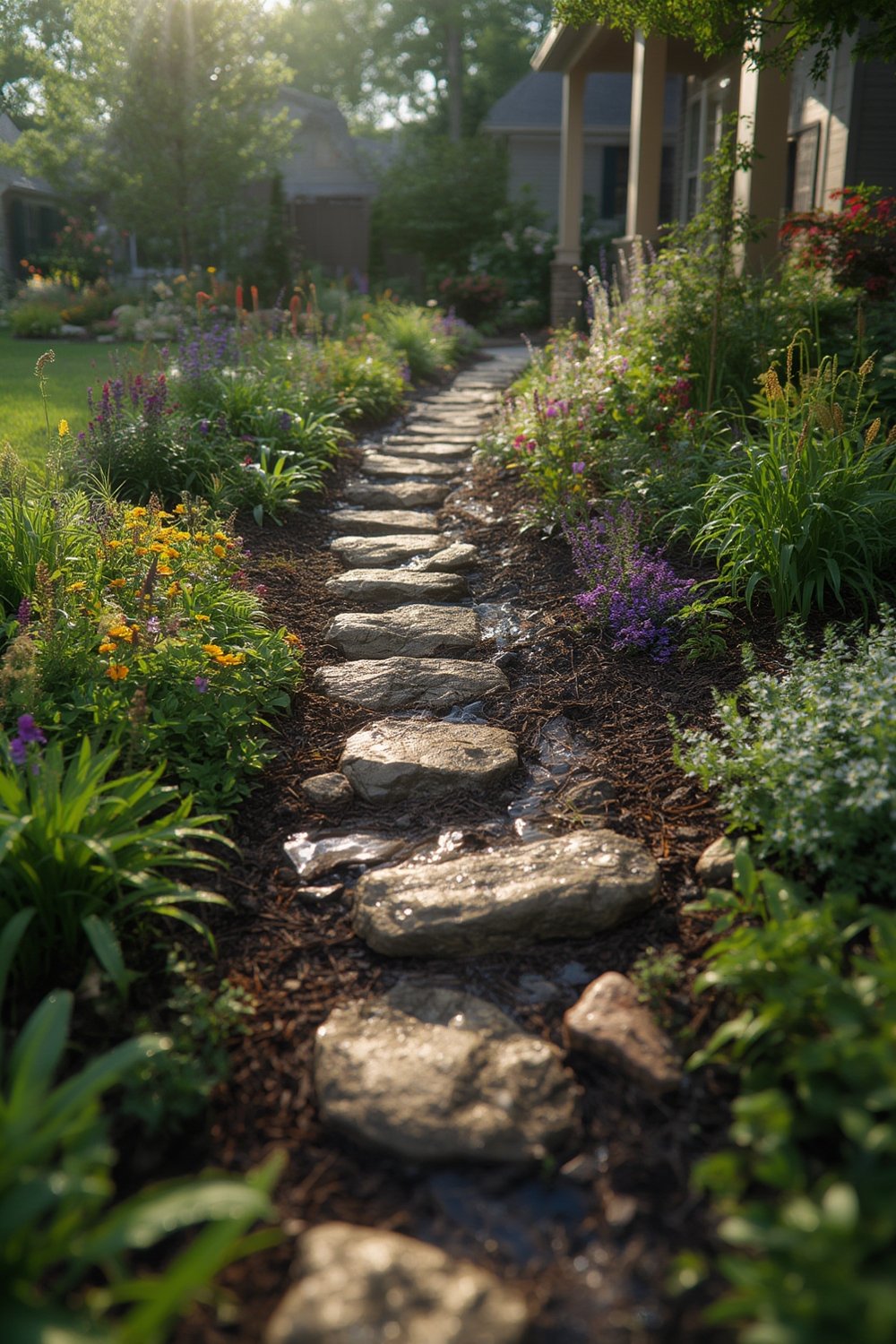
Bioswales are closely related but work best on slopes or larger properties. Both systems are part of a sustainable, low maintenance landscaping approach that is surging in popularity—much like native plant lawns and meadowscaping alternatives.
So why install a rain garden? The benefits add up:
- Reduces local flooding and waterlogged spots
- Cleans water before it enters storm drains
- Helps your community manage urban runoff
- Provides a haven for pollinators and birds
- Often requires less mowing and irrigation than turf
If you struggle with yard drainage, water pooling after storms, or want to cut down on turf grass for something that benefits the environment, a rain garden could be your best move.
How to Build a Rain Garden: Step-by-Step
Building a rain garden isn’t much harder than putting in a new flower bed, but it does demand careful planning and the right materials. Here’s a step-by-step breakdown:
- Choose the Right Location
Find a spot at least 10 to 15 feet downhill from your house. Avoid areas where water already ponds for days, on top of septic systems, or under dense tree roots. - Size & Shape
Aim for a basin about 6-12 inches deep, and make the area roughly 20% of the surface draining to it. Shape can be kidney, oval, or natural curves—just be sure the sides are gently sloped, not abrupt. - Test & Prep Soil
Run the drainage test above. If infiltration is slow, mix in 2-3 inches of sand and compost. Remove existing turf with a sod cutter or by smothering with cardboard. - Excavation
Dig out the basin, keeping the center deepest. Use soil to create a berm on the downhill side. - Plant Native Species
Choose a mix of deep-rooted native perennials, sedges, and grasses. Group plants by wetness tolerance—from wet-footed in the center to drought-tolerant on the rim. See ideas in the Advanced Analysis section below. - Mulch & Water
Mulch with shredded bark to reduce evaporation. Water until plants are established—usually the first season. - Redirect Runoff
Direct downspouts or driveway runoff to the garden. Use a buried drainpipe or shallow swale. - Maintenance
Weed, water, and check for settling or erosion. After 1-2 years, rain gardens are largely self-sustaining. Mow or cut back just once a year if needed.
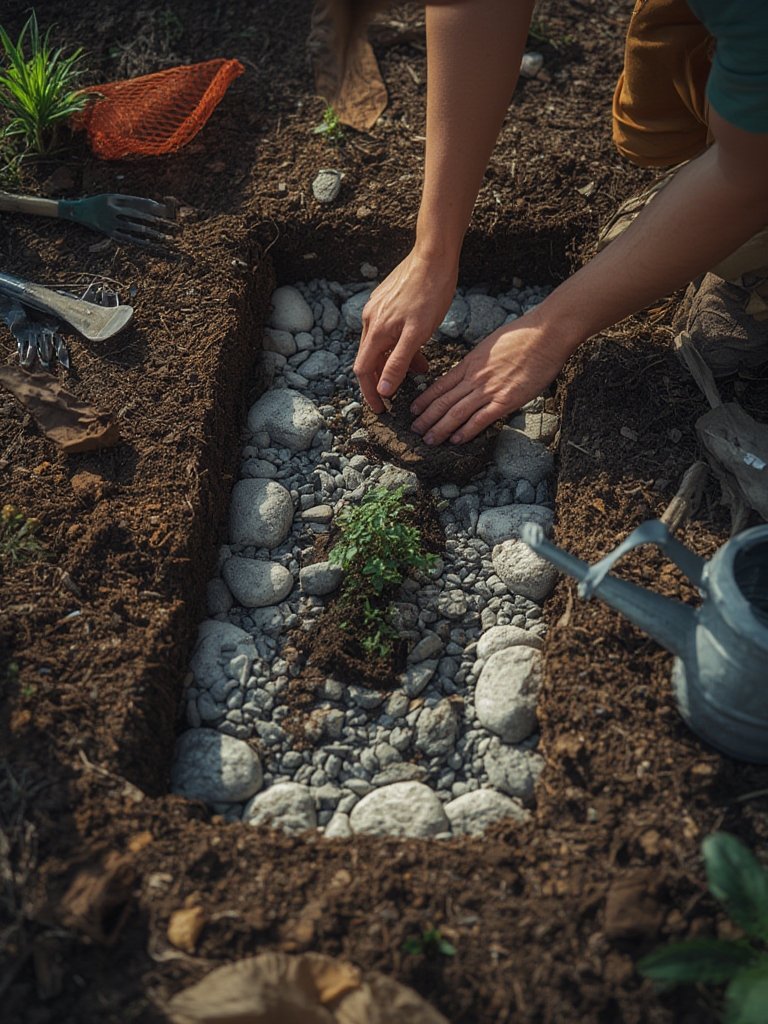
Want to combine a rain garden with other eco-friendly lawn alternatives? Try swapping out more turf for a Pennsylvania sedge lawn or a meadow planting—both solutions that offer real water savings and more habitat.
Advanced Analysis & Common Pitfalls
Despite their benefits, rain gardens do come with challenges—most of which are avoidable with careful planning. Here are the most frequent problems, plus ideas for advanced design and maintenance:
| Problem | Cause | Solution |
|---|---|---|
| Standing water, mosquito breeding | Wrong soil type or poorly built basin | Ensure garden drains in 24–48 hours; amend with sand/compost |
| Plants die or do not establish | Poor selection, wrong placement, too dry/wet | Use regionally native plants matched to soil/wetness zones |
| Runoff bypasses garden | Improper contour, lack of inflow channel | Grade basin and redirect water via stone-lined swale |
| Too close to house or foundation damage | Poor siting (less than 10 ft from foundation) | Relocate rain garden 10–15 ft away |
| Maintenance decline, invasives take over | Lack of weeding, mulching, or cutting back in year 1–2 | Weed bi-weekly at first; consider “no-mow” plants like Pennsylvania sedge |
Performance Metrics:
- Rain gardens reduce stormwater runoff by about 30%, draining within an hour after a storm (UCANR).
- Bioswales reduce nitrogen loading up to 30% in frequent storms but only 6–10% during 100-year events (PMC Article).
- Best plant picks feature deep, fibrous roots such as Carex sedges, prairie grasses, bee balm, and coneflower—these support pollinators, break up soil, and boost infiltration.
You can further explore specific native plant strategies with our detailed guides on pollinator garden design or try Pennsylvania sedge lawn for tough spots.
Wildlife and Biodiversity Pitfalls
Most guides skip over:
- Plant diversity and layering: Use multiple layers for more habitat (tall grasses, blooming perennials, groundcovers).
- Continuous bloom: Choose species that flower from spring to fall (e.g., golden alexanders, asters).
- Host plants for larvae: Add milkweeds or violets for butterfly caterpillars—not just adult nectar plants. Our bee hotel projects further this benefit.
Don’t ignore the role of stone, wood, and dead plant stems—these offer shelter for over-wintering insects and support the ecosystem.
Cost Considerations
No up-to-date (2023–2024) data exists on rain garden installation cost, but you can expect:
- DIY: $3–$8 per square foot (soil, mulch, plugs, simple swale materials)
- Full-service install: $10–$20 per square foot (excavation, expert design, mature plant material)
Maintenance drops sharply after the first year—especially with densely planted, low-maintenance species. For a summary of cost-saving sustainable alternatives, read about native grass replacement or native meadow planting for broad coverage.
Conclusion
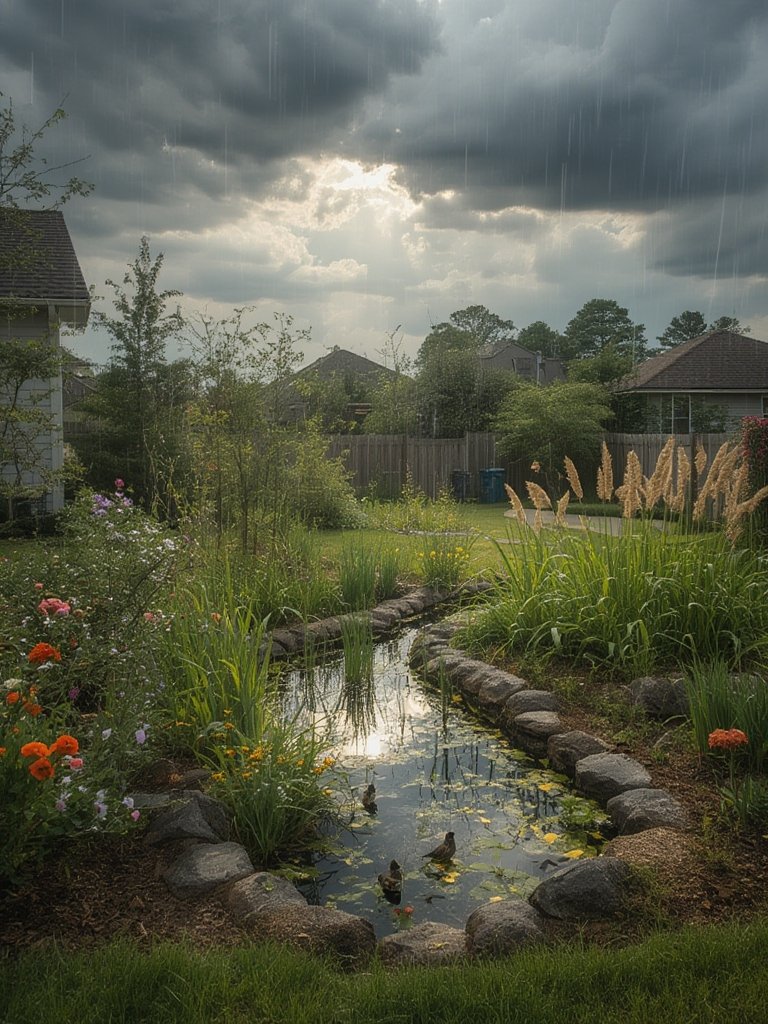
Creating a rain garden directly addresses runoff, supports pollinator habitat, and improves water quality at home. Careful site selection, proper construction, and using densely planted native species are key to long-term results. While rain gardens take some planning and patience at the start, the payoff is a beautiful landscape that works for both you and the environment. If you’re considering the shift from traditional turf, a rain garden is among the smartest and most rewarding choices you can make. Start your design today and see a greener, cleaner yard next season.
Ready to transform your landscape? Explore more sustainable solutions like eco lawns, prairie gardens, or upgrade yard tools with a zero turn mower for easy native planting management.
FAQ
How long does a rain garden take to start working?
Properly built rain gardens begin draining within 24–48 hours after rainfall. Native plants may take one or two seasons to reach full infiltration and start attracting a variety of pollinators and birds.
Which native plants are best for a rain garden?
Choose regionally native, deep-rooted plants such as coneflower, carex sedges, bee balm, aster, black-eyed Susan, and switchgrass. These offer high water absorption, habitat value, and low maintenance needs.
What’s the difference between a rain garden and a bioswale?
Rain gardens collect and infiltrate water on flat to gently sloped areas. Bioswales are broader, shallow linear features designed to slow, filter, and move water, ideal for larger or sloped properties with drainage channels.
How much does a typical rain garden cost to install?
DIY costs range from $3–$8 per square foot. Professional design and installation can run $10–$20 per square foot, varying by plant choice, excavation needs, and labor rates.
Are there rebates or incentives for installing a rain garden?
As of 2024, available rebates and stormwater credits vary by region, and no national database exists. Contact your local municipality or water utility to ask about current programs or pilot initiatives.