

Probiotic pet supplement use is reshaping how pet owners tackle digestive health in dogs and cats. Backed by recent scientific breakthroughs, these supplements can improve gut balance, but misunderstandings and real-world challenges remain. Here’s what you really need to know before adding a probiotic pet supplement to your furry friend’s routine.
Key Takeaways
- Modern probiotic pet supplements for dogs and cats can improve gut health, immune response, and reduce harmful bacteria, but not all strains work the same way.
- Evidence supports short-term digestive benefits, especially with specific strains and synbiotics, yet long-term results and owner experience data are limited.
- Choosing the right supplement—considering delivery method, verified strains, CFU count, and monitoring for changes—is crucial for safely supporting your pet’s GI tract.
- What Is a Probiotic Pet Supplement and Why Does It Matter?
- Step-by-Step Guide: How to Use Probiotic Pet Supplements Effectively
- Advanced Analysis & Common Pitfalls
- Conclusion
- FAQ
What Is a Probiotic Pet Supplement and Why Does It Matter?
Probiotic pet supplements are concentrated doses of beneficial bacteria designed to support your dog or cat’s gut health. The concept is simple: balance and diversify the microbiome to improve digestion, stool quality, nutrient absorption, and even immunity.
Scientific studies from 2023-2024 show real, measurable outcomes: reduced GI pathogens like Clostridium perfringens, increased short-chain fatty acids (SCFAs), and faster recovery in diarrheic pets. (See findings: NIH review) Not all supplements are equal—results depend on the bacterial strains, their CFU (colony-forming units), and your pet’s unique needs.
Digestive health issues in pets manifest as loose stools, excessive gas, poor appetite, itchy skin, and repeated infections. A quality probiotic pet supplement offers a practical, non-pharmaceutical way to help balance the gut and support overall wellness. Compared to generic canine or feline supplements, probiotic blends with proven strains and delivery systems (like microencapsulation) make a tangible difference in outcomes.
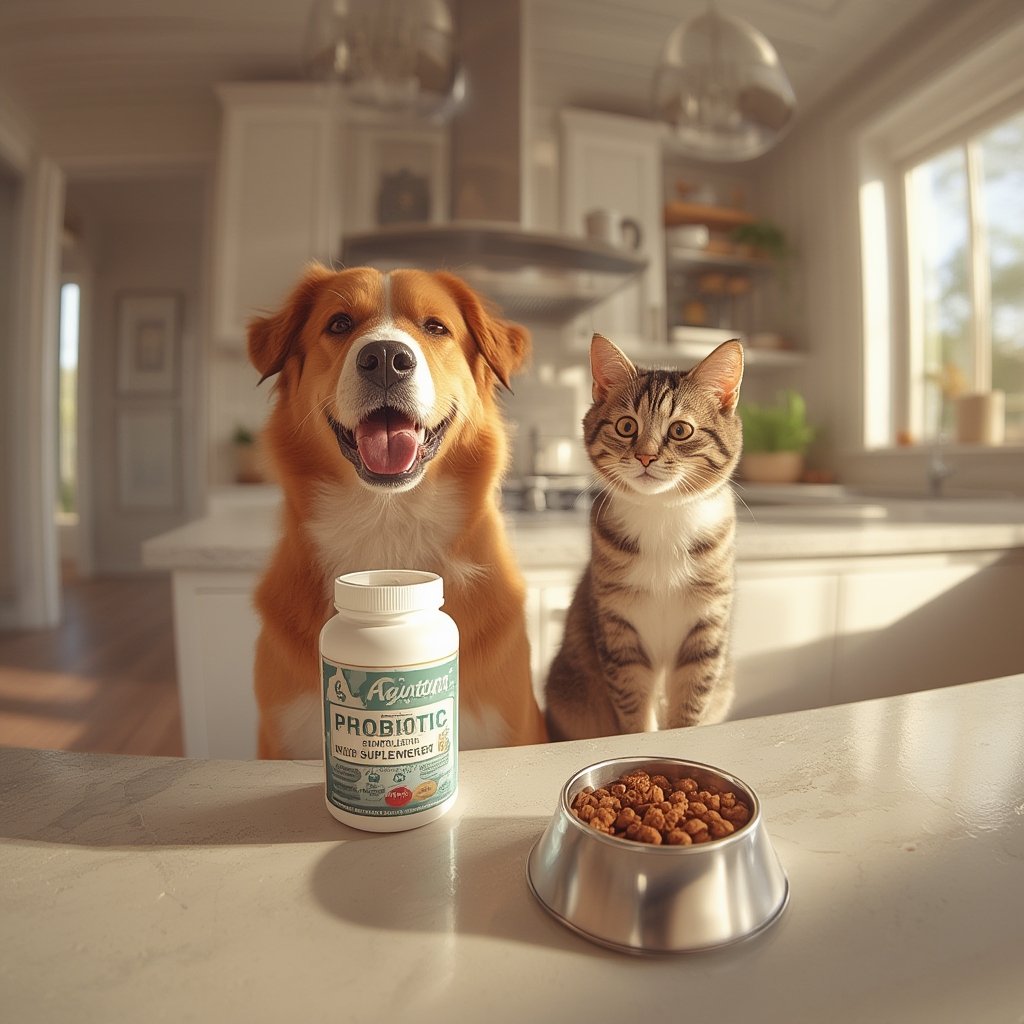
For pet owners searching for real solutions to digestive troubles, probiotics offer hope—backed by modern evidence and a shift toward a more holistic, functional approach to pet wellness.
If you’re already incorporating wellness products like cat calming collars or monitoring feeding times with a smart pet feeder, targeting gut health with the right supplement is a logical, evidence-based next step.
Step-by-Step Guide: How to Use Probiotic Pet Supplements Effectively
To get genuine health benefits for your dog or cat, using a probiotic pet supplement requires more than just grabbing a random product off the shelf. Follow these action steps for safe and optimal results:
- Consult Your Vet First: Before starting any new digestive supplement, discuss it with your veterinarian, especially if your pet takes other medications or has chronic illnesses. Most vets now recognize the short-term benefit of probiotics, primarily in cases like acute diarrhea or post-antibiotic recovery. However, they may have concerns about lifelong, unsupervised use due to limited long-term efficacy data.
- Choose Proven Strains & Right Formulation: Look for products specifying strains in their full scientific names plus strain numbers, e.g., L. plantarum DSM 24730, S. thermophilus DSM 24731, or B. amyloliquefaciens CECT 5940. Multi-strain blends and synbiotics show stronger evidence of boosting gut diversity. Verify CFU counts—most validated trials show results at 1×10⁸–3×10⁸ CFU/animal/day. Avoid products with vague or missing strain info.
- Inspect Labels for Clarity & Safety: The best probiotic pet supplement options must list active strains, expiration date, storage instructions, guaranteed CFUs at expiry (not just at manufacture), and transparent dosing instructions. Steer clear of formulas intended for humans due to different species needs and uncertain dosing.
- Start Slow & Monitor Your Pet: Mix the recommended dose into a consistent part of your pet’s diet. Watch closely for the first 10-14 days: you should see firmer stools, less odor, and decreased flatulence if the supplement is working and your pet is absorbing it well. Track any new symptoms or lack of change. If your pet turns up their nose, try another delivery method—or an eco-friendly solution for litter box odors.
- Cycle or Change Formulas as Needed: If there’s no benefit or your pet’s GI symptoms recur, try switching to another strain or a synbiotic. Because bacterial diversity matters, rotating products every few months may be more useful than sticking to one brand indefinitely—though always under vet guidance.
- Document & Measure Progress: Use a simple log to record daily stool scores, appetite, energy, and skin/coat appearance. Consider taking “before” and “after” photos or videos to objectively compare signs of improvement. This helps counteract placebo bias and provides clear information to your vet.
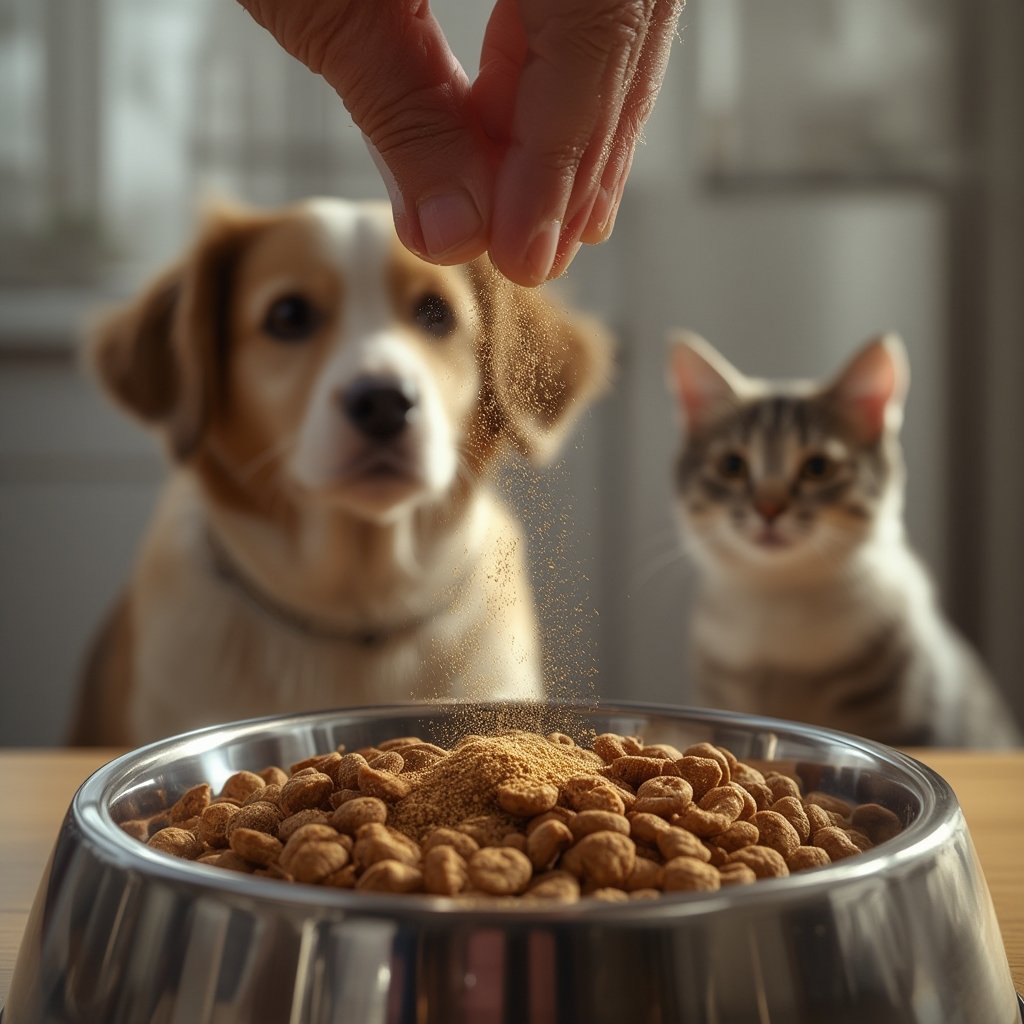
Extra step: Use dental chews that contain probiotics and enzymes to further maintain oral and digestive health—see our pet dental chews guide for top picks and extra science.
Advanced Analysis & Common Pitfalls
Despite advances in the science behind probiotic pet supplements, several pitfalls and misunderstandings persist. Understanding these can save you time, money, and frustration.
Top Three Pitfalls to Avoid
- Assuming All Probiotics Are Created Equal: Only a handful of strains have proven effectiveness in pets. Many “generic” products (sometimes sold at a premium price) contain unproven, untested, or even dead bacterial strains. Always demand transparency and clinical backing—see this peer-reviewed data summary.
- Expecting Overnight or Permanent Results: Most short-term studies see improvement in 3-14 days, especially during episodes of acute diarrhea (such as with Vivomixx® or L. johnsonii CPN23). However, evidence for benefits beyond a few months is missing. Owners and vets remain cautious about indefinite daily use without breaks, due to long-term efficacy and adaptation questions (market analysis).
- Ignoring Pet-Specific Differences & Delivery Challenges: What works for medium-sized dogs may not suit finicky cats or pets on a raw/fresh diet. Strain delivery (pill, powder, microencapsulated bead) directly impacts viability and efficacy, especially in wet vs. dry food. Cats, in particular, may reject supplements due to texture or palatability—look for flavor-neutral, cat-specific formulations, or try “stealth” mixing hacks.
Comparison Table: Synbiotics vs. Probiotics Alone for Dogs and Cats
| Feature | Probiotics Only | Synbiotics (Probiotic + Prebiotic Fiber) |
|---|---|---|
| Gut Microbiome Diversity | Moderate increase (up to 30%) | Significant increase (up to 46.9%) |
| Clinical Recovery Speed (Diarrhea Cases) | Improvement vs. placebo (by Day 3–5) | Faster, more consistent recovery (by Day 2–3) |
| Stool Consistency | Improvement in most cases | Better long-term improvement, reduced relapse |
| Pathogen Reduction | Decreases Clostridium, E. coli in clinical studies | Greater reductions + higher SCFA production (view market insights) |
| Cost | Lower initial cost | Usually higher per month, but potentially better value/benefit ratio |
| Best For | Short-term GI upsets, basic maintenance | Persistent gut issues, highly sensitive or senior pets |
Possible Drawbacks, Side Effects, and Gaps
- Side Effects: Modern clinical studies report minimal short-term side effects—most pets tolerate supplements well, with no differences in stool quality or GI pH reported versus placebo (see study). However, research and market reports lack real-world, long-term owner feedback data—watch for subtle changes.
- Price Transparency: Accurate, up-to-date monthly cost data for the best probiotic pet supplement options is missing in current research. Expect prices to vary widely by strain quality, capsule vs. powder, and pet size. Always check cost-per-dose and verify expiry before buying bulk.
- Regulatory Consistency Missing: Unlike human probiotics, pet product labeling regulations are vague or absent in many regions, making standardization of quality and CFU guarantees inconsistent. Choose brands with third-party testing or vet endorsements.

If you’re preparing for outdoor adventures with your cat, stacking a safe cat harness with a gut health plan is a smart holistic strategy.
Conclusion
Modern evidence shows that a probiotic pet supplement—when carefully chosen and properly given—can deliver real improvements in your pet’s digestion, stool quality, and immune health. But results depend on using clinically-backed strains, dosing correctly, and watching for delivery or compliance issues. The science is promising, especially for short-term gut troubles. Long-term benefits are less certain but worth exploring for pets struggling with recurring GI issues.
Ready to help your dog or cat feel better from the inside out? Consult your vet, start with a science-based probiotic pet supplement, and stay alert to your pet’s responses. Small changes may yield big results for both digestive comfort and daily vitality.
FAQ
Can I use human probiotics for my dog or cat instead of a probiotic pet supplement?
It’s generally not recommended. Humans and pets have different microbiomes, and dosing may be inappropriate. Always use pet-specific probiotic supplements that name the strains and include proper CFU counts.
How long does it take to see results in my pet after starting a probiotic supplement?
Most pets show improvement in stool quality and digestion within 3–14 days, especially during acute upsets. If no changes are seen after two weeks, consult your vet or try a different strain/formulation.
Are there any risks or side effects if I use a probiotic pet supplement daily?
Short-term clinical studies report minimal to no side effects when used as directed. However, because long-term safety data (over 12 months) is lacking, consult your vet before indefinite use, and monitor your pet closely.
What is the best CFU count and strain for my pet?
Most research recommends 1–3×10⁸ CFU/animal/day for dogs and cats, with proven strains like L. plantarum DSM 24730 or B. lactis IDCC 4301. Look for blends that specify strains and guarantee CFU count at expiry.
Do probiotic supplements work for both diarrhea and constipation in pets?
Evidence is strongest for supporting pets during acute diarrhea or after antibiotics, but some improvement in stool regularity has been observed in pets with sensitive digestion. Effectiveness varies by pet and root cause.