

Smart pet feeder technology is transforming how pet owners manage daily feeding, giving you the power to automate, monitor, and customize meals for your cats and dogs even when you’re away. Whether your goal is to maintain a routine or keep an eye on your furry friend, choosing and using a smart pet feeder isn’t always as simple as it sounds. In this guide, you’ll learn what makes a smart pet feeder “smart,” how to set it up for success, and what real users wish they’d known before buying.
Key Takeaways
- The smart pet feeder market exceeded USD 1.4 billion in 2024 and is projected to double this decade, with WiFi smart pet feeders allow remote customization, camera monitoring, and precision portioning, but some models struggle with battery life or require careful maintenance. [Source]
- WiFi smart pet feeders allow remote customization, camera monitoring, and precision portioning, but some models struggle with battery life or require careful maintenance.
- Premium feeders with cameras cost $150–300, but subscription fees and average lifespan tips are often hidden—safety, privacy, and reliability should be checked carefully before buying.
- What Is a Smart Pet Feeder and Why Bother?
- How to Use a Smart Pet Feeder: Step-by-Step Setup
- Smart Pet Feeder Tech: Advanced Analysis & Common Pitfalls
- Conclusion
- Smart Pet Feeder FAQ
What Is a Smart Pet Feeder and Why Bother?
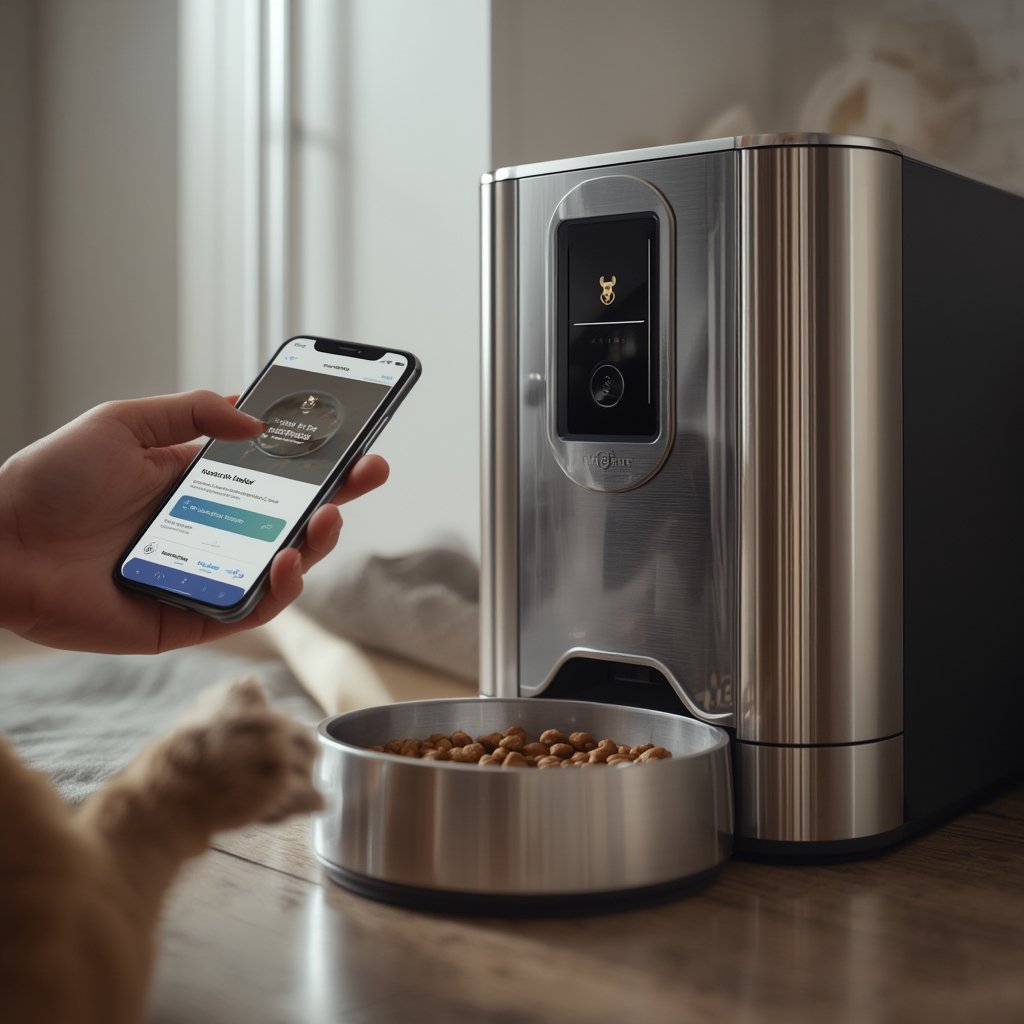
A smart pet feeder is a connected feeding device that distributes measured portions of pet food according to schedules you control, often via a smartphone app. Unlike traditional automatic feeders, smart pet feeders use WiFi and sensors to provide real-time monitoring, enable remote schedule changes, send alerts, and sometimes use built-in cameras to show you live video of your pet while eating.
As landlords tighten pet policies and more people live in cities, these feeders have become must-haves for busy owners who want to maintain pet health and avoid skipped meals, even during overtime shifts or short vacations. The popularity surge is clear—global sales have grown well beyond $1.4 billion in 2024, with WiFi models making up over 65% of all sales and the US market alone valued at $601–640 million.[Source]

The main reasons to use a smart pet feeder include:
- Accurate, automatic meal scheduling—keep meals on time, even with unpredictable routines
- Remote monitoring and control—adjust schedules and check your pet’s status from anywhere
- Portion control for diet and health—help manage weight, prevent overfeeding, and monitor intake
For pet owners already using modern calming aids (see cat calming collar) or eco-friendly litters (tofu cat litter guide), smart pet feeders represent the next logical step in modern pet care.
How to Use a Smart Pet Feeder: Step-by-Step Setup
Ready to automate feeding with a smart pet feeder? Here’s exactly how to get started:
- Choose the right model for your pet’s needs. Most smart pet feeders fall into two types: basic WiFi/app-enabled (typically $80–200) and camera-enabled ($150–300). For multiple pets, look for 3–5L capacity and robust app scheduling. Cat owners with anxious or picky eaters may want to check integration with feline stress relief tools or wet food compatibility (like refrigerated Petlibro models).
- Install the feeder following the manual’s steps. Place it away from litter boxes or busy walkways. Many feeders use batteries as backups—test both plug and battery functions.
- Download and set up the manufacturer’s app. Link your feeder to your home WiFi and name each feeder (useful for multi-pet homes).
- Customize feeding times and portion sizes on the app. Dogs and cats have different caloric needs; consult your vet or reference authenticated sources for correct meal volumes. Double-check scheduling logic if your feeder offers AI or automatic portion adaption for overactive pets.
- Test for dispensing accuracy for several cycles. Watch the first feedings in person or use a camera-equipped feeder for live video. Some feeders have real-time notifications (like error alerts or food supply warnings); enable all app alerts.
- Sanitize and maintain the feeder regularly. Food residue can jam gears or attract pests. Clean food hoppers and feeding bowls weekly. Replace or recharge batteries as specified in the manual.
For pets who need a boost in particular meals, many owners combine scheduled smart feeding with a dog food topper or nutritional enhancer—these pair well with portion-controlled dispensing.
If you’re introducing a harness or leash walks into your pet’s routine, a scheduled feeder can also be synced with activity times. Learn how feeding schedules interact with outdoor adventures in our cat harness guide.
Smart Pet Feeder Tech: Advanced Analysis & Common Pitfalls
The smart pet feeder market continues to grow rapidly due to urban lifestyles and pet humanization. However, choosing and relying on a smart pet feeder comes with several challenges and overlooked limitations.
Comparison: WiFi vs. Traditional Automatic Feeders
| Feature | WiFi Smart Pet Feeder | Traditional Automatic Feeder |
|---|---|---|
| Remote App Control | Yes (schedule, portion, monitor remotely) | No (manual setup only) |
| Camera & Video Monitoring | Often available ($150–300 models) | Rare or not available |
| Scheduling Flexibility | High, customizable per meal | Preset intervals only |
| Real-Time Alerts | Yes (app notifications) | No |
| Power Source | AC + battery backup; check battery life often | Battery, less complex electronics |
| Maintenance | Needs frequent cleaning, firmware updates, and occasional reset if app connectivity glitches | Simpler, less to clean |
| Cost | $80–300 (WiFi/camera-enabled) | $40–90 (basic) |
Common Pitfalls & Honest Real-World Concerns
- Battery and Power Issues: Many smart pet feeders suffer from low battery runtime, especially camera models. If power drops or WiFi disconnects, feeding schedules may break.
- App Reliability and Software Glitches: Some feeders face app crashes, time zone errors, or firmware bugs—always set a manual backup meal and monitor for updates.
- Maintenance Needs: Feeding mechanisms can jam, especially if using oily kibbles or attempting wet food in a dry-food-only model. Clean mechanisms and hoppers weekly to avoid breakdowns.
- Privacy and Security Gaps: While no hard data cites pet camera hacking, internet-connected devices can pose privacy or data risks. Change default app passwords immediately and regularly update firmware.
- Portion Control Accuracy: Top-selling feeders offer reliable amounts, but no independent standards guarantee perfect precision. Frequent, small feedings may “drift” over time—watch closely if your pet is on a strict diet.
- Hidden Costs and Unknown Lifespans: Many feeder brands omit long-term warranty or consumable part replacement details. Always request warranty terms before buying, and plan to budget for batteries and possible replacement bowls or cleaning kits.
Despite these challenges, integrating a smart pet feeder with other modern products—such as an outdoor harness or eco-friendly litter—can create a more cohesive, easily managed pet care ecosystem.
For recent global statistics and technology adoption curves, consult additional sources like Zion Market Research and ShelfTrend’s 2024 smart feeder guide.
Conclusion
Smart pet feeders solve real problems for today’s pet owners, from eliminating missed meals to giving peace of mind when away. Market growth, improved WiFi features, and flexible app controls make these devices more powerful, but users must stay realistic about technical hiccups, maintenance needs, and budget considerations. Whenever you consider a smart pet feeder, match the device to your pet’s real feeding behaviors, invest in routine cleaning, and check for robust customer service before buying. Above all, remember: a well-chosen smart pet feeder not only improves your lifestyle—it can also safeguard your pet’s health and happiness.
Ready to control your pet’s diet and daily care with less stress? Explore the best smart pet feeder options at your retailer of choice, and always compare models before buying. For related advice on calming products, litter upgrades, or outdoor safety, browse our in-depth guides throughout this site.
Smart Pet Feeder FAQ
How much do smart pet feeders cost in 2024?
Most app-enabled smart pet feeders range from $80 to $200, while premium models with cameras and added features cost $150–300. Always check for seasonal discounts or bundled offers.
Are there any known recurring fees or subscription costs?
The vast majority of smart pet feeders do not require monthly subscriptions or cloud fees. Check your model for specific terms regarding app usage or optional cloud video recording.
What are the key differences between WiFi smart feeders and traditional automatic feeders?
WiFi smart feeders allow remote scheduling, notifications, and sometimes video monitoring. Traditional automatic feeders use only fixed timers and don’t offer app integration or camera features.
Can I use a smart feeder for both cats and dogs?
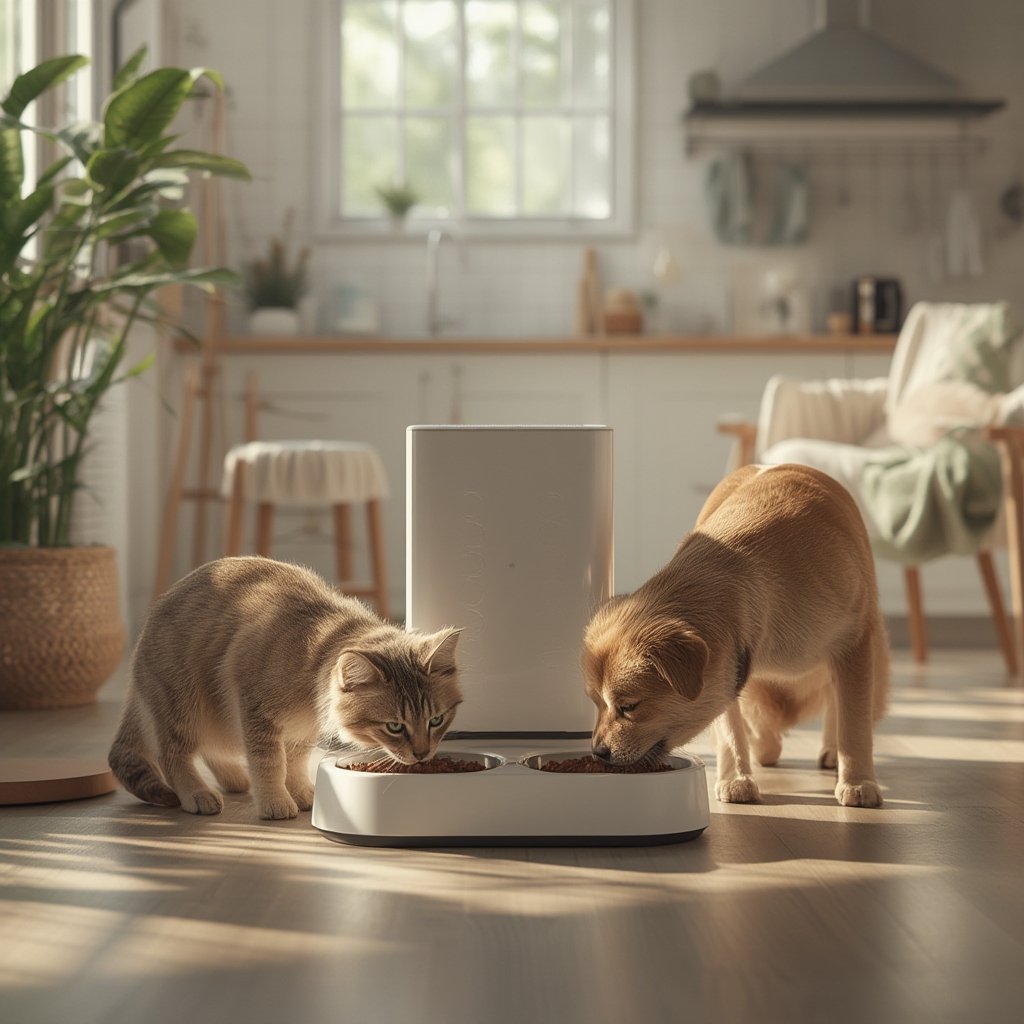
Yes, but pick a model with appropriate portion control and a food reservoir big enough for your pets’ size and appetite. Some models allow multi-pet programming; check compatibility in the product specs.
How often should I clean or service a smart pet feeder?
Clean all food containers, chutes, and bowls weekly to prevent jams and bacteria buildup. Review your device’s manual for best practices, especially if serving wet or oily food.