### Blog Post:Composting system adoption is surging as more homeowners demand sustainable, waste-reducing solutions that actually work in real-world backyards. The honest truth: picking, running, and troubleshooting a composting system is more complex than most beginner guides admit—but with clear, direct steps you can turn everyday kitchen and yard waste into nutrient-rich soil, avoid the biggest pitfalls (odor, pests, slow results), and get lasting value from your effort and investment.
Key Takeaways
Backyard composting setups vary widely by type and complexity, so the best option depends on your space, time, and goals.
Odor, pests, and slow decomposition are the main challenges homeowners face—but these can be managed with practical setup and maintenance strategies.
Market data shows steady growth, especially in tumbling and smart composters, reflecting rising consumer focus on eco-friendly practices and zero-waste living.
What Is a Composting System and Why Should You Use One?
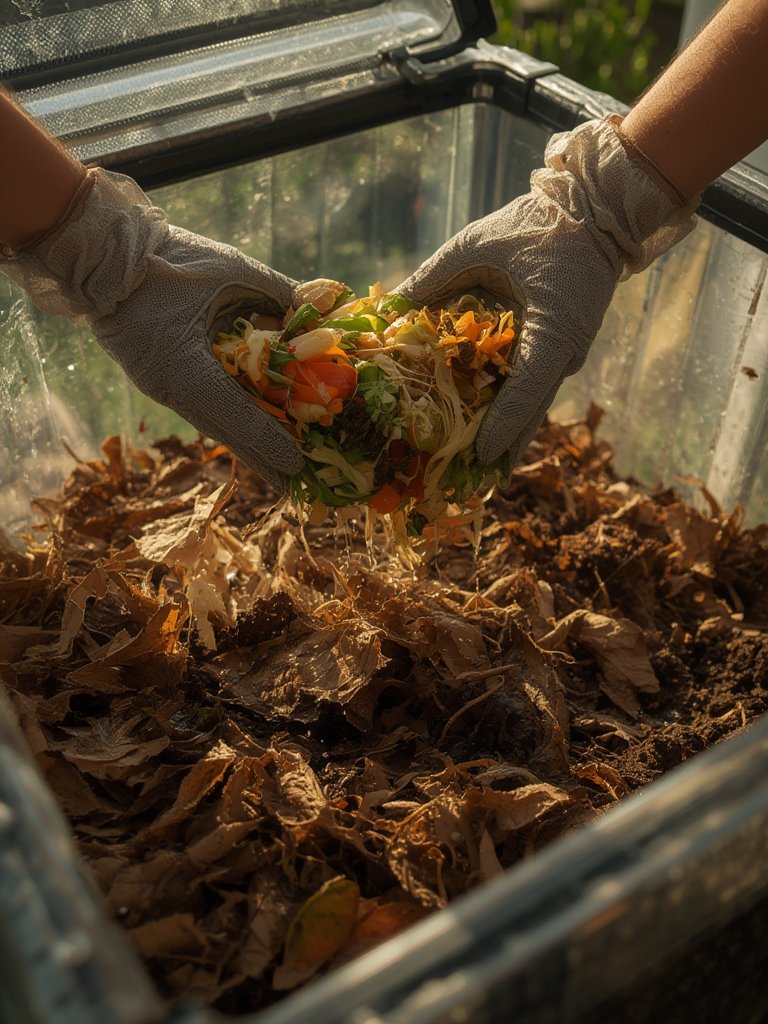
A composting system is a setup—stationary bin, tumbler, worm bin, or hot bin—that lets you manage organic waste and speed up the natural decomposition process. The goal: convert kitchen scraps, lawn clippings, and garden trimmings into rich, usable compost without sending those materials to landfills.Modern home composters cater to every size of yard and household, with a global market projected to reach US$1.9 billion by 2030, led by advances in odor reduction, efficient tumbling mechanisms, and worm bin designs. These eco-friendly solutions are especially valuable if you want to:
Dramatically reduce landfill waste (and cut related greenhouse gas emissions)
Produce your own high-quality, organic fertilizer for gardens and lawns
Reclaim value from food scraps and yard debris you already generate
Whether you’re retrofitting a classic backyard garden, starting fresh with a native plant lawn, or need to control waste in a compact urban lot, choosing the right composting system means matching your habits, climate, and available space to the correct design.
How to Set Up the Right Composting System: Step-by-Step
Assess Your Needs & Space:
Consider your waste volume (kitchen scraps, grass clippings, leaves)
Decide where your home composter will be located—sunny spot, shaded corner, balcony, or garage
Factor in time commitment: Tumbling Composter for speed and convenience, worm bins for high-quality output, stationary bins for low-maintenance
Choose the Composting System Type:
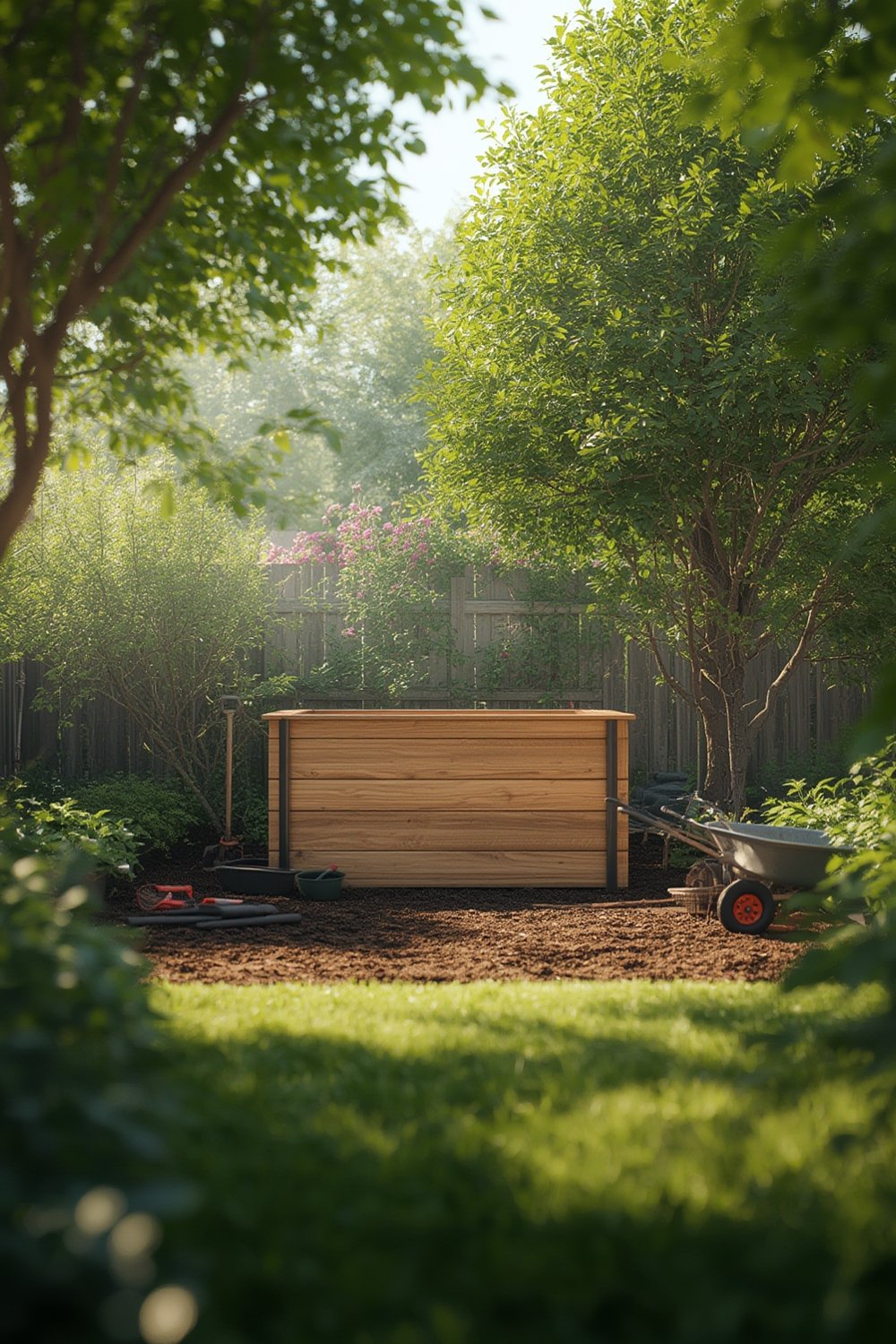
Backyard/Stationary Bin: Best for gardens, easy to set-and-forget, handles regular yard and kitchen waste. Simple but slower, low cost.
Tumbling Composter: Enclosed, easy mixing, faster results, good for most small to medium backyards. Costs more but handles odors and pests well.
Worm Bin (Vermicompost): Perfect for apartments or year-round indoor use. Outstanding for kitchen scraps, produces nutrient-dense compost, but requires some worm care knowledge.
Hot Compost Bin: Accelerates decomposition through insulation and air flow—ideal for larger volumes if you want compost within a few weeks. Needs more frequent monitoring.
Set Up and Start Composting:
Assemble your composter according to manufacturer instructions. Ensure base is level and drainage is adequate.
Maintain moisture (should feel like a wrung-out sponge) and turn or mix per type—weekly for tumblers, less for stationary bins, no turning for worm bins.
Monitor for odors—add dry matter if it smells sour or rotten. Keep pests out by avoiding meat/dairy and using tight-fitting lids when possible.
Harvest finished compost in 2-12 months depending on the bin type.
💡 Pro Tip: If you want the fastest results, go for a well-ventilated tumbling composter in a sunny spot—it accelerates heat and aerobic activity for quicker breakdown and better odor control.
🔥 Hacks & Tricks: Sprinkle a cup of finished compost or topsoil into each new batch to seed the bin with beneficial microbes and speed up the process—especially helpful for new setups or after long periods of inactivity.
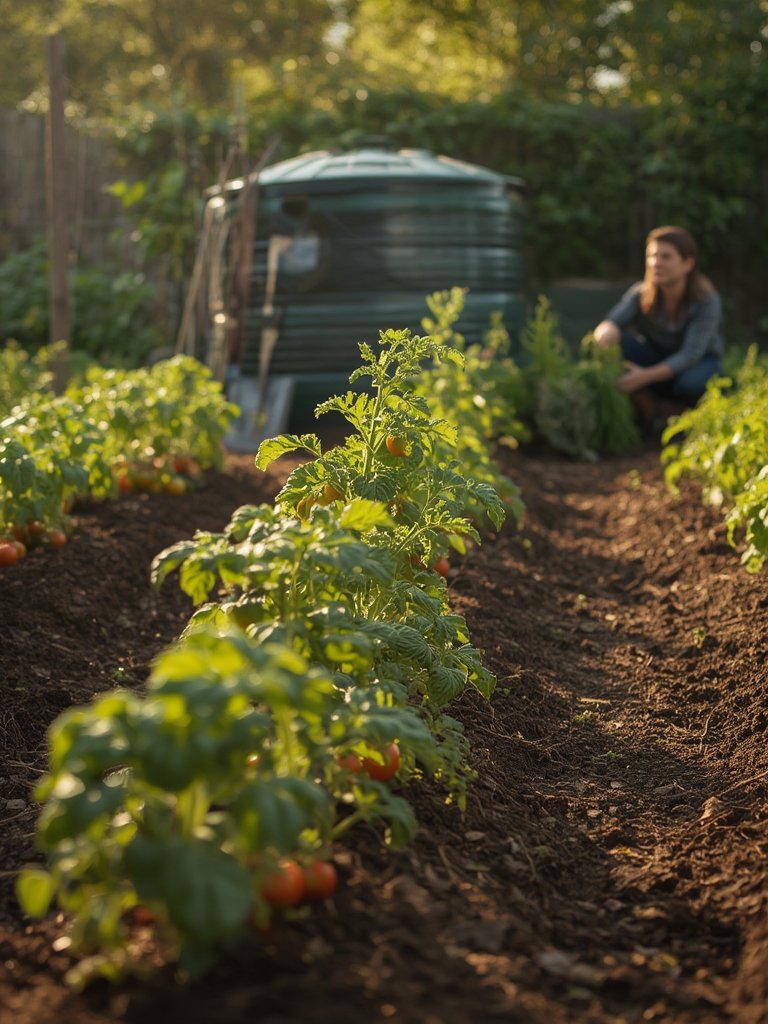
Remember to integrate your home composter with eco-friendly yard choices. Compost from your bin is perfect for amending soil in a meadowscaping project or establishing a pollinator garden (bee garden design), closing the sustainable loop right at home. Consider using compost to enrich a Pennsylvania sedge lawn or any organic lawn care strategy for a greener, chemical-free yard.
Advanced Analysis & Common Pitfalls (with Comparison Table)
Most composting systems sound easy on paper, but real-world users hit a few common roadblocks:
Odor: Often results from incorrect ratios of greens/browns or too much moisture. Solution: balance materials and aerate as needed.
Pests: Rodents and flies are attracted if you add inappropriate materials (meats, oils) or skip secure lids. Solution: stick to fruit/veg scraps and always cover additions.
Slow Decomposition: Piles left unmixed, compacted, or too dry will stall. Solution: regular turning for aerobic types, periodic moisture checks.
Cost and Longevity: Initial price and ongoing maintenance vary. Durability depends heavily on bin material (plastic vs. metal), climate, and use intensity.
Tech & IoT Integration: Few buyers know that smart monitoring (moisture, temp sensors) is emerging for home composting.
Urban & Compact Options: Small-space/smell-minimizing solutions often receive shallow treatment, but space-saving worm bins or vertical garden composters are rapidly growing.
Hidden Costs: Upfront price is obvious, but maintenance (occasional repairs, worm replacement, add-on parts) and lifespan are less discussed. According to recent reports, high capital and repair expenses are a real barrier for many.
Composting does deliver environmental gains—you reduce waste sent to landfill and greenhouse gas emissions, though quantifying your exact household impact typically requires weighing your diverted scraps (and tracking reductions in landfill methane for advanced users). For a broader sustainability approach, tie your organic waste setup into water-saving methods like a smart irrigation system or upgrade your landscape to a Hot compost bins (stormwater garden).
Conclusion
The right composting system streamlines organic waste management, supports healthy soil, and keeps usable resources out of the landfill. With a realistic understanding of common challenges (odor, pests, costs), you can select a bin setup that fits your home and habits, maintain it efficiently, and actually enjoy the rewards—from greener lawns to better yields in garden beds. Not sure where to begin? Start simple, stay consistent, and upgrade as you see results.Take the next step: Choose your home composter, start your first batch, and turn kitchen and yard waste into real value in your own backyard.
Frequently Asked Questions
What is the fastest home composting setup for kitchen and yard waste?Hot compost bins and high-quality tumbling composters break down materials the quickest—often producing usable compost in as little as 2-8 weeks if you maintain ideal moisture, aeration, and a balanced mix of greens and browns.Do composting bins attract rodents or pests?If you add meat, dairy, or oily scraps, or let things get too wet or anaerobic, pests like rats or flies may appear. Choose sealed bins/tumblers and stick to fruit, vegetables, and yard waste to minimize issues.How much does a typical home composter cost and how long does it last?Basic stationary bins start around $50-$150 and can last 5-10 years. Tumblers usually cost $100-$300 and last 5-8 years. Worm bins range from $70-$200, while insulated hot bins or large-volume options can cost $200-$600+ but may last over a decade with proper care.Is composting practical for urban or small-space homeowners?Yes. Worm bins and compact tumblers are ideal for small spaces, including apartments, patios, and garages. They’re designed to be odor-resistant and manageable even if you only generate kitchen scraps.How do I know when my compost is ready to use?Finished compost is dark, crumbly, and earthy-smelling. Most of its original contents should be unrecognizable. If in doubt, let it cure for another couple of weeks before adding to garden beds or lawns.