

Pet cooling mat technology has come a long way, and if you’ve ever watched your dog pant through a summer afternoon with nowhere cool to lie down, you already know why so many pet owners are making the switch. With heatwaves getting more intense each year, more people are reaching for cooling mats and vests to protect their animals from heat stress and overheating. This guide cuts through the noise — what actually works, what to skip, and what’s new in 2024, so your pet stays comfortable all summer long.
Key Takeaways
- The global pet cooling mat market is booming, with gel-based models leading due to cooling consistency and ease of use.
- Common issues include short cooling duration and risk of leaks, so choosing quality materials matters.
- Innovations in 2024 focus on phase change materials, eco-friendly gels, and longer-lasting cooling technologies.
- What Is a Pet Cooling Mat and Why Use One?
- How to Select and Use a Pet Cooling Mat: Step-by-Step
- Advanced Analysis: Pitfalls, Complaints, and What Top Reviews Miss
- Conclusion
- FAQ
What Is a Pet Cooling Mat and Why Use One?
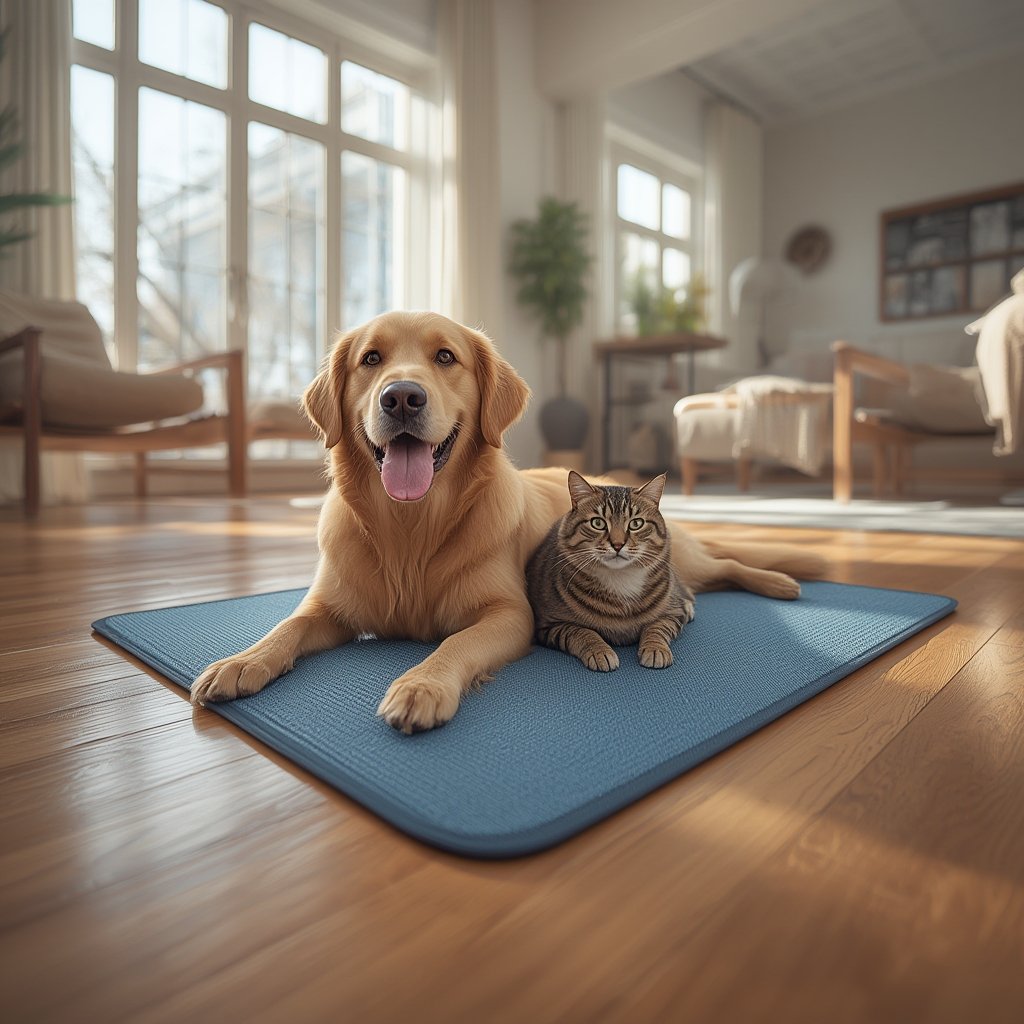
A pet cooling mat is a pad designed to bring your dog or cat’s body temperature down when the heat gets to be too much. Depending on the model, they use gel, phase change material (PCM), or evaporative cooling — all working on the same basic principle of absorbing your pet’s body heat. When the usual options aren’t cutting it and heat stress becomes a real risk — think excessive panting, lethargy, or a dog glued to the cold tiles — a pet cooling mat gives your animal direct, immediate relief regardless of size.
The numbers say it all — in 2024, the market for dog cooling mats reached USD 30.6 billion globally. Gel-based mats hold a 45%–60% revenue share thanks to how reliable and easy to use they are. North America leads the market, but Asia-Pacific is growing the fastest.
And it’s not just for scorching summer days either. Pet cooling mats get used at dog shows, after walks, on long car trips, and even as a calming surface for anxious pets. They’re especially useful for flat-nosed breeds like bulldogs, older dogs, and long-haired cats that have a harder time staying cool on their own.
How to Select and Use a Pet Cooling Mat: Step-by-Step
- Assess Your Pet’s Needs
Start with the basics — breed, weight, and how well your pet handles heat. Flat-faced dogs, seniors, and thick-coated pets get the most out of a pet cooling mat. Pay attention after walks or play sessions: if your pet is panting hard, hunting for shade, or pressing against cool floors, that’s your sign they need one. - Compare Cooling Technologies
You’ve got three main options: gel-based, PCM (phase change material), and water or evaporative mats. Gel mats are the most popular pick — simple, portable, and no setup required. PCM mats cool for longer but usually cost more. Water mats need regular refilling, which makes them less practical for everyday indoor use. - Check Material Quality
This is where a lot of people get burned by cheap options. Look for puncture-resistant, non-toxic, hypoallergenic materials. Budget mats can leak gel or fall apart quickly — a real problem if your pet is a chewer. Brands like K&H and Green Pet have built solid reputations for durability and better gel formulas. - Measure for Fit
Your pet should be able to lie flat on the mat without hanging off the edges. Too small and it won’t cool effectively; too large and you’re wasting cooling capacity. When in doubt, size up. - Place the Mat Smartly
Keep the pet cooling mat in a shaded spot away from direct sunlight — sun exposure heats it up fast and defeats the purpose. If you’re using it in a crate or car, test it first to make sure your pet won’t slide around on it. - Monitor and Rotate
Most mats cool effectively for a couple of hours per session. After that, give it a break to recharge before the next use. Wipe it down regularly with a damp cloth and mild soap to keep it fresh.
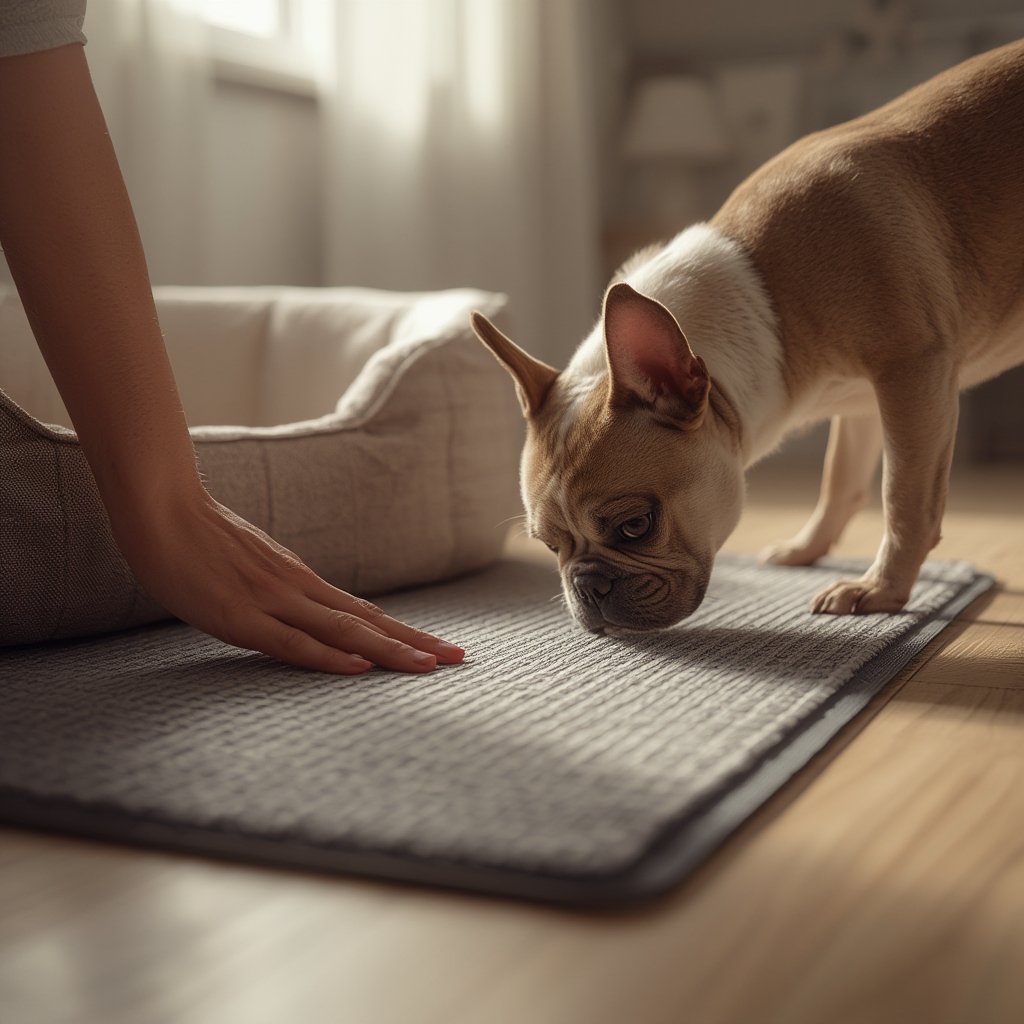
If your pet is nervous about stepping onto something new, don’t rush it. Put some treats on the mat, toss a favorite toy nearby, or try a calming collar to take the edge off. Let them sniff it and approach at their own pace — forcing it usually backfires. For pets that tend to run hot or get anxious easily, pairing a cooling mat with pet dental chews or a probiotic pet supplement covers more of their wellness bases at once.
Advanced Analysis: Pitfalls, Complaints, and What Top Reviews Miss
Most articles about pet cooling mats stick to the positives. But if you’ve read through real owner reviews, you know there are some consistent frustrations that don’t get enough attention. Here’s what to actually watch out for.
User Complaints & Durability Pain Points
- Gel Leakage: Pets who chew, scratch, or bite may puncture the mat, risking leaks. Always supervise and check for damage, especially with young or anxious dogs.
- Short Cooling Duration: Many mats only provide 1–3 hours of relief before needing to “recharge” (rest) off use. For prolonged heat, consider rotating multiple mats.
- Cleaning Hassles: Poorly sealed mats may absorb odors or stain easily. Opt for waterproof, wipe-clean surfaces.
Missing Metrics: Temperature & Heat Relief
Here’s something most brands won’t tell you — almost none of them give specific temperature drop numbers. Industry reports describe gel-based mats as offering “superior and more consistent cooling” and PCM mats as having “long-lasting effects,” but actual figures are rarely published. From what real owners report, most mats feel roughly 5–10 degrees cooler than the room temperature around them.
Brand Quality Comparison
| Brand | Material | Cooling Technology | Known Issues | Estimated Durability |
|---|---|---|---|---|
| K&H | Ripstop Nylon, Eco Gel | Gel (2024 Cool Bed III) | Occasional gel shifting | 12–24 months |
| Green Pet Shop | Non-toxic PVC, Gel | Gel, Foldable Design | Puncture risk for heavy chewers | 9–18 months |
| Arf Pets | PVC, Pharmaceutical Gel | Gel with PCM elements | Stiff after cold storage | 12 months |
Veterinary and Health Claims—What’s Real?
Vet clinics and boarding kennels do use pet cooling mats for high-risk dogs — but there are no published clinical studies or formal veterinary endorsements out there yet. Most of what we know comes from owner experience. What seems clear is that cooling mats help reduce panting and lower the risk of heatstroke, but they’re not a substitute for fresh water and keeping your pet out of extreme heat. If your dog is showing serious signs of overheating, skip the mat and get to a vet.
Latest Innovations for 2024
- Smart Mats: Embedded temperature sensors and mobile app alerts.
- Phase Change Materials (PCM): Provide longer heat absorption and slow temperature rebound.
- Eco & Hypoallergenic Gels: New formulas reduce chemical odor and allergen risk.
- Portable, Foldable Mats: For travel and crate compatibility.
For more details on new tech and the Cool Bed III launch, see this industry report and the latest research on foldable mats.
While you’re building out your pet’s comfort routine, a lick mat for stress relief pairs really well with a cooling mat on hot days. And for cat owners, switching to an eco-friendly tofu cat litter is another easy win for a healthier home setup.
Conclusion
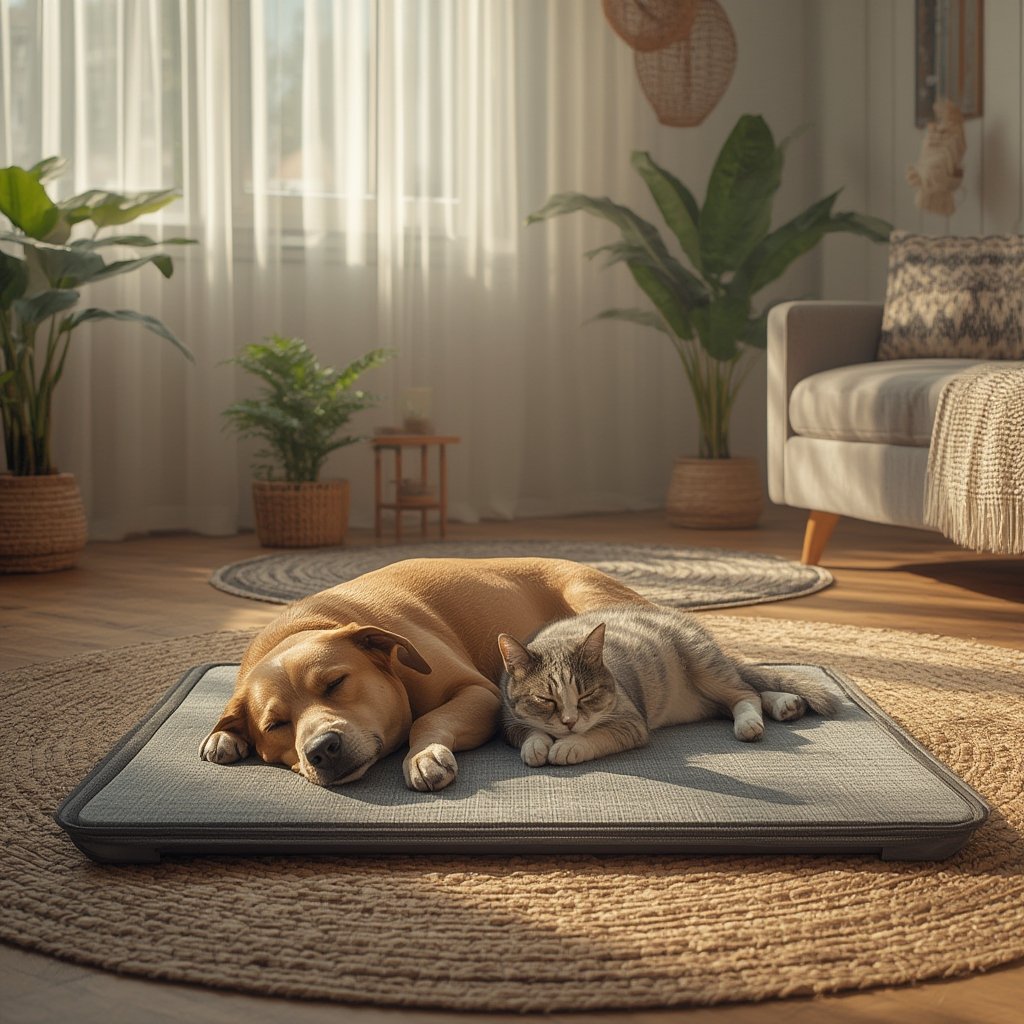
A pet cooling mat is one of the simplest, most effective things you can do for your pet when the temperature climbs. That said, not all mats are built the same — material quality, cooling technology, and durability vary a lot between brands. Supervise your pet with any new mat, clean it regularly, and swap it out at the first sign of wear or leaking. Get the right one for your pet’s size and habits, and summer stops being something to stress about for both of you.
FAQ
Do pet cooling mats work for both dogs and cats?
Yes. Pet cooling mats work for dogs, cats, and even small mammals. Choose the right size and supervise cats who may be more sensitive to texture or temperature changes.
How long does a pet cooling mat stay cool?
Most gel-based cooling mats provide effective cooling for 1–3 hours per session. They recharge automatically after your pet gets off. PCM mats can last longer but cost more.
Can a pet cooling mat be used outdoors?
Yes, but avoid direct sunlight, which heats the mat quickly. Place it in a shaded area and always ensure your pet has access to water and a cool spot indoors if needed.
Are pet cooling mats safe if punctured or chewed?
If your pet chews the mat and it leaks, remove it immediately. Most quality mats use non-toxic gel, but ingestion can cause stomach upset. Monitor pets who chew or dig at bedding and replace mats with any signs of damage.
What’s the best way to clean a pet cooling mat?
Wipe with a damp cloth and mild soap after use. Avoid submerging gel-based mats. Let them dry completely before reuse for best performance and hygiene.