

Lick mat pet products have exploded in popularity as enrichment tools for dogs and cats, often promoted as instant stress relievers or pet-calming miracles. But are lick mats really backed by science, or are you risking safety and disappointment? This guide cuts through the hype, revealing what owners must know to use lick mats effectively—without falling into costly or risky traps.
Key Takeaways
- No clinical studies confirm lick mats reduce true anxiety; they provide distraction, not guaranteed calm.
- Lick mat pet safety depends on supervision—unsupervised use risks chewing and possible ingestion hazards.
- Choose food-grade silicone with a firm texture, non-slip bases, and only use under guidance during stressful events for best results.
- What Is a Lick Mat Pet & Why Use One?
- How To Use a Lick Mat Pet: Step-by-Step
- Advanced Analysis & Common Pitfalls
- Conclusion
- Frequently Asked Questions
What Is a Lick Mat Pet & Why Use One?
A lick mat pet product is a flat, textured feeding pad made from food-grade silicone or rubber, designed for spreading moist treats or food. When pets lick up their food from the grooves, it slows eating and keeps them engaged longer. Most brands claim these mats help reduce anxiety during baths, grooming, or times alone by providing a calming distraction.
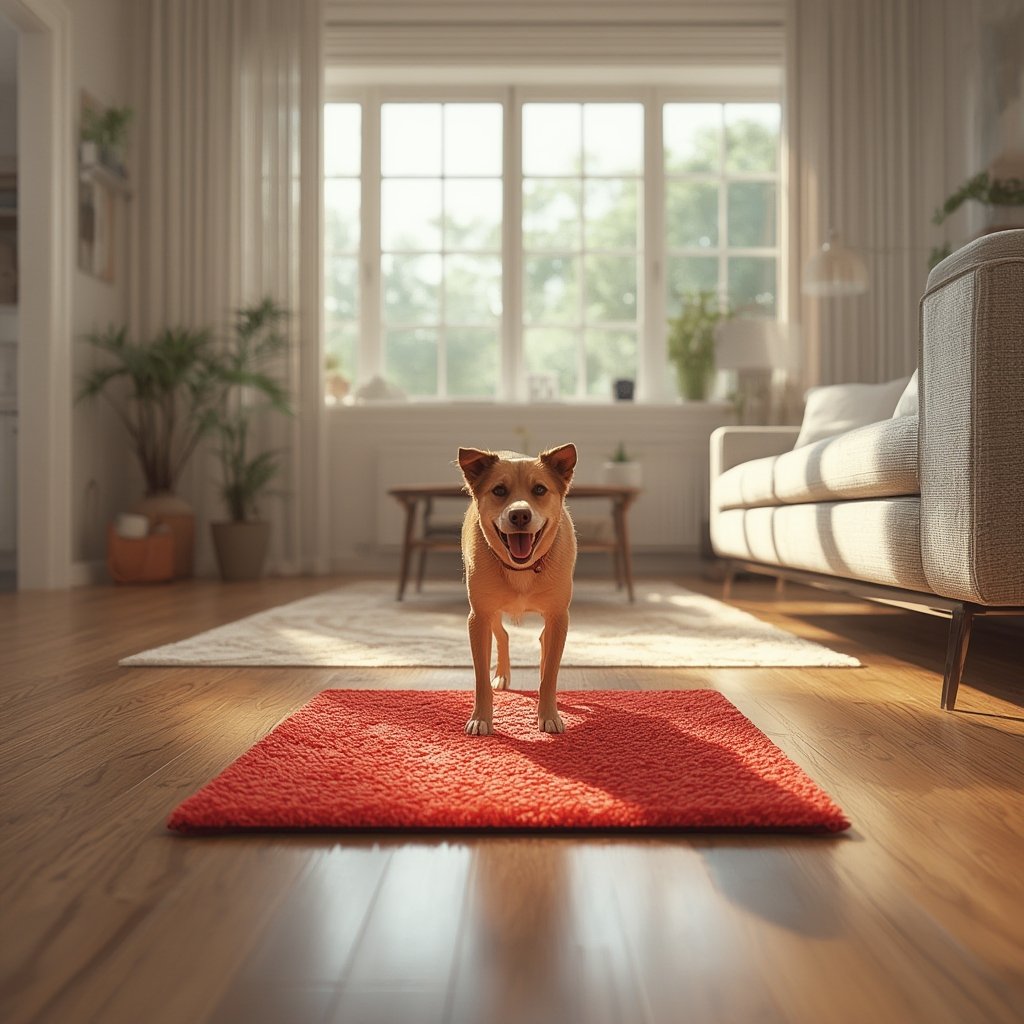
However, recent clinical reviews (2022–2024) have found no scientific proof that lick mats truly reduce pet anxiety by impacting hormones or treating existing anxiety. Instead, expert opinion and veterinary sources agree these mats work by keeping pets busy during known stressors—like thunder, nail trims, or owner leaving—rather than “calming” them at the root. Licking may release small amounts of dopamine, which can feel self-soothing, but that effect is limited and shouldn’t be over-promised (source).
Lick mat pet products are most beneficial for:
- Distracting dogs during bathing, nail trims, or dental checks (AKC).
- Slowing down fast eaters—especially with wet food, yogurt, or natural peanut butter (no xylitol).
- Mentally stimulating bored pets when used as part of a supervised enrichment routine.
- Encouraging cats and dogs to try new foods, especially picky eaters. For more appetite tricks, see our dog food topper guide.
But owners must stay realistic: not all pets are food-motivated, and no mat can “cure” separation anxiety or strong phobias. Always view lick mat pet products as a useful supplement, not a cure-all.
How To Use a Lick Mat Pet: Step-by-Step
To maximize safety and enrichment with a lick mat pet, follow these practical steps:
- Choose the Right Mat: Look for genuine food-grade silicone with a firm texture, not too soft (to avoid chewing risks). Avoid generic knock-offs if safety is a concern.
- Wash Before First Use: Dishwash or scrub with hot, soapy water to remove any residues.
- Select the Best Treats: Use dog-safe spreads like plain Greek yogurt, pure pumpkin, or natural peanut butter (no xylitol). For cats, try wet cat food or tuna purée. Explore further feline tips with our cat calming collar article.
- Spread Evenly: Push food deep into the grooves for longer engagement. Avoid overfilling to prevent mess.
- Supervise Every Time: Never leave pets alone, even those previously trained. Remove the mat once food is gone or if signs of chewing appear.
- Clean Immediately: Rinse or dishwash right away to prevent dried food buildup, which can attract pests.
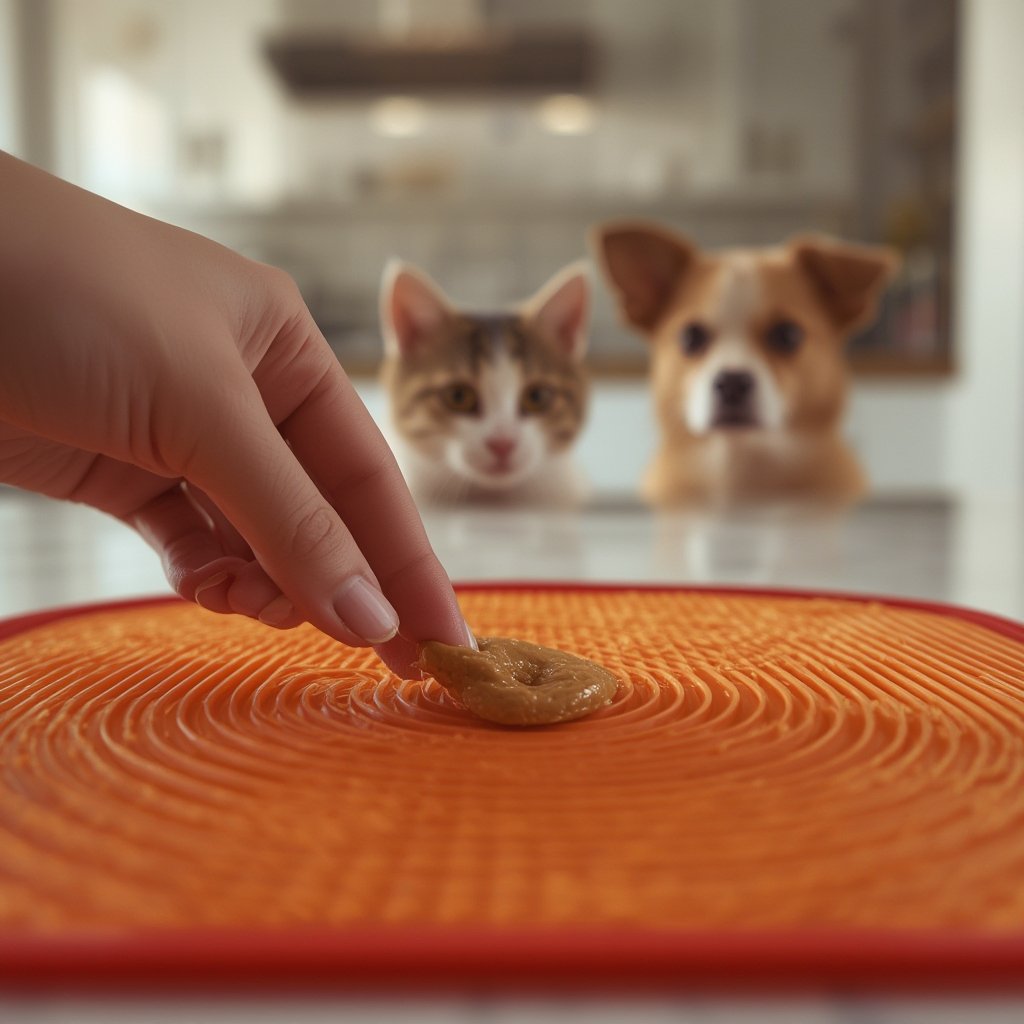
Other actionable pointers:
- Attach mats to tubs or tiles if possible (some have suction cups), preventing sliding during stress events like baths—learn more about anti-slip feeding with our slow feeder bowl guide.
- Rotate mat flavors and spread ingredients to maintain novelty.
- For stubborn chewers, switch to tougher, non-silicone options designed for long-term durability.
- If you want timed feeding or remote use, consider a smart pet feeder for scheduled meals instead.
Advanced Analysis & Common Pitfalls
It’s essential to go beyond the marketing claims surrounding lick mat pet gear. Based on the latest veterinary analysis and verified owner feedback, users most often face these pitfalls:
- Overestimating Calming Effects: No recent study (2022–2024) proves lick mats cause true anxiety reduction via hormonal means or work with all pets. They distract but do not replace genuine anxiety solutions. See the full analysis at Walkerville Vet.
- Chewing & Ingestion Risks: Especially with soft silicone designs, dogs may bite off pieces during frustration or boredom (expert source). Even cats pose a small but real risk.
- Unsupervised Use: Many forums, vets, and expert reviews warn never to leave pets alone with lick mats—even after initial training. Solo use is dangerous and can lead to emergencies.
- Limited Value for Non-Food-Motivated Pets: Not all pets care for food-based enrichment. For these, try different enrichment approaches like raw pet food or cat harness outdoor walks.
- Durability Variations: Firmer, branded mats (like LickiMat®) tend to outlast generic or ultra-soft versions. Extra features (dishwasher safe, textured patterns, non-slip bases) justify higher prices—but always inspect regularly for wear and tear. Learn more about dental-safe materials at pet dental chews.
- No Proven Engagement Timeframe: Contrary to claims, no data confirms average minutes of pet engagement on a lick mat pet product. Owners report “prolonged licking” but durations vary by breed, size, spread used, and pet mood.
Here’s a side-by-side comparison to other enrichment tools:
| Feature | Lick Mat Pet | Slow Feeder Bowl | Interactive Toys |
|---|---|---|---|
| Purpose | Distraction, slow feeding, enrichment | Prolong eating, reduce gulping | Mental stimulation, solo play |
| Average Engagement Time | Not quantified (varies widely) | 10–20 minutes typical | Up to 30+ minutes if novel |
| Anxiety Reduction Evidence | No direct evidence | No, but reduces meal stress | Limited, depends on toy type |
| Supervision Needed | Always | Recommended for chewers | Varies |
Essential specs to examine when shopping for a lick mat pet product:
- Material: Food-grade silicone is safest, but softer cakes can be chewed more easily.
- Certifications: Reputable brands may advertise FDA-compliant or LFGB silicone—ask if not listed.
- Dishwasher Safe: Most mats are top-rack dishwasher safe, but hot soapy water suffices.
- Non-Slip Base: Some mats include suction cups or rubber grips for extra stability.
- Texture Patterns: Complex designs extend licking time and challenge your pet; variety prevents boredom.
Looking for extra stress relief for your cat? See how a cat harness can transform feline outdoor safety, or pair your lick mat pet routine with tofu cat litter for a cleaner, low-stress litter box.
Conclusion
Lick mat pet products fill a real enrichment need for many dogs and cats, especially when used during events like baths or grooming. However, there’s no clinical evidence for true anxiety relief—use them for supervised distraction, not as a replacement for proven anxiety solutions.
Prioritize food-grade silicone, stick to supervised use, and adapt treats for your pet’s preference. With the right steps, a lick mat pet tool adds enrichment and slows feeding—but only when used with safety and realistic expectations. Ready to give a lick mat pet product a try? Choose a high-quality model, freeze your spread, supervise every session, and see if it fits your enrichment toolkit.
Frequently Asked Questions
Can lick mat pet products actually calm my dog or cat?
They help distract pets during stressful events, but no clinical studies show lick mats directly reduce anxiety. The main benefit is keeping your pet busy and engaged.
Is it safe to leave my pet alone with a lick mat?
No. Even experienced pets can chew or swallow pieces, especially soft silicone models. Always supervise use and remove the mat when finished.
What are the best foods to use with a lick mat pet?
Try plain Greek yogurt, unsweetened pumpkin, peanut butter (no xylitol), or canned pet food. For cats, pureed fish or wet food works well.
How do I clean a silicone lick mat pet product?
Rinse immediately after use, then wash with hot, soapy water or place on the top rack of the dishwasher (if labeled dishwasher safe).
Are lick mats good for pets with pre-existing anxiety?
No. They may distract during brief stress events, but they do not treat underlying anxiety. Consult your veterinarian for persistent anxiety issues.