

### Blog Post:
Raised garden bed kit sales are booming as more gardeners seek easy ways to improve accessibility, boost yields, and transform small yards or patios. Whether creating fresh food gardens or simply controlling weeds, these kits let you shape your growing space with speed and flexibility. But the details—materials, ergonomics, assembly, and price—can make or break your experience. Here’s a complete breakdown with the latest market statistics and practical advice.
Key Takeaways
- wood dominates sales, but metal kits are gaining ground with superior durability.
- Accessibility is a top benefit: 47-56% of users prefer kits for the ergonomic no-bend design, but price and assembly challenges can catch first-timers off guard.
- Retail prices in 2024 range widely from $34 to $252 based on size and material; kits with innovative features or eco-friendly designs are seeing the strongest growth.
- What Is a Raised Garden Bed Kit & Why Choose One?
- How to Select & Install a Raised Garden Bed Kit: Step-by-Step
- Advanced Analysis & Common Pitfalls
- Conclusion
- FAQ
What Is a Raised Garden Bed Kit & Why Choose One?
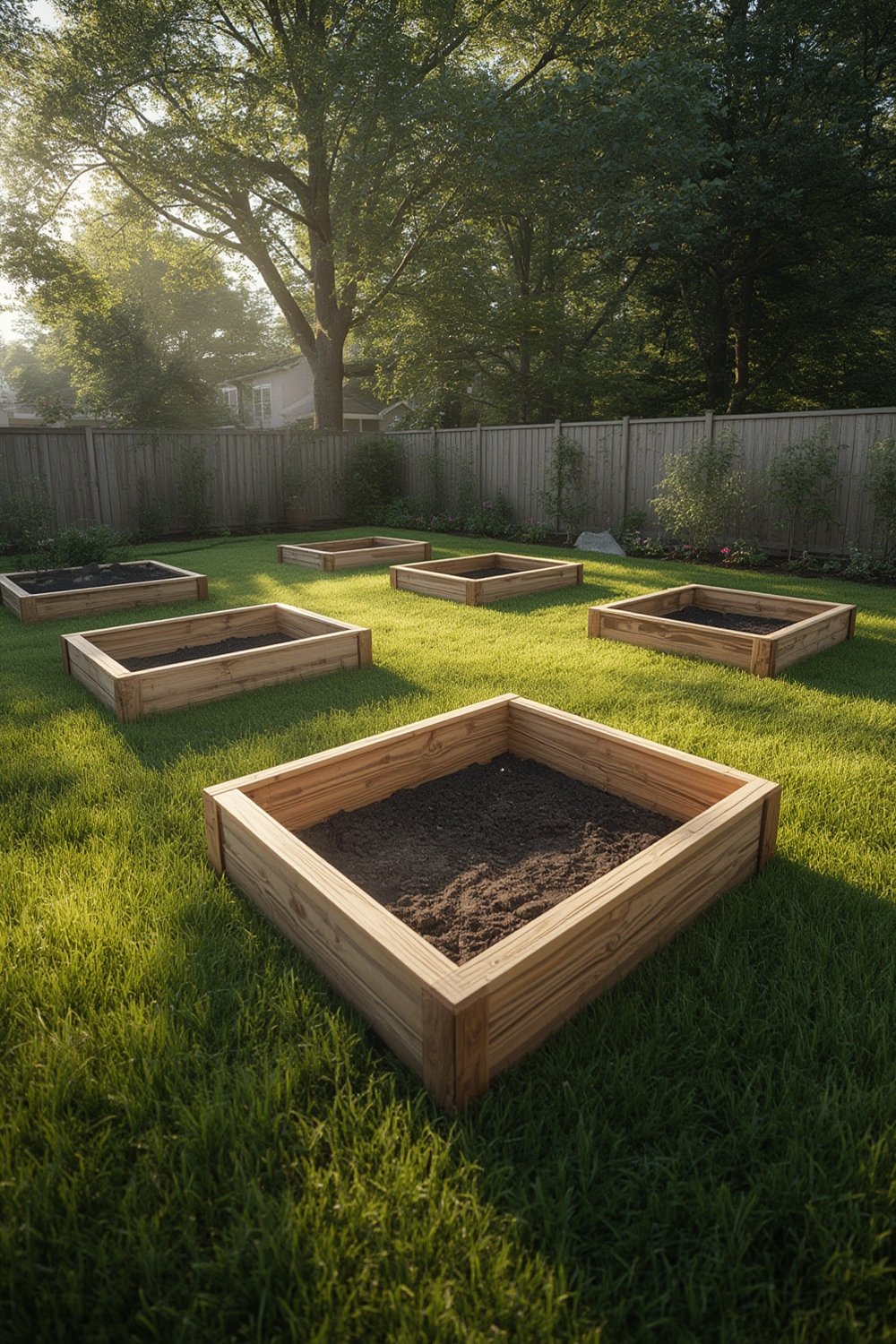
A raised garden bed kit is a packaged set of pre-cut materials (typically wood, metal, or plastic) and connectors designed for easy, DIY assembly into freestanding plant beds above ground level. Their popularity is surging—in 2024, the market reached values near $472 million, with strong double-digit growth expected through 2033, especially as urban and small-space gardening soar.
Raised beds provide clear benefits:
- Ergonomic gardening: Elevated designs minimize bending and back strain—explaining why 56% of US home gardeners prefer raised beds.
- Superior soil control: Let you build perfect soil blends, reduce compaction, and improve drainage.
- Urban flexibility & neat borders: Fit on patios, balconies, or lawns with minimal prep.
- Pest & weed management: Height helps deter some pests and keeps out invasive roots.
Globally, 46% of purchases are now for prefabricated or modular DIY kits, as they save time versus building from scratch and offer reliably tight, square edges for neat, productive beds. Wooden kits hold 52% of the market, but metal models’ share has soared by 18% since 2022 for their reputation of 20+ year durability.
Learn more about urban garden transformations in our meadowscaping and vertical garden system guides.
How to Select & Install a Raised Garden Bed Kit: Step-by-Step
Choosing the right raised garden bed kit—and installing it with minimal fuss—involves these steps:
-
Pick Your Material
- Wood (Cedar/Pine): Natural, classic look; 52% of beds sold. May require replacement every 5-10 years, especially if untreated.
- Metal (Galvanized Steel): Resistant to rot, pests, and warping; can last 20+ years. Typically higher-priced but lower maintenance.
- Look for eco-certified or recycled options if sustainability is a priority—33% of beds sold have some eco-friendly claim in 2024 (see latest market report).
-
Choose the Size & Height
- Popular heights range from 12″ to 24″. For true no-bend gardening, look for kits at least 24″ high, or select tabletop/elevated planter boxes.
- Length and width depend on space—a 3×6 foot bed fits most patios, while modular kits let you expand as needed.
-
Purchase Within Your Budget
- 2024 price ranges: $34 for small 3x3ft wood, $60-$250 for large/metal or multi-tier kits. Prefabricated “no tools required” models may cost more but save headaches.
- Top sellers include brands like Yaheetech (budget cedar), Birdies (metal anti-rust), and Infinite Cedar (deep-root beds).
- Cost often scales with thickness of panels and inclusion of innovative features—self-watering, solar irrigation, or modular add-ons.
-
Location & Preparation
- Pick a sunny, level spot. Raised beds shine in poor, rocky, or clay-heavy ground, or even on paved surfaces.
- Optional: Add a weed-barrier fabric or layer of cardboard at the base before assembly.
-
Assembly & Filling
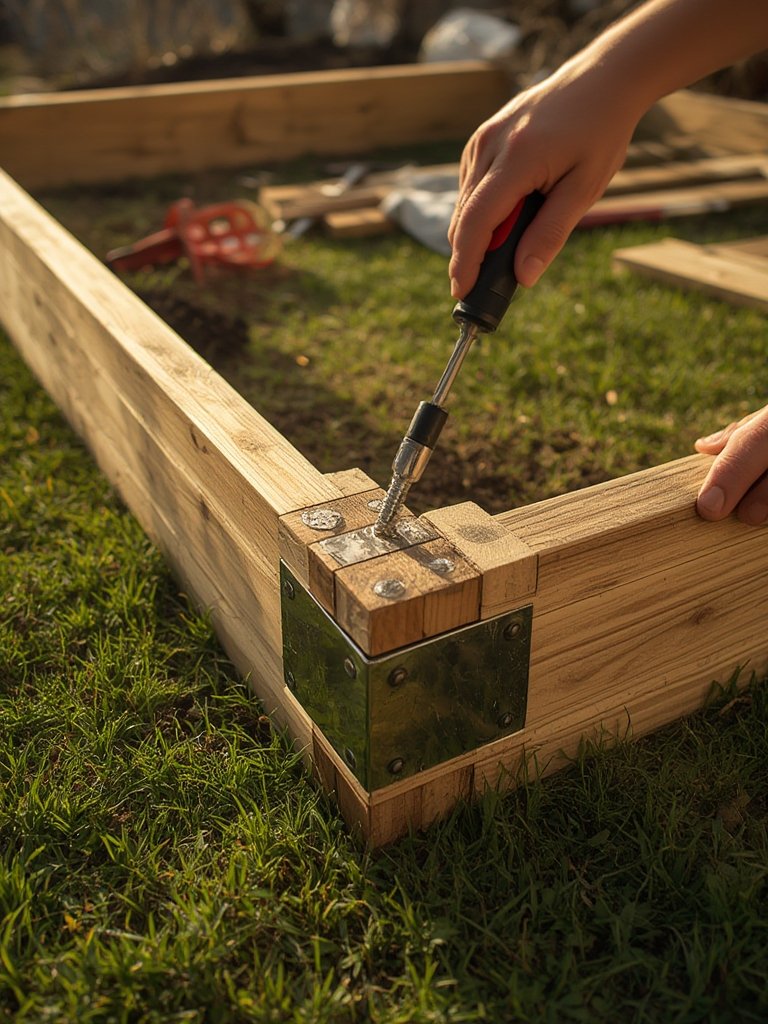
- Read instructions fully—some kits need only a screwdriver, others require bolts or brackets. Assembly rarely takes over an hour.
- Fill with a blend of compost, topsoil, and aerators (e.g., perlite); avoid cheap “garden soil” bags if possible for better results. Raised beds offer exceptional results for drought tolerant landscaping and native lawns due to improved soil structure.
- Modular DIY systems allow for expansion as your skills or gardening ambitions grow. You can start with a single section and add more at any time. This is especially effective for edible landscaping or creating a small pollinator garden on a budget.
Advanced Analysis & Common Pitfalls
Raised garden bed kits solve many problems, yet choosing poorly—or skipping key steps—leads to frustration or hidden costs. Here’s what the data and user patterns reveal:
- Lack of Height Detail: While 47-56% of users prefer elevated or no-bend beds, many kits hover at 12-16” high, requiring some bending. True no-bend or “hip-high” (24″+) models are rare and considerably more expensive.
- Material Surprise: Wood is the budget king but can rot in 5-10 years (unless cedar); metal resists decay but can heat up quickly in full sun and may need anti-rust coating for long life. No recent studies directly compare plant yields, but anecdotal evidence favors both if soil and drainage are well managed.
See material and sales breakdown. - Assembly Speed Varies: Some users with basic tool skills assemble a Yaheetech or Infinite Cedar bed in under 45 minutes. Modular metal beds often need more fasteners and checking for a level build, especially on sloped ground.
- No Soil Included: Many kits do not include soil and compost—filling a 4×4’x1’ bed can require over half a cubic yard (12-15 standard bags). Factor this into your total project cost.
- Missing Ergonomic Features: While product listings tout “ergonomic” or “accessible”, genuine accessibility for wheelchair users or those with limited strength is rarely quantified.
- Innovations: Emerging product lines feature self-watering (Frame It All SmartBed, with 18% higher retention) and solar irrigation (Gardener’s Supply), but these models cost much more and aren’t widely available yet.
| Feature | Wood (Cedar/Pine) | Metal (Galvanized Steel) |
|---|---|---|
| Market Share (2024) | 52% | 32% |
| Expected Lifespan | 5-10 years (cedar); less for pine/fir | 15-20+ years |
| Soil pH/Yield Impact | Natural, porous, neutral May rot if untreated | No leaching with coated metal May retain more heat in sun |
| Assembly | Easiest, especially cedar | More hardware, leveling required |
| Price | $34-$75 (small – 8×2 ft), $251 (large/high-end) | $70-$252 (size/material dependent) |
| Maintenance | Annual oiling/liner recommended | Little to none |
Raised beds shine for accessibility—44-46% of urban gardeners use them on porches, decks, or balconies for instant soil control and weed reduction. For maximum ecological gains, consider pairing with a rain garden to manage runoff, or use a smart irrigation system to automate watering.
See additional price, size, and material breakdowns in the latest retail report and full 2024 market forecast here.
Conclusion
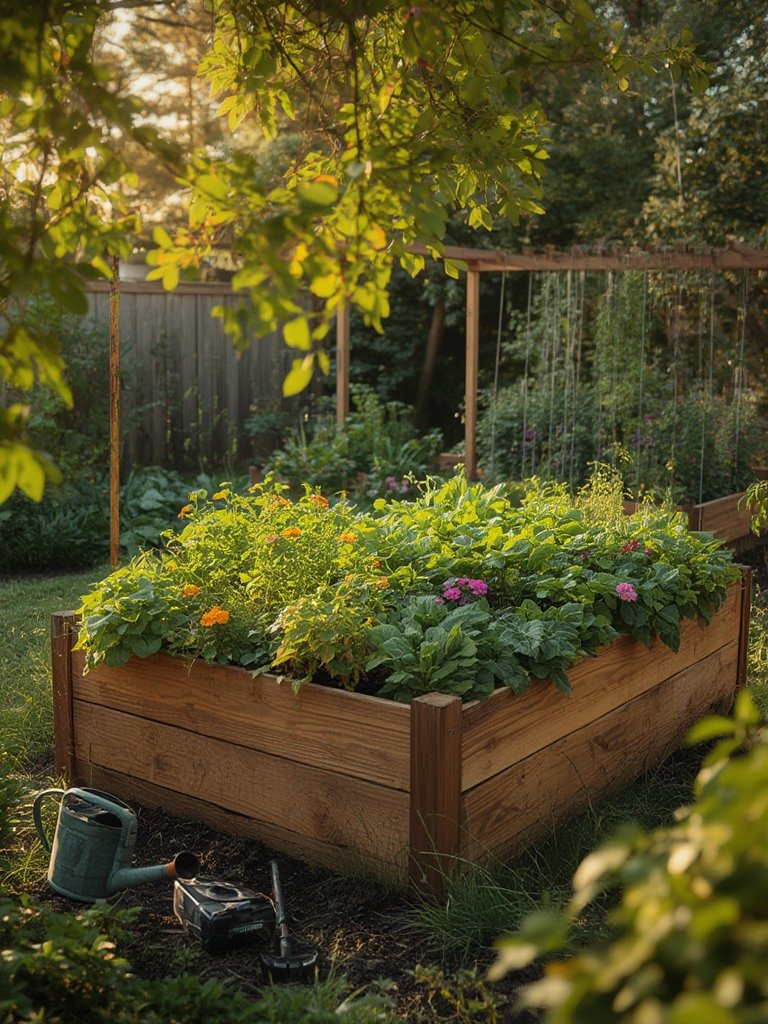
A raised garden bed kit is an accessible, fast route to better soil, bigger harvests, and more comfortable gardening—especially if you choose carefully based on material, price, and desired height. While wood remains the favorite for affordability, metal wins for longevity, and modular kits now offer pro-level features for urban or backyard use. By factoring in your space, ergonomic needs, and willingness to assemble, nearly anyone can enjoy the benefits.
Ready to upgrade your garden? Compare options, measure your space, and invest in a raised garden bed kit that matches your needs—it’s one of the most effective improvements you can make to any landscape or patio. Start today and join millions of others enjoying healthier, easier harvests.
FAQ
How long does a typical raised garden bed kit last?
Cedar or treated wood kits generally last 5-10 years. Metal (galvanized steel) kits can exceed 20 years if well made and properly installed. Pine or fir wood beds may rot more quickly without protective liners or treatments.
Do I need to buy soil separately when I purchase a kit?
Almost always, yes. Most raised garden bed kits include only the panels, screws, and supports—you’ll need to budget for soil and compost, which can be a significant add-on cost.
Are raised garden bed kits suitable for renters or small spaces?
Absolutely. Many kits are lightweight and fully freestanding, requiring no digging or anchors. Look for modular models that can be disassembled or moved if needed—perfect for balconies, patios, or small yards.
What is the best height for “no-bend” gardening?
Heights of 24 inches or more are preferred for minimal bending. Tabletop kits or elevated planter boxes are ideal for people with mobility issues but are often smaller and more expensive than standard beds.
Is wood or metal better for my garden bed?
Wood is affordable, easy to handle, and looks natural but may require more maintenance or eventual replacement. Metal offers superior durability and is increasingly popular for low-maintenance, long-term installations. Both can perform equally well if you use high-quality soil and proper drainage.