

Cardboard sheet mulching is changing how homeowners remove lawns without digging or chemicals. If you’re searching for a proven, environmentally friendly way to smother grass and kickstart a new garden bed, this method could be your shortcut. Still, success depends on knowing the science, managing real-world pitfalls, and learning from the research—so read on.
Key Takeaways
- Cardboard sheet mulching enables no-dig lawn removal but requires meticulous setup and patience, with visible dieback starting in 6–8 weeks.
- Most failures are caused by gaps in coverage, inadequate mulch thickness, or using cardboard with tape or glossy coatings.
- Mulching with cardboard improves soil structure over time and is especially favored for eco-friendly lawn-to-native or meadow conversions.
- What is Cardboard Sheet Mulching and Why Use It?
- Step-by-Step Guide: How to Sheet Mulch a Lawn
- Advanced Analysis & Common Pitfalls
- Conclusion
- FAQ
What is Cardboard Sheet Mulching and Why Use It?
Cardboard sheet mulching is a no-dig lawn conversion technique where overlapping sheets of plain cardboard act as a light- and air-blocking barrier. Topped with 4–6 inches of mulch or compost, the cardboard starves grass and weeds of sunlight, slowly killing the turf below while decomposing in place. Unlike plastic, it also feeds your soil as it breaks down, creating favorable conditions for worms and beneficial microbes.
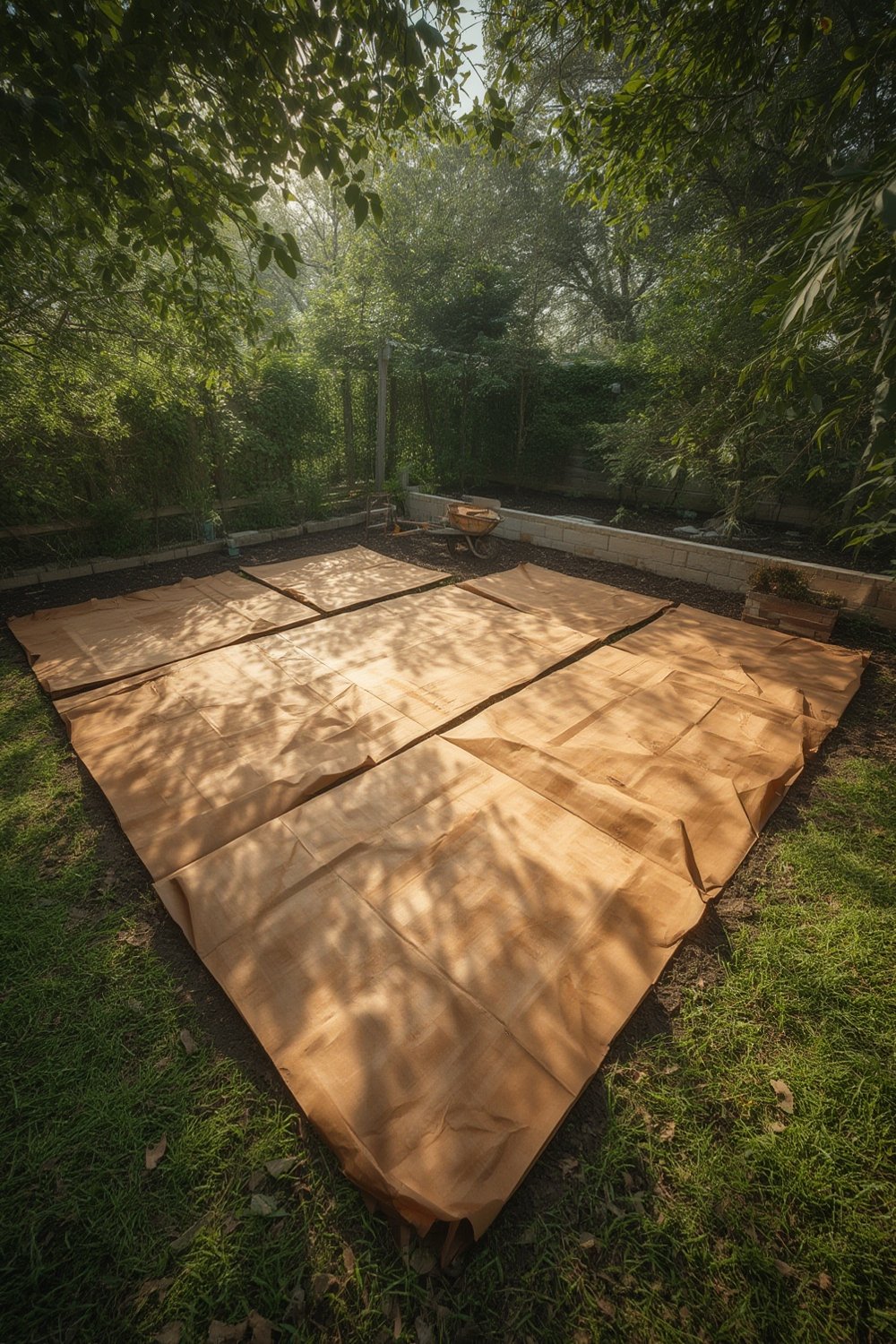
This method scores points for being chemical free and inexpensive. Universities such as UC Davis Arboretum and guides like Water Efficient Gardens recommend it, especially if you want to convert lawns to native, meadow, or pollinator plantings as outlined in our native plant lawn and meadowscaping articles. The lasagna-style layering process also saves you from hauling away sod, avoiding disposal fees and landfill waste.
Step-by-Step Guide: How to Sheet Mulch a Lawn
Converting your grass with cardboard sheet mulching is straightforward if you avoid shortcuts. Here’s a proven process for a standard 500 square foot lawn.
- Mow the grass as short as possible. This thins out existing growth and exposes the soil for best lawn dieback.
- Source plain cardboard. Remove all tape, staples, or glossy/color-printed surfaces. These inhibit decomposition and can trigger local complaints if left visible. Always use plain, brown cardboard; avoid waxed or overly thick industrial material.
- Water the lawn thoroughly. Damp starting soil accelerates the breakdown of both cardboard and turf underneath.
- Lay down cardboard sheets in overlapping layers—at least 6–8 inches of overlap in all directions eliminates gaps. Two layers isn’t overkill if persistent weeds like Bermuda grass are present.
- Saturate the cardboard thoroughly as you place it. Use a hose to thoroughly dampen each layer; skip this, and the sheets may curl or blow away before you finish.
- Add mulch, compost, or soil on top. Apply 4–6 inches evenly over the whole area. Cover the edges first to lock in the cardboard, then fill the center. Bulk arborist wood chips, shredded bark, and municipal compost are popular choices. Expect to use 10–15 cubic yards for 500 sq ft—mostly your project’s expense.
Research from EMSWCD confirms going lighter (<2 inches) nearly always results in weak suppression. - Water again thoroughly. Moisture is key for worms and fungi to work through the cardboard and grass roots.
- Wait at least 6–8 weeks before planting shallow-rooted perennials and groundcovers. Wait 2–6 months or until all cardboard decomposes for trees, shrubs, or deep root crops.
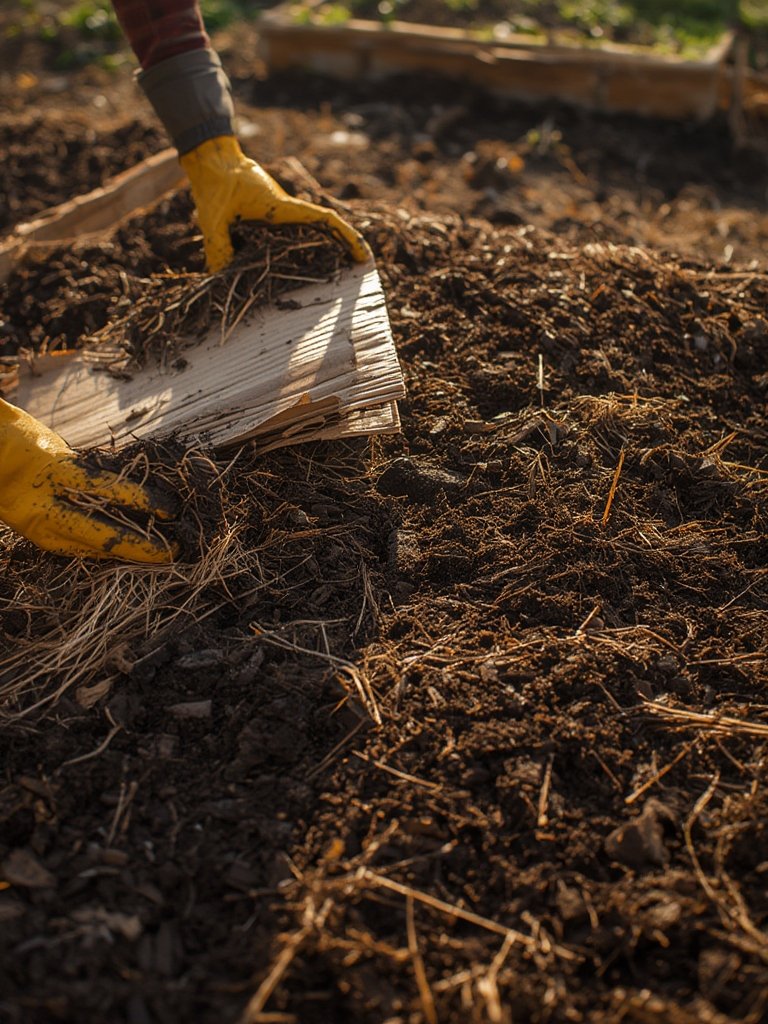
This method fits seamlessly with eco lawn transitions, prairie gardens, and other water-wise approaches featured in our guides on clover lawn and Pennsylvania sedge lawn. Expect visible grass yellowing and weed dieback within a few weeks if steps are faithfully followed.
Cost breakdown at 2024 rates:
- Cardboard: Free if sourced from local retailers. (Bring a utility knife and gloves for safe collection.)
- Mulch/compost: $300–$750 for 500 square feet at 4–6 inches deep, depending on region and source.
- Water: Typically negligible.
- Labor/disposal: No sod hauling means zero landfill fees.
For alternate approaches, see no till gardening where sheet mulching is one of several lasagna-style soil-building tactics.
Advanced Analysis & Common Pitfalls
Most failures aren’t down to bad luck, but to four common pitfalls—thin coverage, poor overlap, wrong cardboard, or insufficient moisture. Research-backed extension guides and user experiences highlight these as critical trouble spots in cardboard sheet mulching:
- Mulch too thin (under 3 inches): lets light in and enables grass regrowth.
- Cardboard gaps or poor overlap: even an inch-wide lane allows aggressive weeds like crabgrass or Bermuda to resprout.
- Leaving tape, staples, or glossy paper: blocks infiltration, leaves unsightly debris, and hinders breakdown. Only plain brown, shipping-grade cardboard works reliably.
- Dry climates: Western states like California or Puget Sound may see more failed suppression and higher shrub mortality if compost/mulch layers don’t retain moisture or get regular irrigation. In these areas, wood chips often outperform cardboard for long-term success.
- Pest attraction: Cardboard layers can temporarily increase slug, snail, or rodent activity. This is rarely discussed but can tip the balance against desired plants, especially if sheet mulch is left idle too long.
- Impatience: Cardboard decomposes; complete lawn death may take 2–6 months, slower than black plastic solarization (4–8 weeks) but more beneficial for the soil.
| Method | Speed | Weed Suppression | Soil Improvement | Waste Output | Best Use |
|---|---|---|---|---|---|
| Cardboard Sheet Mulch | 2–6 months | Good with proper setup | High (adds organic carbon) | None | Eco, no-till lawn conversion, soil-building |
| Black Plastic Solarization | 4–8 weeks | Very strong (in summer) | Poor (kills microbes) | High (plastic waste) | Fastest kill; summer-only |
| Wood Chip Mulch Only | 6–12 months | Best (especially in dry climates) | Medium | None | Large restoration, shrub areas |
Research from WSU Extension and The Garden Professors indicates that sheet mulching with cardboard does not outperform thick wood chips for long-term weed control or for keeping the soil moist in dry climates. However, when paired with adequate mulch and supplemental watering, it can work well for typical northern lawns, especially as a prep step for edible landscaping or organic lawn care projects.
Conclusion
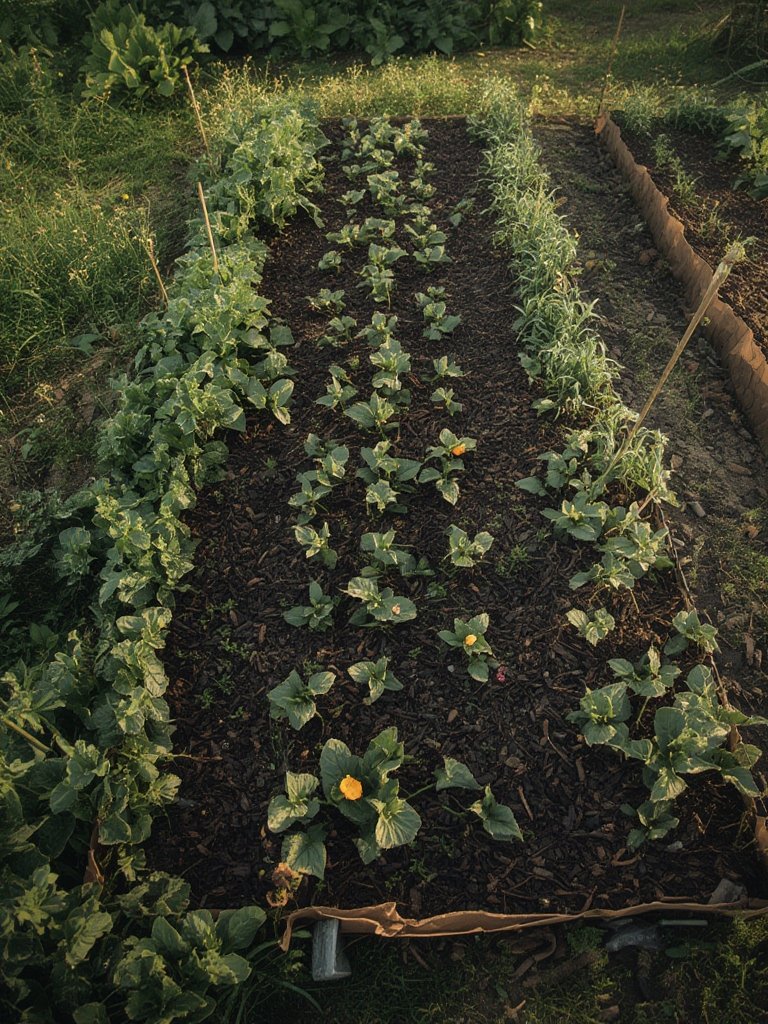
Cardboard sheet mulching offers a realistic, cost-effective, and chemical-free path for removing your lawn while rejuvenating the soil beneath. Its success depends on care with setup: seamless overlaps, plain cardboard, thick mulch, and moisture. It excels for patient gardeners wanting to establish native meadow or pollinator beds as covered in our pollinator garden design guide. If you’re ready to ditch your turf sustainably, cardboard sheet mulching is your friend—start collecting materials, plan strategically, and you’ll be planting in healthier soil before you know it.
Ready to try cardboard sheet mulching? Share your before-and-after results and check our related guides for plant selection and next steps!
FAQ
How long does cardboard sheet mulching take before I can plant?
You will typically see grass and weed dieback in 6–8 weeks (about 2 months) with the lawn ready for most plantings in 2–6 months. Give more time for deep-rooted trees or shrubs.
What types of cardboard are safe for sheet mulching?
Use only plain brown shipping cardboard with all tape, staples, and glossy/colored coatings removed. Avoid pizza or waxed food boxes, which are slow to decompose and may have unwanted additives.
Does cardboard sheet mulching work on Bermuda grass or other tough lawns?
Cardboard sheet mulching will eventually suppress Bermuda and similar grasses if you use double layers, wide overlaps, and a thick mulch cover—plus patience. For these, monitor for regrowth and patch gaps if needed.
Will this attract pests or cause smell problems?
While uncommon, decomposing grass and cardboard can attract slugs or even rodents if left bare too long or in unmaintained areas. Good coverage and prompt planting minimize these risks. Odors are rare and usually fade quickly as decomposition proceeds.
Are there any local restrictions on using cardboard for lawn removal?
No major restrictions have been issued as of 2023 or 2024. General best practice is to use clean, plain cardboard and avoid printed, glued, or plastic-coated types to ensure full decomposition and compliance with future policies.