

Key Takeaways
- Clover lawns reduce the need for fertilizers, mowing, and chemical applications but can present unique challenges in heat, drought, and heavy-use areas.
- No clear per-square-foot cost or precise adoption trends exist for clover lawns, but ongoing interest is driven by sustainability and biodiversity goals.
- Regular mowing helps balance clover’s pollinator benefits with safety and aesthetics, but keep HOA and local landscaping policies in mind before installing.
- What is a Clover Lawn & Why Switch?
- How to Establish a Clover Lawn: Step-by-Step
- Advanced Analysis: Problems, Comparisons & Pitfalls
- Conclusion
- FAQ
What is a Clover Lawn & Why Switch?
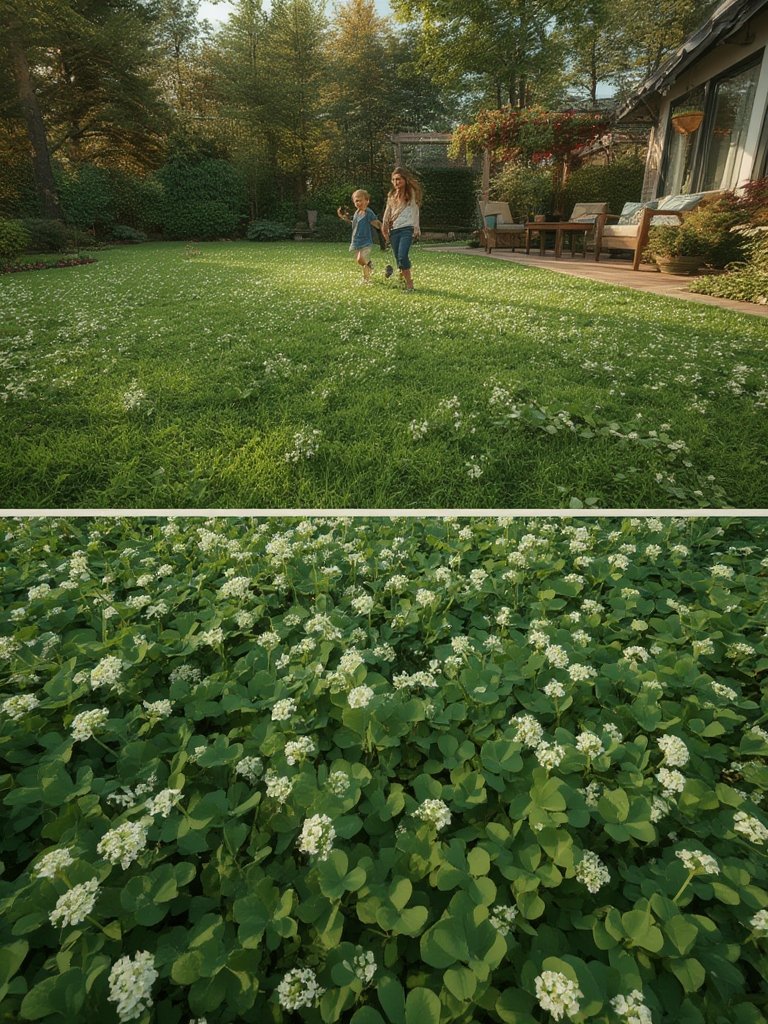
A clover lawn is a groundcover alternative to conventional turfgrass, using white clover, microclover, or other low-growing clover species. Unlike grass-only lawns, a clover lawn fixes its own nitrogen, attracts pollinators, and typically needs less mowing and watering. For eco-minded homeowners, the shift is about downsizing maintenance, chemical use, and water bills while supporting bees and other beneficial insects. Though exact numbers are lacking, sources point to clover’s resurgence due to its natural benefits and its inclusion in new seed blends for low-input lawns.
How to Establish a Clover Lawn: Step-by-Step
Transitioning to a clover lawn can be done on a fresh plot or by overseeding into existing turf, making it realistic for most homeowners. Here’s a clear, actionable roadmap:
- Test & Prep Your Soil:Clover thrives in pH 6-7 and tolerates poor fertility but avoiding waterlogged or extremely sandy soils improves success. Test soil, aerate, and remove deep-thatch or dense debris.
- Choose Your Clover Type:White clover covers quickly and lasts well; microclover blends better with grass, forming a more uniform look. Source untreated seeds where possible, noting Pennsylvania sedge lawns are another shade-tolerant option but offer a different groundcover experience.
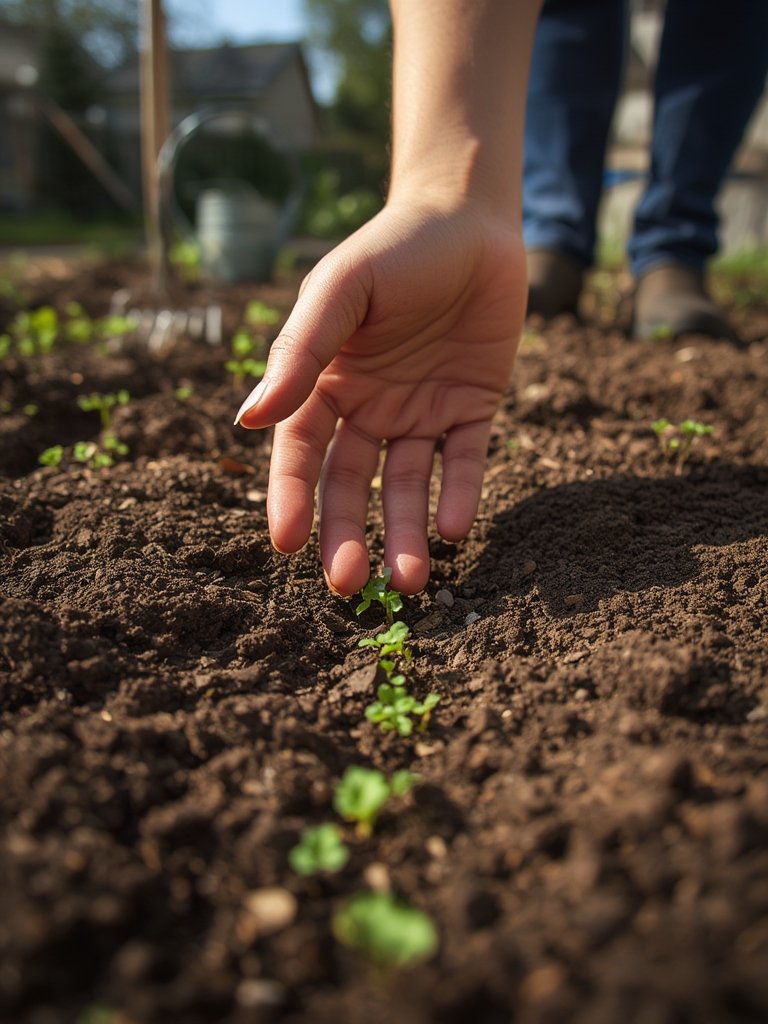
- Sow Clover at the Right Time:Early spring or fall are ideal. Seed at 1/2 to 1 oz per 1000 sq ft, scattering evenly and raking lightly. If sowing over grass, mow low and overseed. Water to keep seeds moist in the first two weeks.
- Minimize Fertilizer and Chemicals:Skip nitrogen fertilizer altogether. Clover will fix its own. Avoid weed-and-feed or broadleaf herbicides; these will kill the clover.
- Mowing and Watering:Once established, mow to 3–4 inches to avoid tall flower stalks and reduce bee attraction (vital if kids or pets use the area). In dry climates, smart irrigation systems can keep moisture consistent with less water.
- Edge and Monitor:Clover can spread—use edging or mowing strips to keep it from wandering into neighbors’ grass. Spot-weed by hand if needed, as broadleaf herbicides will eliminate the clover along with weeds.
For large yards or uneven ground, consider using a zero turn mower to manage both clover and existing grass efficiently, saving time and ensuring an even cut once your lawn is established.
If you’re interested in maximizing biodiversity, combine clover with elements from pollinator garden designs or explore a native plant lawn for even deeper ecosystem impact.
Advanced Analysis: Problems, Comparisons & Pitfalls
Clover lawns are not a miracle solution. Below are common complaints and how clover stacks up versus other eco-friendly alternatives and traditional turf. Use this as a reality check before investing time and money.
| Criterion | Clover Lawn | Traditional Grass | Pennsylvania Sedge Lawn |
|---|---|---|---|
| Water Needs | Low to moderate (deep roots) | Moderate to high | Low (excellent drought tolerance) |
| Mowing | 3–6 times/year | Weekly during season | Once or not at all |
| Fertilizer Required | None (fixes nitrogen) | 1–4 applications/year | None or minimal |
| Wear Tolerance | Poor to moderate (can recover slowly) | Good (better for kids/pets) | Poor to moderate |
| Winter Appearance | Loses leaves, some bare spots | Usually green if cool-season grass | Remains mat-like, greener in spring |
| Allergy/Bee Risk | Higher during bloom (can reduce by mowing) | Lower, unless grass flowers set | Very low |
| Invasiveness | Can spread to neighbors’ yards | Controlled, rarely invasive | Stays in place |
| Cost (Establishment/Maintenance) | Lower overall, no fertilizer/weedkiller, less water | Higher: ongoing chemicals, mowing, irrigation | Similar to clover (few inputs needed) |
Common Pitfalls:
- Heat & Drought Die-off: Clover can yellow or die in persistent high heat or drought, causing patches of brown and releasing odor as stems decompose. Source
- Winter Defoliation: Most clovers drop their leaves in winter, exposing bare earth. This can lead to mud or soil runoff in wet areas.
- Not Suited for Active Play: If your yard handles lots of foot traffic, soccer games, or dogs running at speed, clover recovers slower than turfgrass. Choose traditional grass or microclover blends if durability is crucial.
- Bee Stings: While excellent for pollinators, clover attracts bees—especially when flowering. Families with allergies or small kids should mow before bloom. Read more about pollinator and allergy safety in this bee lawn overview.
- Mismatched Look: Mixed clover and grass lawns can appear patchy. Microclover looks more uniform but grows slower, taking time to establish a dense carpet.
- Local Restrictions: HOAs or municipalities may restrict clover or flowering lawns. Confirm with your local policies before converting. Traditional broadleaf herbicides will also kill clover, so weed management must change. Source
Conclusion
A clover lawn offers a proven path to lower-maintenance, eco-friendly landscaping and is a strong alternative to thirsty, high-upkeep turf. While challenges exist—especially around summer survival, play wear, and HOA rules—realistic homeowners can reduce chemicals, help pollinators, and spend more time enjoying their landscape. If you’re ready to start a clover lawn conversion, audit your site, check local policies, and begin with a small test section before a full yard-wide rollout.
Want to learn more? Dive into related guides on meadowscaping, drought tolerant landscaping, or explore rain gardens for water-smart design. Take your lawn transformation beyond just clover—your soil, local wildlife, and your wallet will thank you.
FAQ
Will a clover lawn survive drought or heat?
Clover lawns are generally more resilient than turfgrass in low-fertility soils, but they can struggle in prolonged drought and high heat, leading to temporary die-off and browning. Consistent moisture and some shade improve summer survival, or choose microclover blends for better durability.
Are clover lawns safe for dogs and kids?
Yes, clover handles dog urine better than grass, showing fewer brown spots. However, clover attracts pollinators—so mow often during peak bloom if children play barefoot to minimize bee sting risks.
Is a clover lawn cheaper than a grass lawn?
No exact per-square-foot costs are published for 2024, but clover lawns are consistently described as cheaper to maintain long term—requiring less fertilizer, water, and mowing. Upfront seed costs are similar to grass, but savings come from reduced ongoing inputs.
Will clover spread into my neighbor’s yard?
Clover seed can drift and plants can creep into adjacent grass areas. Installing mowing strips or edging will help keep your clover lawn contained.
Can I mix clover with grass, or does it have to be all clover?
You can overseed clover into existing lawns for a mixed appearance or go with microclover for a more grass-like look. Just avoid broadleaf weedkiller products, as they’ll eliminate clover from mixed lawns.