

Raw pet food is a fast-growing trend among pet owners seeking more natural nutrition for their dogs, but despite its popularity, there is much confusion and a lack of clear guidance. Whether you’re considering raw, freeze-dried, or fresh frozen options, knowing the facts and pitfalls is critical for your dog’s health.
Key Takeaways
- The global raw pet food market is expanding rapidly, projected to reach up to $11.17 billion by 2032, driven by consumer demand for natural, additive-free nutrition.
- No peer-reviewed veterinary studies in the past three years confirm health benefits or risks of raw diets for dogs, so owners should proceed with realistic caution.
- Lack of clear price comparisons, nutrient guidance, and transition protocols means pet parents must do extra homework before switching to a raw pet food diet.
- What Is Raw Pet Food and Why Are More Owners Choosing It?
- How to Start Your Dog on Raw Pet Food: Step-by-Step Guide
- Advanced Analysis & Common Pitfalls With Raw Pet Food
- Conclusion
- Frequently Asked Questions
What Is Raw Pet Food and Why Are More Owners Choosing It?
Raw pet food refers to minimally processed diets for dogs, made from raw muscle meats, organs, bones, and sometimes vegetables and fruits. This category also covers freeze-dried and fresh frozen dog foods that aim to replicate the nutrients of a wild canine diet. Shoppers are gravitating to these meals for their perceived closer alignment with nature, absence of artificial preservatives, and belief in improved wellbeing for pets.
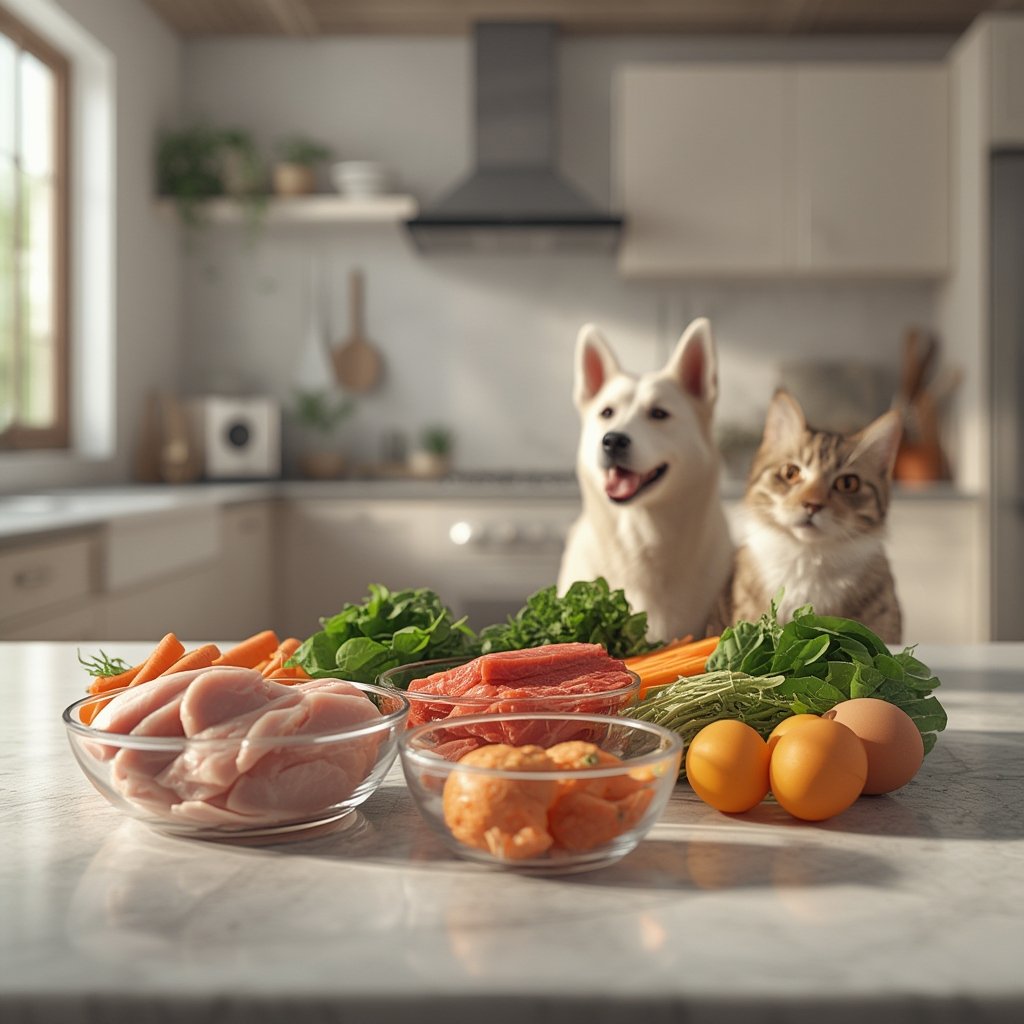
Market data shows raw pet food isn’t a passing fad. The global market value has soared from around $1.2 billion in 2024 to a projected $3.8 billion by 2034, with even more optimistic projections up to $11.17 billion by 2032, reflecting strong annual growth rates between 11% and 15%. (source, source). This surge is mainly due to pet owners viewing their animals as family and demanding unprocessed, additive-free food options.
In the USA and globally, increased adoptions (over 4 million in 2024) and awareness of grain-free, natural diets have also boosted the demand for raw diets (source).
It’s important to note that while fresh, raw, and freeze-dried foods are often marketed together as “ancestral” or “natural” pet food, there is no universal regulation or standard, so offerings can vary dramatically in ingredient quality, preparation methods, and nutritional completeness.
If you’re also interested in optimizing your pet’s meals in different ways, check out this guide to dog food topper options for picky eaters and nutritional boosts.
How to Start Your Dog on Raw Pet Food: Step-by-Step Guide
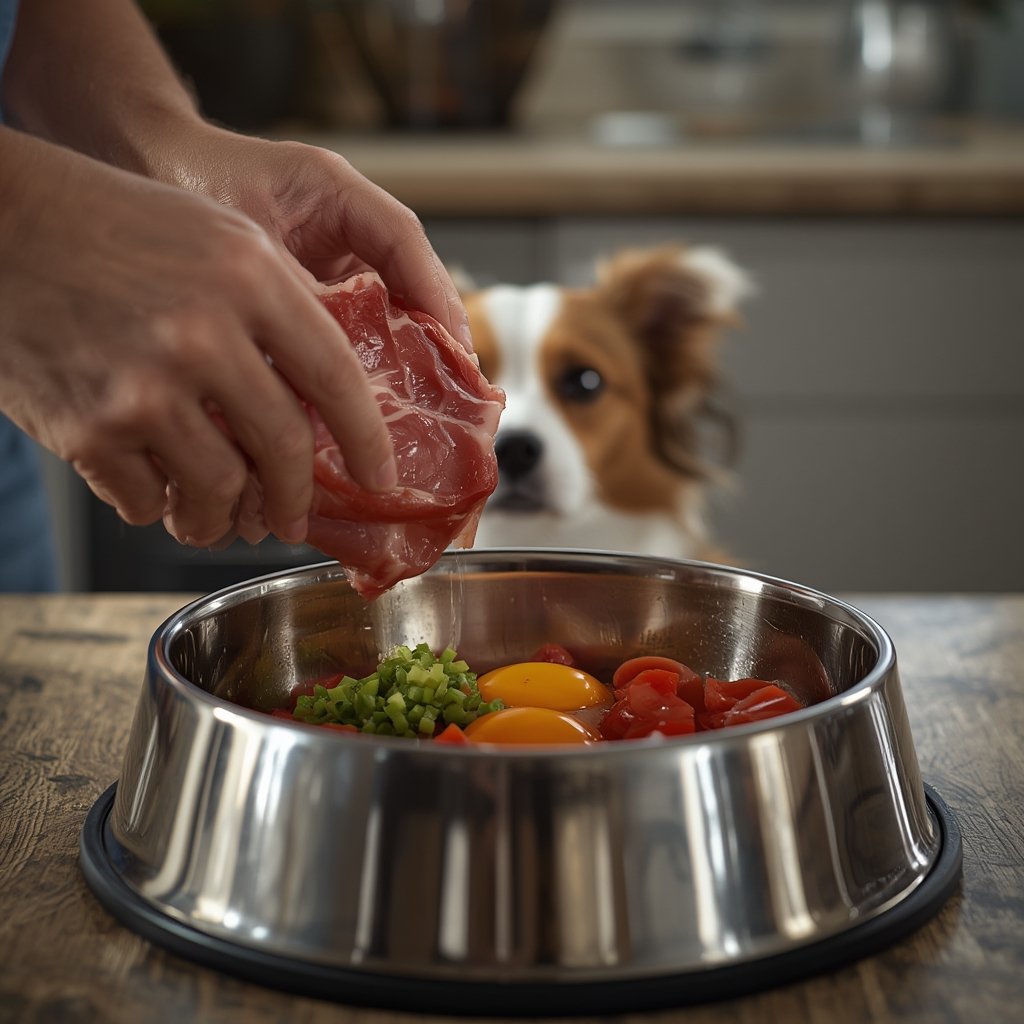
Switching your dog to raw pet food requires planning, research, and gradual transition to avoid digestive upsets or nutritional imbalances. Here’s a practical, actionable walkthrough:
- Research reputable brands and ingredient sourcing: Choose established raw pet food brands that disclose sourcing and processing details. Look for foods with human-grade, responsibly sourced meats comparable to what you’d eat.
- Understand your dog’s unique needs: Factor in age, activity level, breed, allergies, and sensitivities. For certain life stages or medical conditions, a raw diet may need customization; seek professional guidance.
- Start with a slow transition: Begin by mixing a small amount of raw pet food with your dog’s current meal. Gradually increase the raw portion over 7 to 10 days. Monitor stool and overall health closely.
- Practice safe handling and hygiene: Raw meats can carry bacteria. Always wash your hands, utensils, and dog bowls thoroughly.
- Store properly to prevent spoilage: If using frozen or fresh formulas, maintain a consistent cold-chain. For freeze-dried foods, fully rehydrate before serving and store in airtight containers to preserve nutrients.
- Track progress and adjust: Watch closely for appetite shifts, stool changes, skin/coat differences, or new sensitivities. Log what works and be ready to adjust if any digestive or health concerns emerge.
- Rotate proteins periodically: This can help avoid potential deficiencies or boredom. Many raw feeders rotate between chicken, beef, turkey, fish, and other novel proteins if the dog tolerates them.
Finally, review your storage situation before scaling up, especially if you’re ordering in bulk or subscribing to delivery services. If you’re looking for ways to automate pet feeding, the smart pet feeder guide can help streamline routines for busy owners.
Advanced Analysis & Common Pitfalls With Raw Pet Food
Despite market enthusiasm, documented evidence of specific health outcomes for dogs fed raw pet food is scarce. There are no peer-reviewed veterinary studies from 2023 to 2026 that clearly demonstrate the benefits or risks of raw, freeze-dried, or fresh frozen dog diets (source). This reality means pet parents must be especially vigilant about nutrition, safety, and practical challenges.
Raw Pet Food vs. Freeze-Dried vs. Fresh Frozen: Comparison Table
| Type | Main Features | Storage | Convenience | Typical Price Range* | Key Potential Issues |
|---|---|---|---|---|---|
| Raw (Fresh/Frozen) | Minimally processed; uses raw meat, organs, bones | Requires freezer/fridge; must keep cold | Medium (prep/thaw needed) | Not consistently published; expect high ongoing cost and shipping & delivery fees | Potential for bacterial contamination if mishandled, risk of nutritional imbalances |
| Freeze-Dried | Made from flash-frozen raw or cooked ingredients, shelf-stable | Cool, dry pantry; rehydration required before feeding | High (portable, no thawing) | No published comparative price data available for 2024 | Potential loss of nutrients in drying process, incomplete diets if not supplemented |
| Fresh Cooked Delivery | Gently cooked, vacuum-sealed, ready-to-serve | Refrigeration/freeze; typically small batch shipped | Medium to high (ready-to-use but fridge needed) | Direct-to-consumer models offer subscription, prices not public for 2024 | Risk of spoilage, steep cost, may lack full micronutrient balance |
*Pricing is unpublished and varies by brand/region. Subscription fees and shipping costs can increase total cost. For smarter pet food additions without total diet change, see our dog food topper guide.
Common Raw Diet Pitfalls to Avoid
- Nutritional imbalance: Without expert guidance, home-prepping or over-reliance on single-source commercial formulas risks deficiencies or excesses in calcium, phosphorus, and micronutrients.
- Transition errors: Switching too quickly can lead to diarrhea, vomiting, or appetite loss due to a sudden change in microbial exposure or fat/protein profiles. Always use a slow transition plan.
- Storage and cross-contamination: Raw meats require diligent cold storage and sanitary handling to avoid bacterial contamination for pets and humans. Pay particular attention if you have young children or immunocompromised family members.
- Lack of transparency: Some brands do not disclose sourcing or third-party lab test results, making it hard to compare real quality.
- Cost and long-term commitment: Raw diets are often significantly more expensive than kibble or canned food once you factor in the need for premium ingredients and home delivery. No published price comparison is available for leading brands in 2024 (source).
For related ways to support your dog’s health during a food transition, investigate probiotic pet supplement strategies, which may help with gut stabilization during diet changes.

Still concerned about oral health when feeding raw? Dental chews can be an important add-on. Learn more in our pet dental chews breakdown.
Conclusion
Raw pet food is one of the fastest-growing categories for dog owners seeking natural, high-protein nutrition, but making the switch safely requires realistic expectations, diligent transition planning, and ongoing attention to storage, sourcing, and nutrient balance. Given the lack of recent peer-reviewed veterinary research or published brand pricing, those considering a raw pet food diet must be extra diligent with research and veterinary support.
If you’re ready to explore raw pet food safely, talk to your vet, compare leading brands, and start slow—a better diet for your dog starts with informed choices. Looking for more solutions to stress or behavior challenges for your pets? Visit our cat calming collar guide or the top tofu cat litter options for cleaner cat care.
Frequently Asked Questions
Is raw pet food truly better for dogs than kibble?
No conclusive peer-reviewed studies from 2023 to 2026 confirm raw pet food is superior to commercial kibble. Benefits are often anecdotal or based on consumer perception. Always consult your veterinarian about your dog’s individual needs.
How much does raw pet food cost compared to freeze-dried or cooked options?
There is no publicly published cost-per-meal data for raw, freeze-dried, or cooked commercial brands for 2024. Generally, expect raw and freeze-dried diets to cost significantly more than kibble—especially when using DTC subscription services that include delivery and storage costs.
Are there documented health risks in feeding my dog a raw diet?
No peer-reviewed veterinary studies from the last three years confirm specific risks or benefits. Concerns include potential bacterial contamination, nutritional imbalances, and higher costs. Consult your veterinarian, especially if you have immunocompromised household members.
What are some realistic downsides to feeding dogs raw food?
Major downsides include cost, complex storage requirements, potential pathogen risk, and lack of consensus on diet balancing without veterinary nutritionist input. Expect to invest extra effort in research and preparation.
Can I supplement a kibble diet with raw food safely?
Many owners use freeze-dried or raw food as a topper for kibble, but always transition slowly and watch for digestive upset. For safe supplementation, check our dog food topper guide.