

Automatic litter box solutions are genuinely changing things for cat owners — and if you’ve ever come home after a long day to a litter box that needed immediate attention, you’ll understand the appeal instantly. With so many smart, self-cleaning options hitting the market, it’s tempting to just grab one and be done with it. But how well do these devices actually work day-to-day, and what should you really expect in 2024 before spending your money?
Key Takeaways
- The automatic litter box market is growing faster than traditional options, fueled by busy lifestyles and smart home integration.
- Product advances focus on WiFi connectivity, modular design, and multi-cat support, but concrete cost and performance data remains limited.
- Common pitfalls include unclear odor control effectiveness, potential maintenance needs, and lack of real-world troubleshooting coverage from competitors.
- What Is an Automatic Litter Box and Why Use One?
- How to Choose and Use an Automatic Litter Box (Step-by-Step)
- Advanced Analysis & Common Pitfalls: What the Market Won’t Tell You
- Conclusion
- Frequently Asked Questions
What Is an Automatic Litter Box and Why Use One?
An automatic litter box is essentially a self-cleaning cat toilet that takes daily scooping off your plate. Depending on the model, it uses a mechanical rake, gravity system, or rotating sifter to detect waste, clean the tray, and drop clumps into a sealed waste bin — all without you having to touch anything. Many 2024 models go further, adding WiFi, app controls, and multi-cat support to the mix.
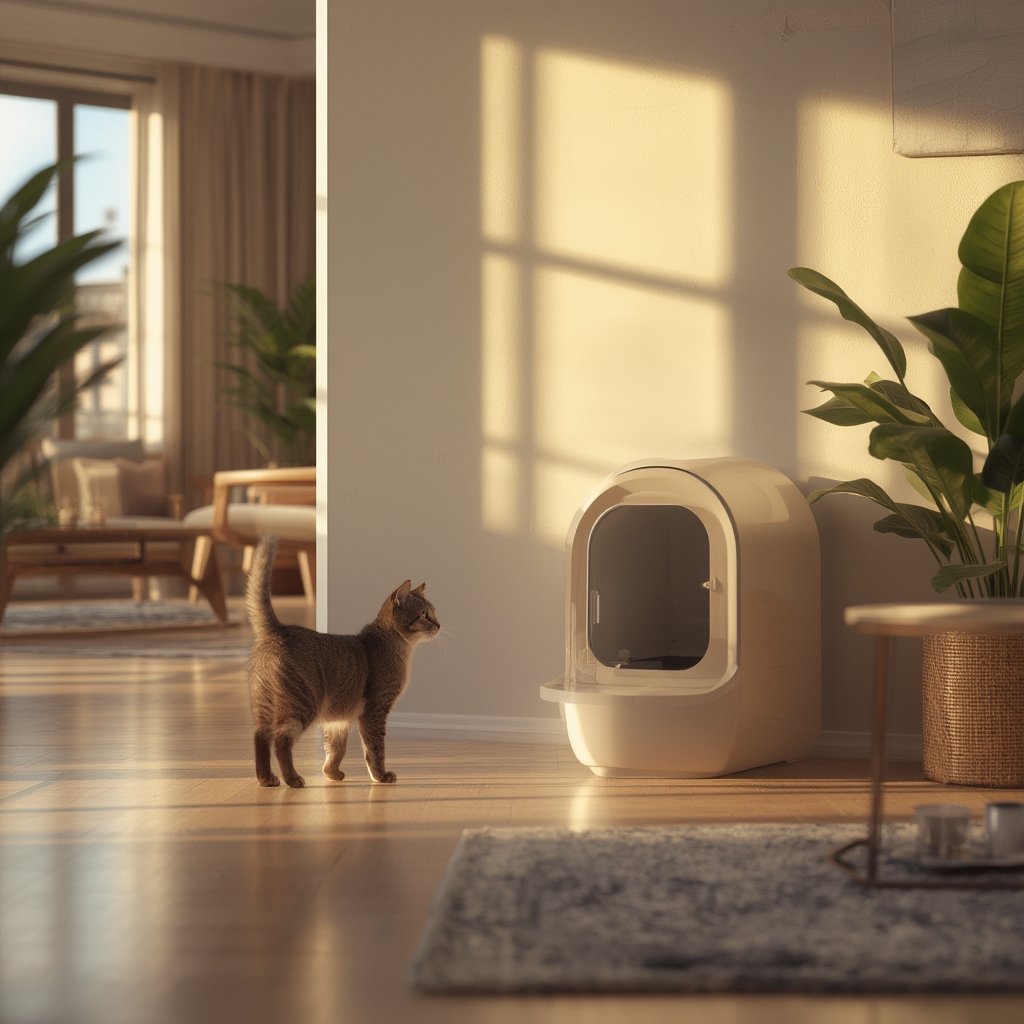
The global automatic litter box market was valued at $1.2 billion in 2024 and is expected to more than triple by 2033 — a number that reflects just how seriously people are taking low-maintenance pet care right now. Self-cleaning models account for more than half of all sales, with North America leading the way thanks to high pet ownership rates and the convenience of online shopping (source).
The reasons people switch are pretty consistent: less daily hassle, less odor exposure, and an easier time managing homes with multiple cats. Urban apartment living and a growing focus on pet wellness are also pushing more people toward these devices. That said, it’s not all smooth sailing — upfront costs, long-term reliability, and how well they actually control odor are all worth a closer look before you commit.
How to Choose and Use an Automatic Litter Box (Step-by-Step)
- Assess Your Cat’s Needs — Start with the basics: your cat’s size, age, mobility, and whether you have one cat or several. Multi-cat support is one of the fastest-growing purchase drivers in the US right now (source), but not every “multi-cat” model actually holds up in practice.
- Research Key Features — Focus on what actually matters day-to-day: waste bin capacity, how the cleaning cycle works, odor control systems, and whether it’s compatible with the litter you already use. WiFi and app controls sound great on paper, but detailed specs like bin size or cycle speed are surprisingly hard to find online (source).
- Setup and Transition — Put it together following the instructions, then give your cat time to adjust. The best approach is to run the automatic litter box alongside your old one for a week or two — mix in some used litter to make it smell familiar. Forcing a sudden switch can make even the most relaxed cat wary.
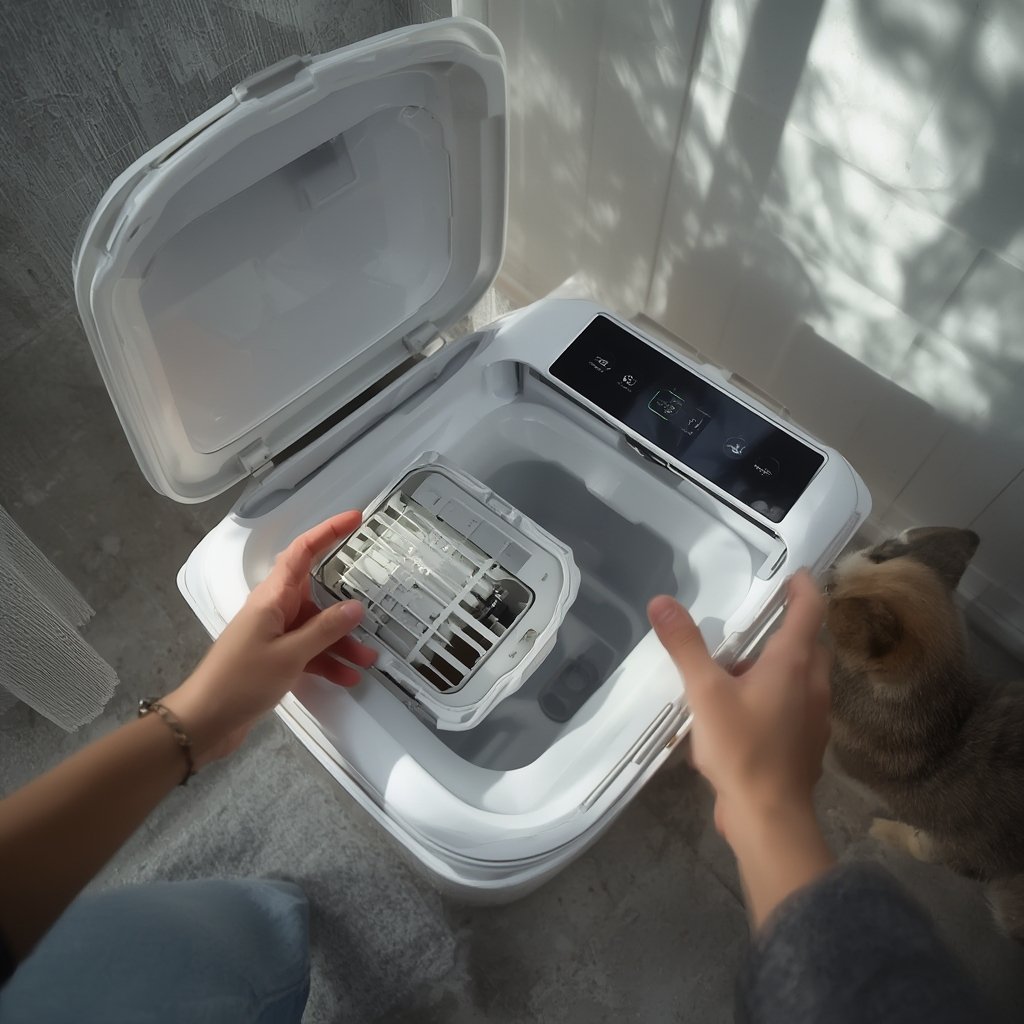
- Routine Maintenance — This is where people get surprised. You’ll still need to empty the waste bin regularly and keep an eye out for jams or stuck litter. Filters and liners need changing just like any other consumable. “Self-cleaning” doesn’t mean zero effort — it just means less of it.
- Monitor Via App (if equipped) — If your model connects to an app, use it to track cleaning cycles and get refill alerts. That said, app connectivity isn’t always flawless, and it’s worth checking the device’s privacy settings before handing your home data over to a pet tech company.
- Some cats love enclosed spaces; others won’t go near them. Pick a design that fits your cat’s existing habits, not just what looks good in your home.
- Watch for avoidance, going outside the box, or persistent smells — these are signs of either an adjustment issue or something that needs maintenance.
- For cats that are particularly anxious about new things, pairing the transition with a cat calming collar can make the whole process a lot smoother.
Advanced Analysis & Common Pitfalls: What the Market Won’t Tell You
The marketing around automatic litter boxes is polished and convincing — but real-world experience tells a more complicated story. The market is growing fast, smart features are improving, and multi-cat designs are getting better. What’s still missing is honest, evidence-based information about what these devices actually deliver once they’re in your home.
| Aspect | Automatic Litter Boxes | Traditional Litter Boxes |
|---|---|---|
| Market Value (2024) | $1.2B (source) | $1.99B (source) |
| Growth Rate | 13.7% CAGR | 4.8% CAGR |
| Odor Management Data | No measurable survey/test results reported | No measurable survey/test results reported |
| Maintenance Needs | Low daily scooping, but still needs weekly waste bin changes and periodic cleaning | Manual daily scooping, but fewer mechanisms to fail |
| Technical Specs (2024) | More WiFi/app controls, gravity sensors, smart modular designs (source) | Designs largely unchanged |
| Cost Data | No reliable cost of ownership or consumable breakdowns for 2024 | Lower initial and ongoing costs, but with more manual work |
| Major Brands/Options | Whisker, PetSafe, Petkit | Generic/varied |
| Common User Complaints | No aggregate data; tends to focus on odor and maintenance but not quantified | Odor if not cleaned frequently; simple structure means less to break |
Common pitfalls and challenges:
- Lack of Reliable Odor Control Data: Despite what the packaging says, no independent testing proves automatic litter boxes beat traditional ones for odor. How well they work in practice likely comes down to how often you clean and which litter you use.
- Hidden Maintenance Requirements: “Automatic” doesn’t mean hands-off. Bins still need emptying, sensors can malfunction, and replacement parts like liners and filters add ongoing costs that most brands don’t spell out clearly.
- Multi-cat Issues: A lot of guides skip over this, but not every model marketed for multiple cats actually handles the load well. Check real owner reviews for multi-cat households specifically.
- Data Privacy of Smart Features: App-connected boxes collect data about your pet’s habits — and sometimes your home. It’s worth reading the manufacturer’s privacy policy before setting everything up (source).
- Troubleshooting Complexity: When the mechanism jams or the sensor misfires, it can scare your cat off using it entirely. Most guides only cover basic resets — real troubleshooting steps are rarely documented well.
- No Independent Testing: As of 2024, there’s still no third-party validation on time saved or odor reduction. The convenience claims are mostly based on what owners report, not controlled studies.
- Upfront and Ongoing Costs: High-end models have significant purchase prices, and ongoing consumable costs aren’t well documented yet. Budget more conservatively than the sticker price suggests.
- Recalls and Safety Notices: No known recalls in 2023–2024, but register your purchase anyway so you’ll be notified if anything comes up.
The best way to get real value from an automatic litter box is to stick to the basics: pick the right litter, place the box somewhere quiet and low-traffic, and actually test the smart features before you rely on them fully. And if you want to take the automation further, pairing it with a smart pet feeder can take a big chunk of the daily routine off your hands.
Conclusion
An automatic litter box can genuinely save time and make your home feel cleaner — but it’s not a plug-and-play miracle. The market is growing fast for good reason, but real-world data on cost, odor control, and long-term reliability is still catching up to the marketing. Before you buy, be honest about your cats’ habits, how much maintenance you’re actually willing to do, and what you’re prepared to spend beyond the purchase price. Want to build out a full low-touch pet care setup? Check out our guides on cat calming collars, eco-friendly litter choices, and the smart pet feeder — they pair well with any automatic litter box setup.
Frequently Asked Questions
Do automatic litter boxes completely eliminate scooping?
Automatic litter boxes significantly reduce manual scooping, but you’ll still need to empty waste bins and perform periodic cleaning to prevent odor and malfunctions.
Are automatic litter boxes safe for kittens or older cats?
Many are, but always check model recommendations. Smaller or less agile cats may initially struggle with entry. For older pets, choose shallow-entry designs.
How do I choose the right litter for an automatic litter box?
Use clumping, low-dust litters, such as tofu cat litter or premium clay options that don’t clog sensors or raking mechanisms.
What should I do if my self-cleaning litter box malfunctions?
First, check for simple issues like clogged waste, sensor obstructions, or full bins. Regular cleaning and following the troubleshooting section in the manual solve most problems. If the issue persists, contact manufacturer support.
Can automatic litter boxes really control odor better than regular boxes?
There’s no independent test data confirming superior long-term odor control, but daily waste separation and timely bin changes typically help reduce smells. Consistent maintenance is still essential.