

Ground cover plants are changing the way homeowners approach weed prevention, low maintenance gardening, and curb appeal. If you’re searching for landscape solutions that reduce work and look fantastic year-round, ground covers deserve your attention.
Key Takeaways
- Not all ground cover plants suppress weeds as effectively as traditional mulch or sheet mulching. Selecting the right species and allowing for full establishment are critical.
- Common pitfalls include slow establishment, gaps that allow weeds, maintenance challenges, and lack of adaptability to different climates.
- Mixing strategies—such as pairing ground cover plants with mulch or native lawn alternatives—boosts weed control, biodiversity, and visual appeal.
- What Are Ground Cover Plants and Why Use Them?
- Step-by-Step Guide: How to Establish Ground Cover Plants for Weed Prevention
- Advanced Analysis & Common Pitfalls
- Conclusion
- Frequently Asked Questions
What Are Ground Cover Plants and Why Use Them?
Ground cover plants are low-growing perennial or annual species that spread densely across soil, creating a living carpet over garden beds, slopes, and troublesome spots where grass struggles. Their key appeal is crowding out weeds, stabilizing soil, and reducing the need for mowing or mulching.
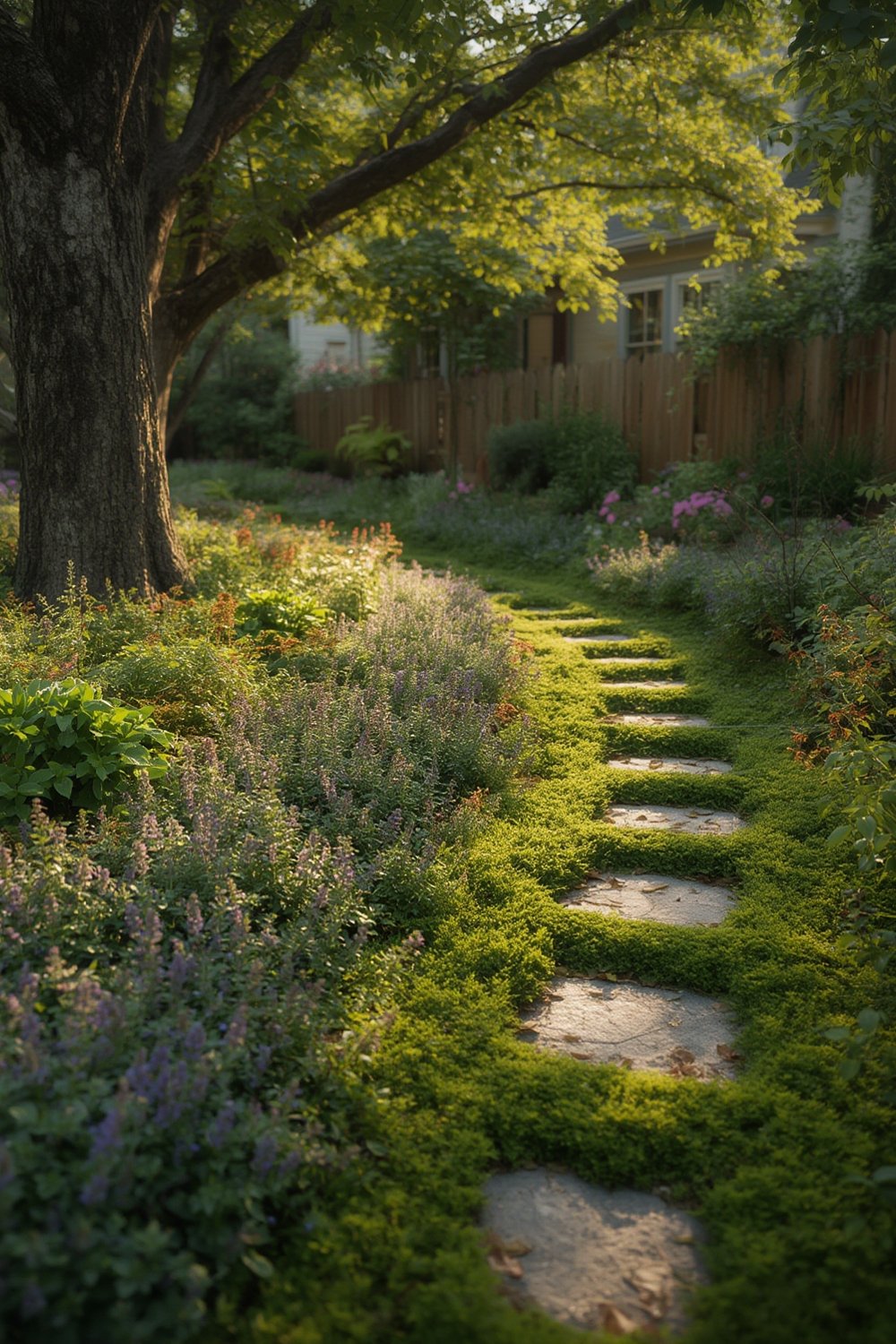
Many ground covers, like creeping thyme, sedum, or liriope, thrive in spots where turf grass fails—around trees, in shade, or on hot dry slopes. Once established, they can reduce ongoing maintenance since their dense leaf canopy blocks sunlight, making it hard for weeds to sprout.
In contrast to classic lawn or open-mulch beds, ground cover plants enhance biodiversity, attract pollinators, and help regulate soil temperature and moisture. Interested in lowering water use further? Consider pairing ground covers with native plant lawns or exploring drought-tolerant landscaping to boost sustainability and resilience.
Step-by-Step Guide: How to Establish Ground Cover Plants for Weed Prevention
- Prepare the Soil Thoroughly.
Remove all existing weeds and grass—dig, hand-pull, or use a soil-safe herbicide for persistent perennial weeds. This initial prep is absolutely crucial. Add compost or a slow-release natural fertilizer if soil quality is low. - Install Plants Densely.
Plant plugs or divisions close together (6-12 inches apart for most species) to form a tight canopy quickly. Stagger in a triangular pattern for fastest coverage.
For large areas, consider direct seeding with species like clover lawns or ground cover wildflower blends to save on cost. - Mulch Immediately After Planting.
Apply a thin layer of organic mulch (like shredded bark or compost) to suppress weeds while ground covers establish. Remove any volunteer weeds as soon as they appear. - Water and Tend Until Established.
Keep ground cover plants evenly moist during their first year, especially in periods of drought. Fertilize lightly if needed. Most species outcompete weeds once a dense mat forms—which generally takes 1 to 2 growing seasons. - Long-Term Maintenance.
Monitor for gaps or thinning patches, and fill in as needed. Edge beds seasonally to stop spreading ground covers from encroaching onto lawns or walkways. For extra weed prevention and to support pollinators, integrate with pollinator garden designs or clover lawns.

Advanced Analysis & Common Pitfalls
Not all ground cover plants deliver the same level of weed suppression. While options like liriope and comfrey can eventually “completely prevent weeds,” field studies show that living ground covers may only cut weed biomass by 18% compared to mulching (which cuts up to 86%). The catch? These studies focus on commercial vegetable fields, but the results highlight the need for realistic expectations at home.
| Ground Cover Type | Weed Biomass Reduction | Typical Establishment Time | Key Weakness |
|---|---|---|---|
| Living ground cover plants | ~18% (initial 1-2 yrs) * | 1-2 seasons | Slow fill-in; gaps let weeds in |
| Traditional mulch (bark, straw) | 86% (first season) | Immediate | Degrades, must be replenished yearly |
| Sheet mulching (no-till, cardboard base) | Up to 95% (if combined with mulch or living cover) | Immediate; lasts 1 season before decomposing | Labor intensive; not a perennial solution alone |
(*) Data from agricultural context. Effectiveness varies by species and region.
Common pitfalls for homeowners using ground cover plants include:
- Slow fill-in: Most spread gradually, taking 1-2 seasons before outcompeting weeds. Impatience leads to spotty coverage and disappointment. Consider interplanting with meadowscaping for faster, diversified results.
- Gaps in planting: Any missed spots will be invaded by opportunistic weeds.
- Wrong species or bad climate fit: Some ground covers fail in the wrong hardiness zone, or can become invasive (eg. certain English ivy or vinca species).
- Maintenance underestimation: Until fully established, weeding and watering are required. Even mature ground covers sometimes need dividing, sizing back, or gap repair.
- Unproven erosion control: While touted as anti-erosion, few landscapes have tested direct erosion rates for these alternatives.
It’s worth noting that while some gardeners report “complete weed suppression” with mature liriope or comfrey as cited here, results vary due to microclimate, soil, and initial density.
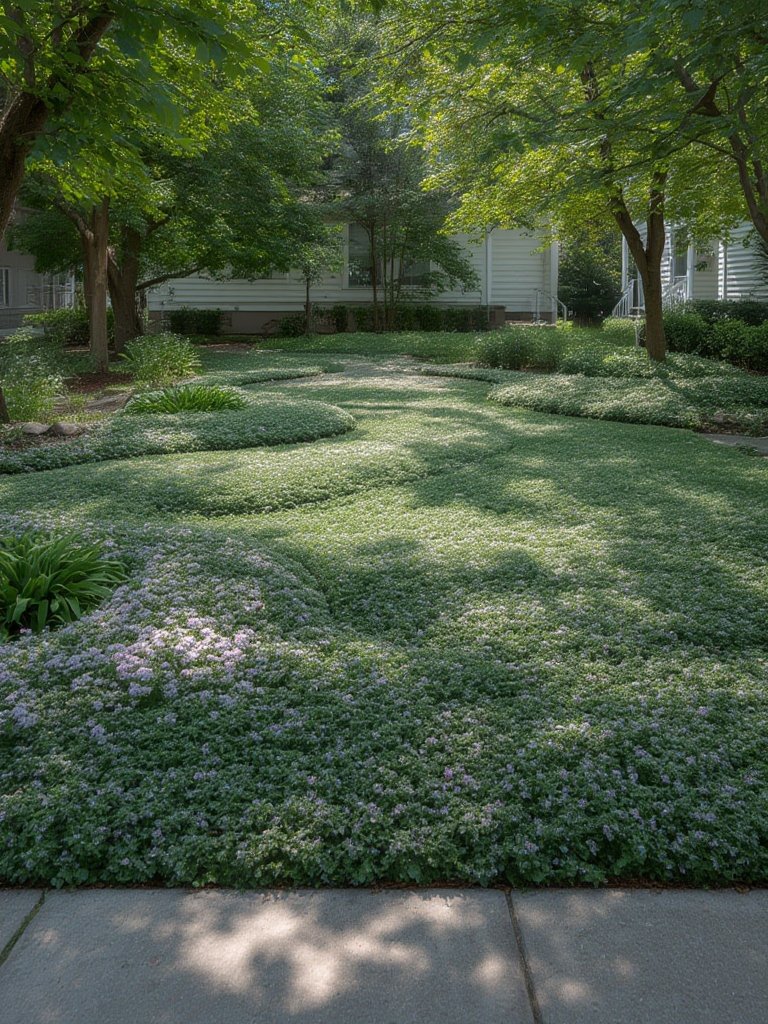
Finally, homeowners seeking true “no maintenance” landscaping should consider combining perennial ground covers with innovations like smart irrigation systems to minimize inputs while maximizing ecological benefits. For high-traffic or challenging spots, mix and match living covers, meadows, and hardscape for best year-round results.
Conclusion
Ground cover plants offer a living alternative to constant mulching and mowing, but successful weed control depends on realistic expectations, careful site prep, and species selection. When fully established, the right ground covers can deliver beauty and reduced maintenance, especially if paired with other strategies like clover lawns or native plant lawn approaches.
If you’re ready to cut down on upkeep and support your local ecosystem, start exploring ground cover plants for your own landscape today. Compare options, match them to your climate, and take the first step toward a healthier, lower-maintenance yard.
Frequently Asked Questions
Which ground cover plants are best at suppressing weeds?
Tough, dense spreaders like liriope, comfrey, and certain sedums are among the best for smothering weeds once mature. However, some types, especially low-growing thymes or wild strawberry, take a season or more to form a closed canopy. Always match the species to your climate and maintenance goals.
How long do ground cover plants take to fully establish?
Most perennial ground cover plants need 1 to 2 full seasons of growth to fill in densely and minimize weed invasion. Fast-growing annuals fill in quickly but usually need replanting the next year.
Can I walk on ground cover plants?
It depends on the species. Creeping thyme, white clover, and some sedums tolerate occasional foot traffic. Others, like sweet woodruff or vinca minor, are best in low-traffic areas. For areas with regular walking, use ground covers labeled as “lawn alternatives.”
Will ground cover plants survive drought?
Some ground cover plants like sedum, creeping thyme, and yarrow are highly drought-tolerant once established. Others, such as sweet woodruff or liriope, need moist soil. Native species matched to your climate provide the best long-term drought survival.
Do I need to mulch after planting ground cover plants?
It’s wise to mulch with a thin layer after installing new plants to block weeds while they establish. Once ground covers close their canopy, mulch may not be needed except in bare or thinning patches.