

Hügelkultur raised bed gardening gives home growers a realistic solution for slashing watering needs while boosting garden health, but it also demands real effort and honest planning. This guide unpacks exactly how hügelkultur works, what sets it apart from typical raised beds, and where most people go wrong.
Key Takeaways
- Hügelkultur raised beds excel in water retention, offering up to twice the drought endurance of standard raised beds.
- Expect significant labor up front for sourcing and layering wood, along with settling and nitrogen tie-up in year one.
- Proper construction can deliver years of low-maintenance, high-yield gardening, but only if you avoid common beginner mistakes detailed below.
- What Is a Hügelkultur Raised Bed and Why Use One?
- How to Build a Hügelkultur Raised Bed: Actionable Steps
- Advanced Analysis and Common Pitfalls
- Conclusion
- Frequently Asked Questions
What Is a Hügelkultur Raised Bed and Why Use One?
A hügelkultur raised bed is a gardening system where you create a tall mound or in-ground trench layered with logs, woody debris, branches, grass clippings, leaves, compost, and soil. Originating in German horticulture, this “hill culture” method unlocks water retention, slow-release fertility, and a thriving soil ecosystem by mimicking the natural decomposition found on a forest floor. Unlike standard raised beds or lasagna gardens, hügelkultur beds rely on large, buried wood pieces to act as sponges, gradually feeding plants and cutting back on manual irrigation needs.
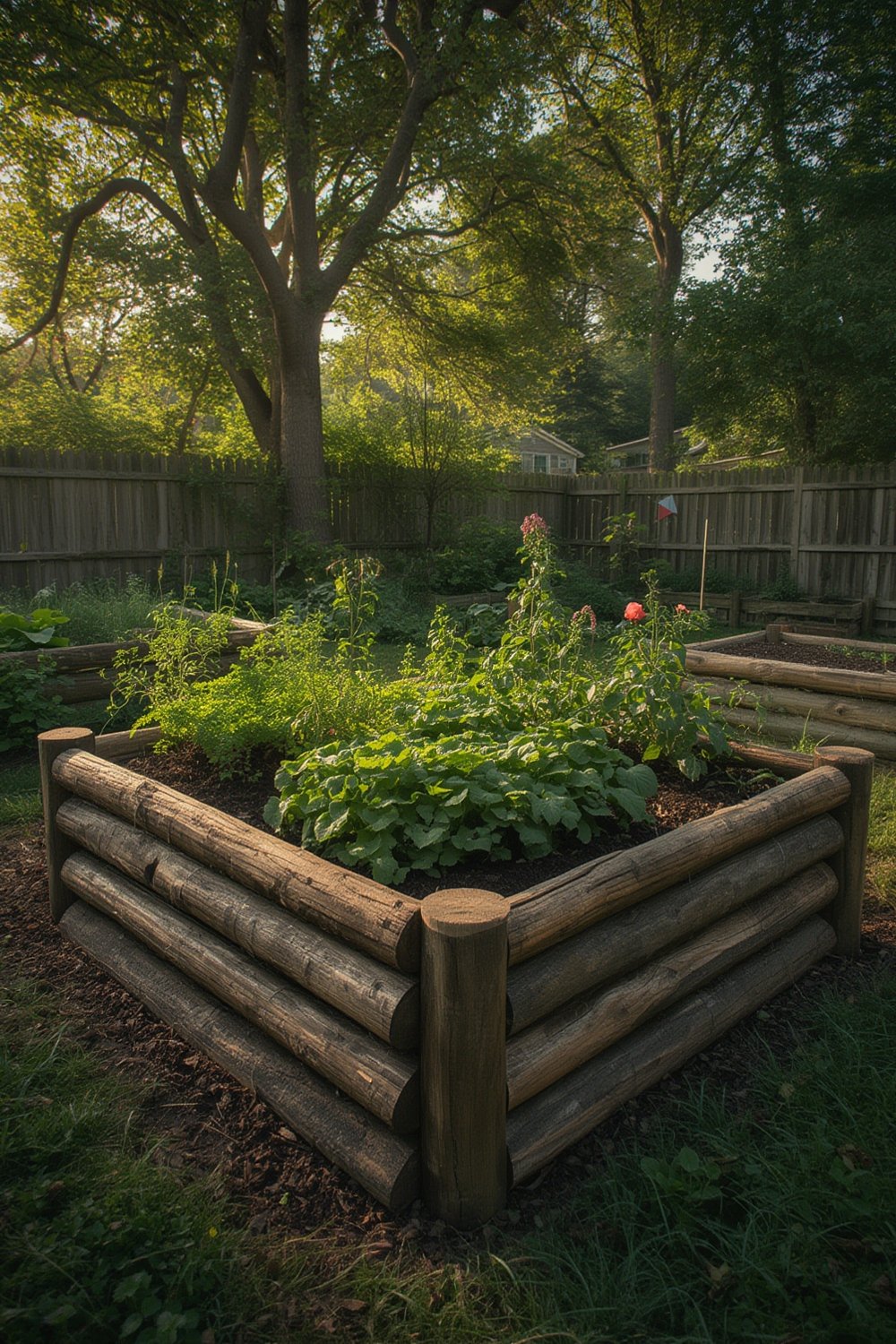
Case studies show these raised beds can hold soil moisture almost twice as long as similarly-sized, soil-only raised beds, making it particularly useful where drought or watering restrictions challenge traditional gardens (YouTube trial). For gardeners prioritizing sustainability, hügelkultur raised beds recycle logs and organic refuse that would otherwise go to waste, reducing the need for bagged soil or frequent fertilizer applications over time.
The downsides? This isn’t a quick or low-effort project at the start. Transporting enough wood, organizing layers, and dealing with initial bed settling will take both physical labor and patience, especially if you want a tall, moisture-efficient bed. For detailed instructions, keep reading.
How to Build a Hügelkultur Raised Bed: Actionable Steps
Below is a clear and realistic workflow for constructing an effective hügelkultur raised bed, based on best practices and findings from practical experiments.
- Pick the Best Site and Size
Choose a location with full sun and good drainage. For best results, plan a bed at least 3-4 feet wide, 6-8 feet long, and a minimum of 17 inches deep or high. Taller beds deliver more pronounced self-watering effects. - Source Materials (Logs, Branches, Organic Filler, Soil)
Gather old logs, deadwood, and branches—softwoods like poplar, maple, or cottonwood work well. Oak, locust, and cedar rot slowly but can still be used. Muscle in fallen limbs, pruning debris, straw, grass clippings, compost, and finished soil for layering. - Excavate or Mound the Base
For in-ground beds, dig a trench approximately 12-18 inches deep. For above-ground beds, simply mound the wood directly on existing soil. - Layer Wood, Organic Matter, and Soil
Start with your thickest logs at the base, stacking branches and smaller wood above. Alternate layers of carbon-rich (brown) materials and nitrogen-rich (green) fillers like grass or food scraps. Cap the entire mound with 4-8 inches of quality topsoil. - Water and Settle
After building, saturate the mound thoroughly. If possible, let it settle for 1-2 weeks before planting. - Plant Strategically
In year one, favor legumes, squash, or root vegetables (potatoes, carrots) that tolerate lower soil nitrogen. Avoid heavy feeders like tomatoes or cabbage until year two, or supplement early with composted manure. - Mulch and Maintain
Apply a thick mulch of straw or wood chips to reduce weeding and further retain moisture. Replenish mulch annually.
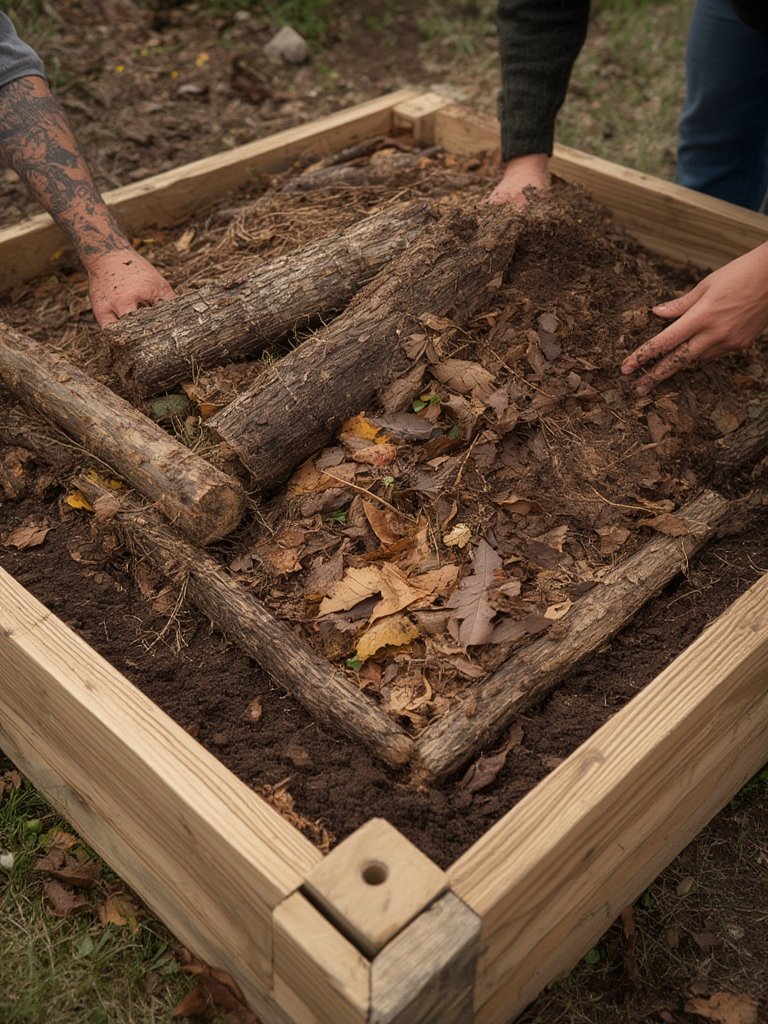
- Time Required: For a 6x3x2-foot mound, estimate 4-8 hours of active labor, depending on how close your wood sources are.
- Cost Estimate: Free to $100, assuming you repurpose on-site logs and compost. Purchased soil or mulch may add to cost. See the Vego Garden FAQ for more cost-saving and sourcing tips.
- Long-Term Maintenance: Add 1-3 inches of topsoil each year as the core settles. See details in the analysis below.
Interested in maximizing pollinator support or exploring more eco-friendly planting options for your property? Consider creating a Pennsylvania sedge lawn or transforming an unused area into a meadow garden alongside your hügelkultur bed for nearly maintenance-free biodiversity.
Advanced Analysis and Common Pitfalls
Before building a hügelkultur raised bed, it’s important to be realistic about what could go wrong and how this method stacks up versus other raised bed techniques. Below is a breakdown of common pitfalls and practical differences.
| Factor | Hügelkultur Raised Bed | Standard Raised Bed | Trench (Buried Wood) Bed |
|---|---|---|---|
| Water Retention | Excellent (holds moisture 2x longer in tall builds) | Moderate (requires frequent watering) | Good, but less effective than hügelkultur |
| Labor Intensity (Build) | High (wood sourcing, hauling, stacking) | Low to moderate | Moderate (some digging, wood sourcing) |
| Nitrogen Tie-Up | Significant in Year 1; less after | Minimal if using compost | Moderate in early years |
| Settling/Shrinkage | Settles 10–25% in first 2 years | Minimal settling | Moderate (as wood decomposes) |
| Material Cost | Low if on-site wood, higher if purchasing soil/topsoil | Varies (depends on frame/soil purchase) | Low (uses on-site debris) |
| Yield (After Establishment) | Equal or greater with less fertilizer needed | Average (needs more regular fertilization) | Good but less long-term boost than hügelkultur |
Common Pitfalls
- Underestimating Labor: Dragging and stacking large logs is strenuous. If you’re working solo or have limited mobility, consider downsizing or enlisting help.
- Using Only Small Wood or Woodchips: Beds filled with only twigs or chips break down too fast, causing accelerated settling and nutrient tie-up. Use mixed sizes for long-term benefit.
- Not Accounting for Settling: Plan for the bed to shrink 10–25% over the first two years. Re-top with soil or compost annually for best results.
- Ignoring Year One Nitrogen Tie-Up: Fresh woody cores “steal” nitrogen from annual crops. Plant beans, peas, or potatoes in the first year. Compost/manure supplements also help.
- Poor Bed Height: Beds under 17 inches miss out on most water-savings compared to taller builds (YouTube drought study).
Searching for a shortcut? If you lack a steady supply of logs and organic debris, consider starting with a raised garden bed kit, then transitioning to hügelkultur layering over time. For those in extremely dry regions, combining your hügelkultur raised bed with a smart irrigation system can eliminate almost all manual watering.
Conclusion
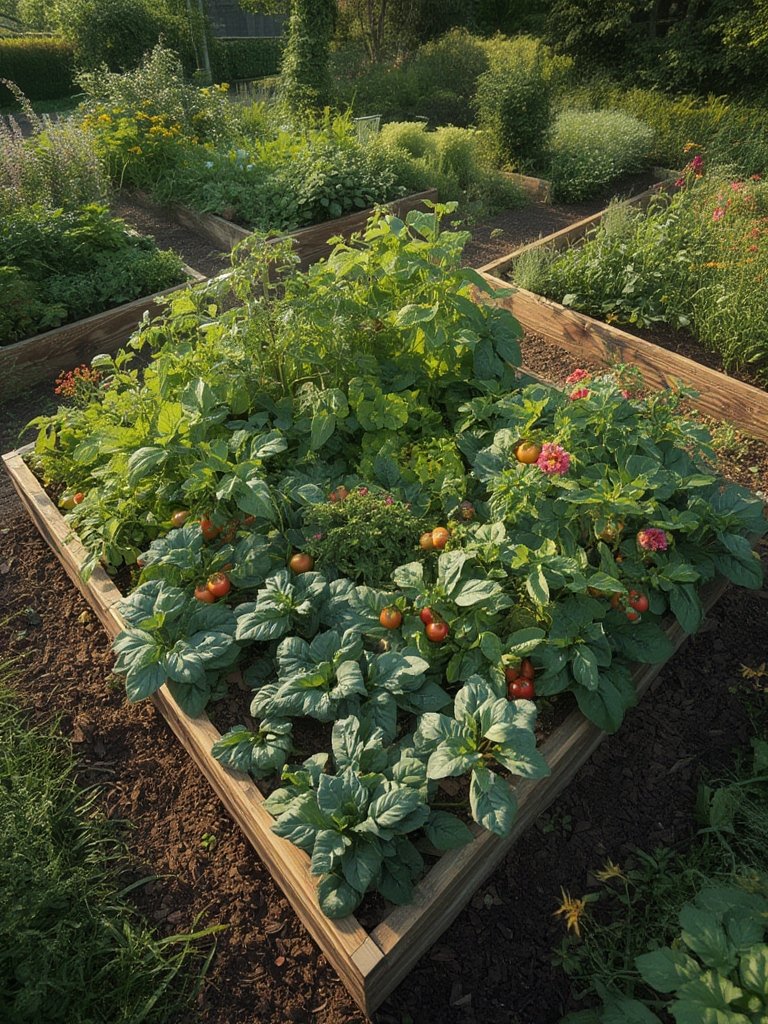
A hügelkultur raised bed is an outstanding method for anyone eager to enhance garden resilience, recycle organic waste, and cut irrigation needs. Just remember: you must invest real labor up front and account for initial settling and nutrient tie-up. With realistic planning and attention to layering, your hügelkultur raised bed can beat traditional options for water savings, fertility, and sustainability. Curious to go further? Explore sheet mulching, drought-tolerant landscaping, or composting systems to create a complete ecosystem that supports your soil and the planet. Start building your hügelkultur raised bed—and rediscover how productive, sustainable gardening can be.
Ready to transform your garden this season? Select your site, gather materials, and put these actionable steps to use. Questions or project updates? Share below!
Frequently Asked Questions
Do hügelkultur raised beds attract pests or cause environmental problems?
According to available studies and expert reviews, hügelkultur beds do not create new pest issues or environmental harm. They recycle and store organic matter, closely mimicking a natural forest floor (expert FAQ).
How often do I need to water a hügelkultur raised bed?
Once established (after 1–2 seasons), you will water less than with a traditional raised bed. During drought, some beds went nine days without water stress, compared to four days for conventional garden beds (practical trial).
Does a hügelkultur raised bed require less fertilizer?
Yes. After the first year, these beds typically require half as much fertilizer or compost as conventional garden beds, thanks to gradual nutrient release from the decomposing wood core.
What is the best wood to use in a hügelkultur raised bed?
Rotten logs of non-toxic, unsprayed softwood species (like maple, poplar, cottonwood, or birch) are best for the core. Hardwoods and even old stumps work, but will break down more slowly.
How do I fix excessive settling in my hügelkultur bed?
Plan for annual top-ups of 1–3 inches of soil or compost. Early settling is normal as the wood compacts and decomposes. Using a blend of log sizes and avoiding all wood chips slows initial shrinkage.