

Mushroom growing kit options have exploded in popularity for anyone looking to grow gourmet fungi at home without complicated sterilization and setup. Whether you’re an indoor gardening beginner or a culinary adventurer, these ready-to-use kits promise fresh mushrooms with minimal effort—but are they really worth it? In this guide, you’ll find the real-world truth about mushroom growing kits, their benefits, hidden challenges, pro tips, and how you can genuinely succeed your very first try.
Key Takeaways
- beginner-friendly, low-mess cultivation of popular varieties like oyster and shiitake, requiring only simple daily care.
- Yields and ease depend on maintaining moisture—expect 2-3 flushes per kit, with the first typically the largest.
- While entry costs are higher than DIY, kits provide fast results and valuable learning before scaling up or trying advanced edible landscaping at home.
- What Is a Mushroom Growing Kit and Why Use One?
- Step-by-Step Guide: Getting the Most from Your Kit
- Advanced Analysis & Common Pitfalls of Mushroom Growing Kits
- Conclusion: Should You Try a Mushroom Growing Kit?
- Frequently Asked Questions
What Is a Mushroom Growing Kit and Why Use One?
A mushroom growing kit is a packaged block, log, or bag infused with myceliated substrate (like sawdust or straw), making it easy for anyone to grow edible mushrooms indoors. Unlike traditional methods, you don’t need to start with spores or worry about contaminating the substrate. Popular kits focus on user-friendly varieties such as oyster or shiitake mushrooms.
Why use a mushroom growing kit? The answer is convenience. With no need for advanced equipment, pasteurization, or technical skills, these kits let you start harvesting in as little as 7–14 days. For beginners, they provide affordable, mess-free access to the world of growing mushrooms and enjoying fresh harvests you can’t buy at the grocery store. They are also a fantastic fit for apartment dwellers, culinary hobbyists, or anyone adding an eco-friendly, edible project to their home—whether you’re transitioning to a native plant lawn or exploring indoor gardening like terrarium gardens.
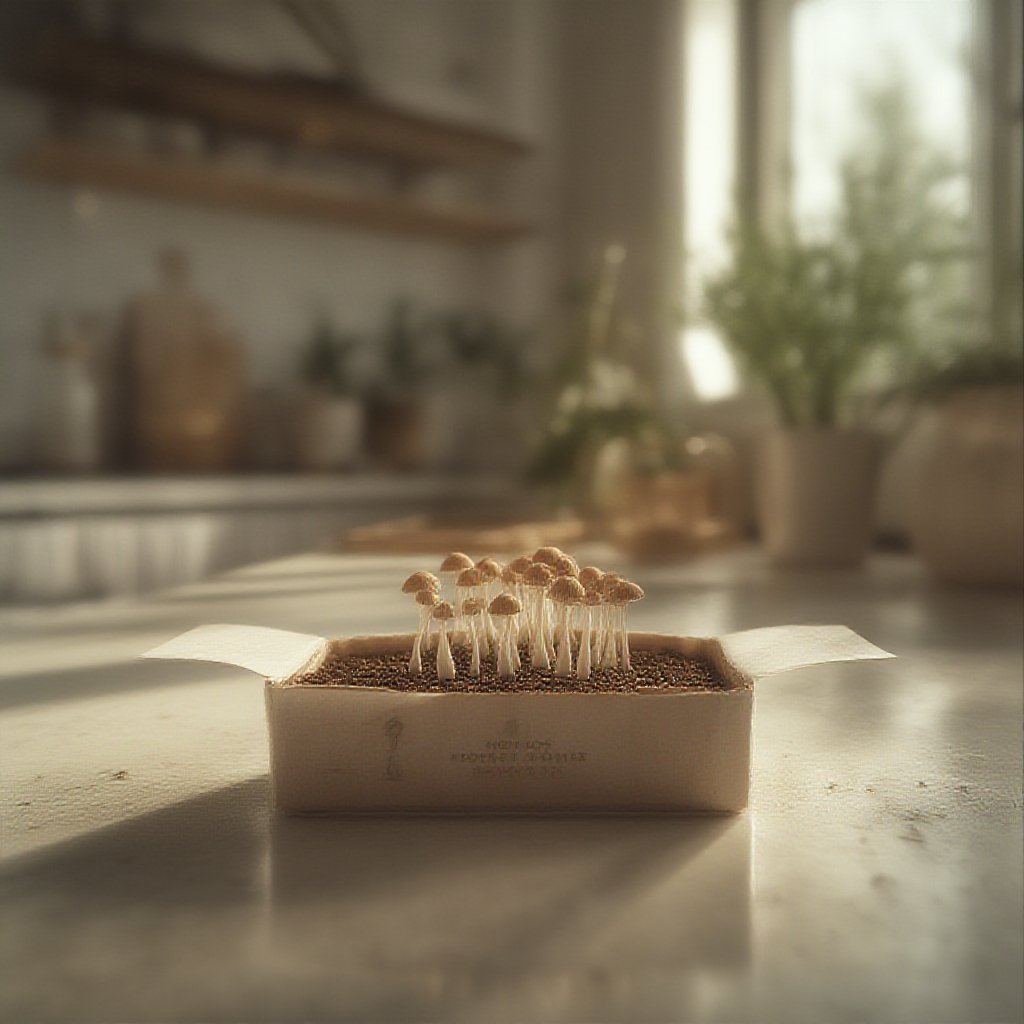
Mushroom growing kits also tie in with trends toward sustainable food production and edible landscaping, aligning with interests in edible landscaping and raised garden bed kits. They let you consciously increase food self-sufficiency and try cultivation at home with minimal risk.
However, while kits are straightforward, they’re not always foolproof. Success depends heavily on maintaining adequate moisture and humidity, as well as picking the right mushroom type for your conditions. Quality and results vary widely among kits and brands. (See: verified reviews here.)
Step-by-Step Guide: Getting the Most from Your Kit
Follow these precise steps to optimize yield and reduce frustration with your mushroom growing kit. Whether you’ve chosen oyster, shiitake, or a more gourmet variety, the process is generally similar, but pay close attention to your kit’s included instructions for best results.
- Unpack Your Kit
Remove all packaging and inspect the block or log for any obvious mold or off smells (a fresh kit will smell earthy and pleasant). - Activate the Kit
Most kits require you to cut a small hole or “window” in the bag/casing to expose the substrate. Follow specific starter instructions (some need overnight soaking to rehydrate the block first). - Place in Ideal Conditions
Set the kit in a spot that stays between 60–75°F. Avoid direct sunlight while ensuring there’s enough ambient light—a shelf, laundry room, or shaded kitchen counter are popular choices. Proper conditions matter as much as with any rewilded backyard habitat. - Maintain Moisture
Use a fine mist spray bottle to spritz the kit twice daily (ideally morning and evening). Confirm moisture by touching the surface—it should feel damp but not soggy. Consistent humidity is the #1 factor for yield. If your home is dry, add a humidity tent as detailed above. - Watch for Pins
Within 7–14 days, you’ll see tiny “pins” (baby mushrooms) emerging. Continue misting gently, avoiding overspraying the pins themselves as that can cause rot. - Harvest Carefully
When mushrooms mature—usually when caps flatten but before edges curl—gently twist and pull or cut at the base. Typically, your first flush will be the largest and best quality. Use fresh in meals or store short-term in the refrigerator. - Prepare for Next Flush
After the first harvest, repeat soaking (if instructed) and continue daily spraying. Most kits provide 2–3 flushes, but note each crop gets smaller. Many users report 3–5+ kitchen servings in total—not quite a commercial vertical garden harvest but a valuable home supplement.
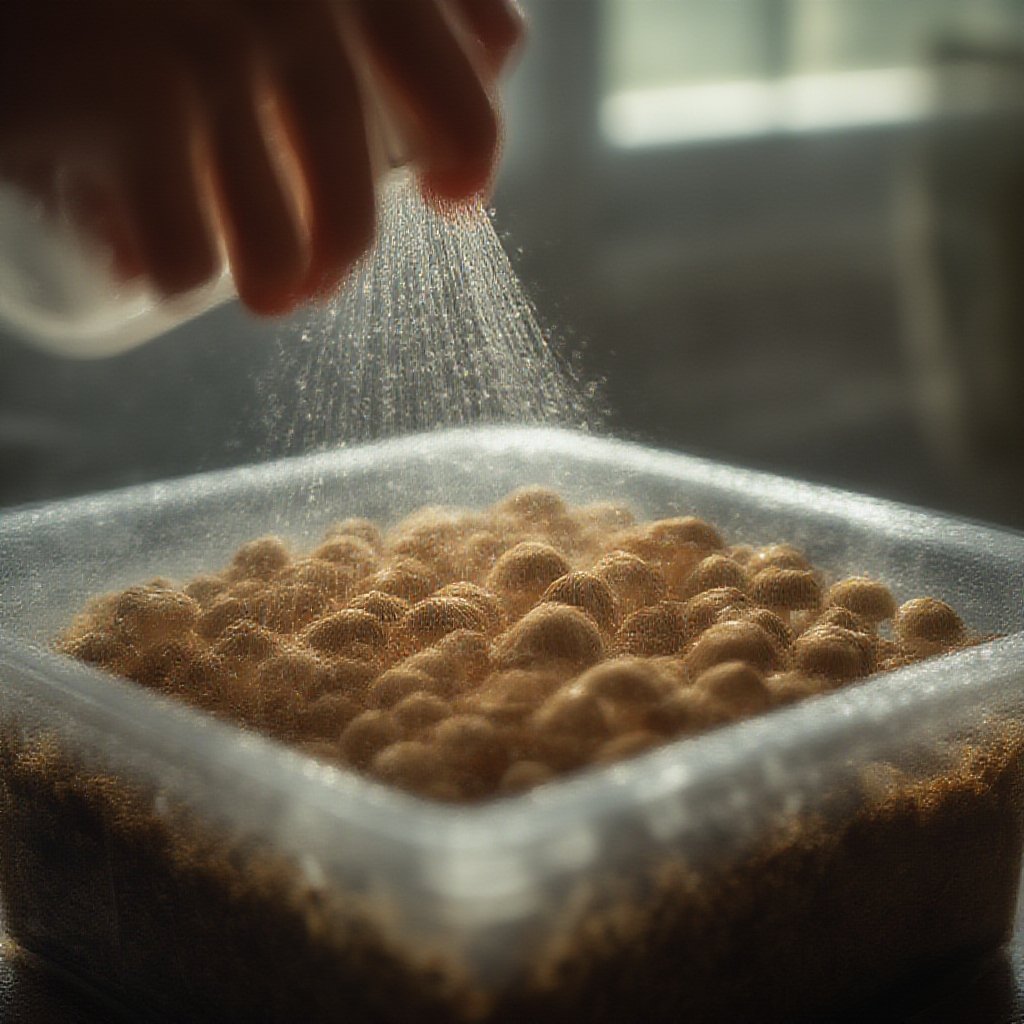
Expect each flush to take another 7–10 days to appear after soaking and resuming your misting routine. Once yields drop off, compost the spent substrate—some home growers even add used blocks to pollinator-friendly garden designs or backyard composting systems for added soil enrichment.
Advanced Analysis & Common Pitfalls of Mushroom Growing Kits
Most mushroom growing kit failures can be traced to moisture loss, contamination, or trying an advanced variety not suited for beginner kits. Arm yourself by knowing what to expect and spotting issues early.
Comparison of Popular Mushroom Growing Kits
| Feature | Kit Performance |
|---|---|
| Growth Time | Rapid first harvest in 7–14 days with diligent spraying. Most kits provide 2–3 flushes, but additional crops decrease in size and quality. Slow-growing types (like lion’s mane) may take weeks longer and have lower initial yields (see Cook Eat Repeat). |
| Yield Quantity | First crop typically provides mushrooms for up to 3 meals. Yields drop after initial flush. DIY setups or scaling up delivers better per-dollar value for bulk growers (Zombie Myco analysis). |
| Variety Compatibility | Kits excel with oyster and shiitake. Poor performance for morels, king oysters, or other slow-growers. Always match kit to your experience and patience! |
| Ease of Use | Nearly foolproof setup for beginners—ideal for first-timers and kids. Day-to-day spraying and humidity checks are mandatory for success. Results may vary based on your home’s environment (Petit Champi review). |
Real-World User Challenges
- Contamination Risk: Even with “contamination-resistant” design, exposure to unclean hands, excess condensation, or high-humidity rooms (like bathrooms) can introduce unwanted mold or bacteria. Always wash hands before misting and avoid poking or handling open substrate excessively.
- Inconsistent Yields: Verified buyers frequently report strong first harvests but spotty production after. Expect diminishing flushes and factor this into your value calculation.
- Daily Maintenance Frustration: Kits demand daily or twice-daily attention. Forgetting to spray even once can dry out the substrate and halt growth. If you travel frequently, mushroom kits may disappoint, unless paired with automated reminders or household helpers.
- Underwhelming for Hard-to-Grow Varieties: Kits for gourmet or wild mushrooms (like morels) often fail, even for experienced growers—choose beginner-friendly types if you want reliable results.
- Lack of Control for Advanced Users: After initial success, many users outgrow kits and want control over substrate, sterilization, and yields—a good sign you’re ready to try bulk methods or convert excess garden space, perhaps as part of drought-tolerant landscaping.
Cost vs. DIY and Long-Term Value
Mushroom growing kits have a moderate upfront cost, usually $15–$35 USD with shipping. While this is higher than making your own substrate from straw or hardwood pellets, it saves on time, equipment, and early learning curve hassles (see Petit Champi).
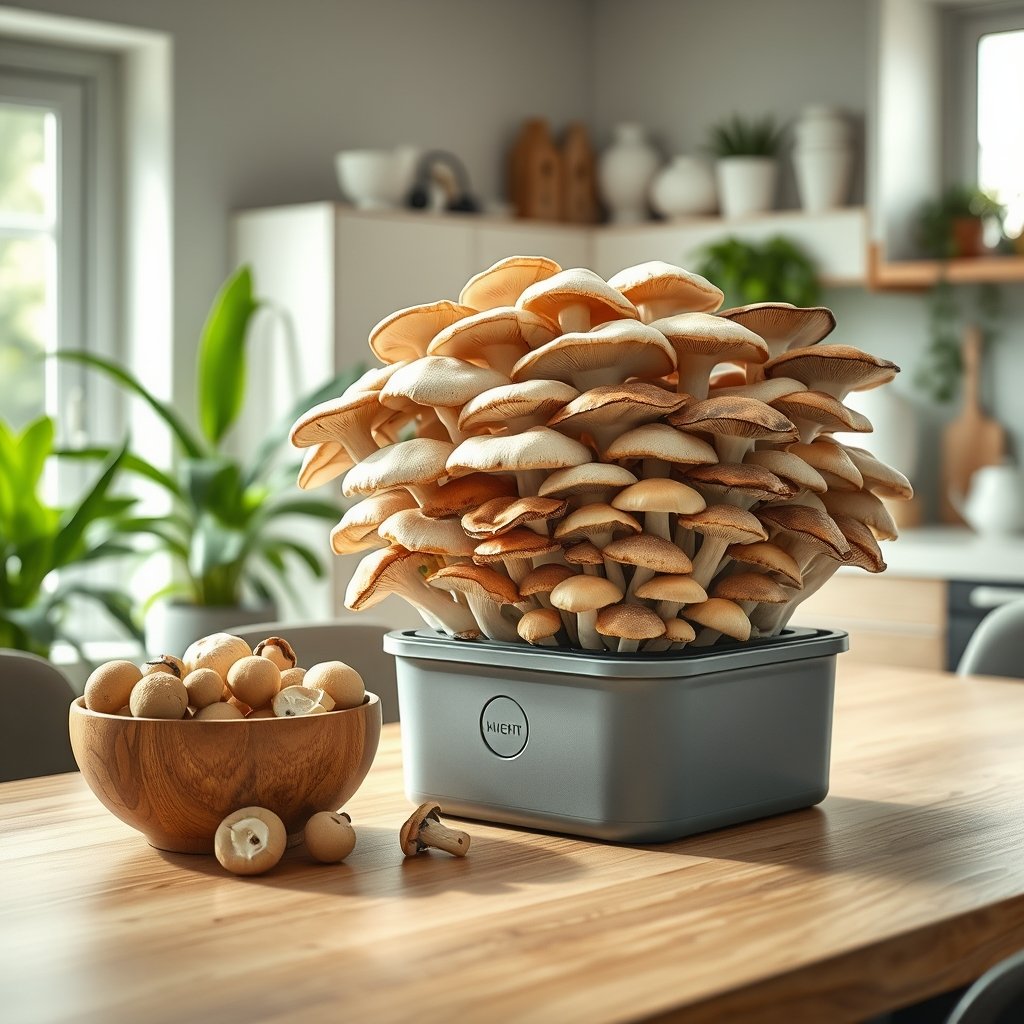
Yield per dollar favors kits for beginners, especially for trying out new varieties before investing in DIY operations or more sophisticated systems like vertical garden systems. However, the cost per pound of mushrooms is higher than bulk or outdoor log techniques, and kits rarely produce more than a few servings per cycle. Most home growers report the real payoff as hands-on learning and convenience—critical for first-timers.
Innovation and Safety
As of mid-2024, no significant technological innovation (like self-watering or sensor-based mushroom kits) has hit major markets. You’ll still need to handle daily misting and keep watch for contamination (Zombie Myco).
No special certifications or legal restrictions exist for growing gourmet mushrooms at home. Always follow kit instructions for proper handling and ensure you’re only cultivating edible, labeled varieties.
Conclusion: Should You Try a Mushroom Growing Kit?
Mushroom growing kits are a practical, low-risk way for anyone to explore growing gourmet fungi at home and producing several fresh harvests in a matter of weeks. They’re foolproof for beginners who want reliable, quick results and minimal setup. Expect upfront costs a bit higher than DIY, but with no special equipment needed, the learning value outweighs the spending for most home gardeners. If you want to experiment with edible crops or expand your gardening repertoire beyond a clover lawn or meadowscaping, a mushroom growing kit is an ideal place to start.
Ready to try your own mushroom growing kit? Pick a reputable brand, follow these steps, and enjoy truly homegrown mushrooms in your kitchen. Your next harvest could be just days away—give it a go and taste the difference for yourself!
Frequently Asked Questions
How long does it take to harvest mushrooms from a growing kit?
With most oyster or shiitake mushroom growing kits, expect to see pinning in 7–14 days and a ready-to-harvest crop within 10–20 days from activation. Second and third flushes may take slightly longer.
How many crops can I expect from a single mushroom growing kit?
Most kits produce 2–3 decent flushes (harvests), with reducing yields after the first. Some users squeeze out a fourth with optimal care, but flavor and size usually drop off.
Do I need any special equipment or skills to use a mushroom growing kit?
No special skills are required. All tools are typically included, except a spray bottle (which may be included in premium kits). Just follow the kit’s instructions and keep an eye on moisture.
Can I reuse the substrate or block for more mushrooms?
Once your kit stops producing, the substrate is usually depleted. It’s best to compost it or use it to enrich garden soil, rather than trying to regrow mushrooms.
Are mushroom growing kits safe for pets and kids?
Yes, as long as you follow instructions and keep kits out of reach of curious pets who might chew them. The kits are non-toxic and a fun family project.