

No till gardening is transforming how home gardeners manage soil, conserve resources, and grow healthier crops without disrupting underground life. If you’re tired of backbreaking tilling, frequent weeding, and rapid soil erosion, this practical no till guide will show you not just how, but why switching to no till can boost your garden’s resilience, save you time, and deliver long-term benefits.
Key Takeaways
- No till gardening improves soil structure, boosts drought resistance, and steadily increases fertility—especially when combined with cover crops.
- Transitioning can be challenging: persistent perennial weeds and customized management demands are common barriers for home gardeners.
- With proper steps, most gardens achieve stronger plant health and lower maintenance within 1-3 seasons.
- The Core Concept: What is No Till Gardening?
- Step-by-Step Guide: How to Start No Till Gardening
- Advanced Analysis & Common Pitfalls
- Conclusion
- No Till Gardening FAQ
The Core Concept: What is No Till Gardening?
No till gardening means growing crops while leaving the soil structure undisturbed. Instead of turning soil over every season, you keep roots, microbes, and worms intact, and feed the soil from above with mulch, compost, and plant residue. This method mimics natural ecosystems—think of how a forest floor builds rich, dark earth without anyone tilling it.
The science is clear: in long-term studies, continuous no till plots outperformed tilled ones after 15 years, thanks to stable soil organic carbon and improved water retention. These gardens soak up rain instead of letting it run off, resist drought and flooding, and build richer, darker soil season after season.
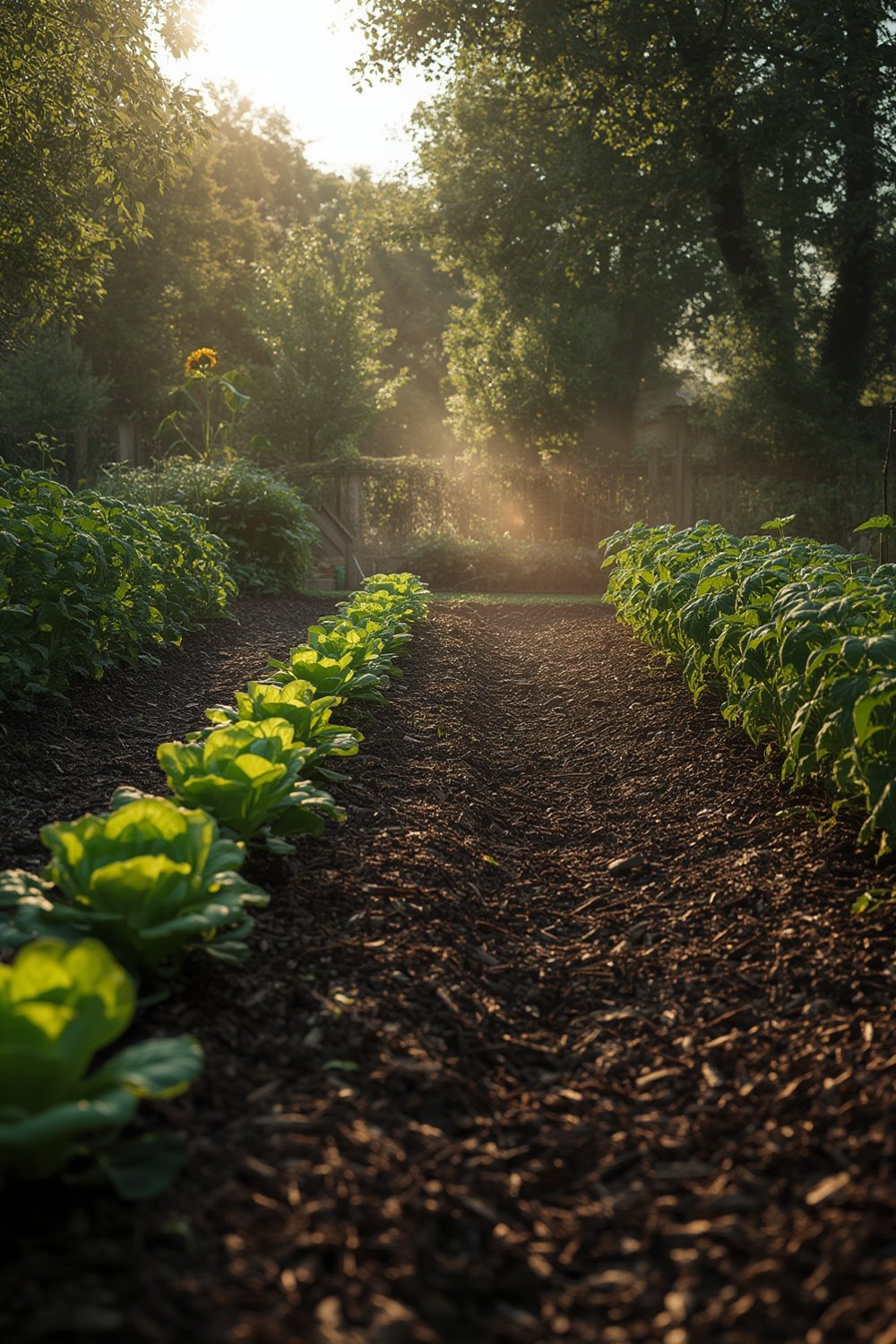
No till gardening also supports a thriving underground web of life—earthworms, fungi, beneficial bacteria—that can suppress disease, reduce fertilizer needs, and improve long-term yield. If you’re curious about related eco-friendly approaches, check out our guide to meadowscaping for a low-maintenance, wildflower-rich lawn conversion, or explore drought tolerant landscaping for additional water-saving methods that pair perfectly with no till beds.
Step-by-Step Guide: How to Start No Till Gardening
Ready to ditch the shovel? Here’s how to convert any garden bed to a productive, no till system:
- Clear the Ground: Remove large weeds and any woody debris; don’t disturb soil structure. If you’re covering existing grass, mow it short.
- Suppress Weeds: Lay down a thick barrier—cardboard or overlapping newspaper sheets—directly over the soil to block sunlight and stop weed seeds from sprouting.
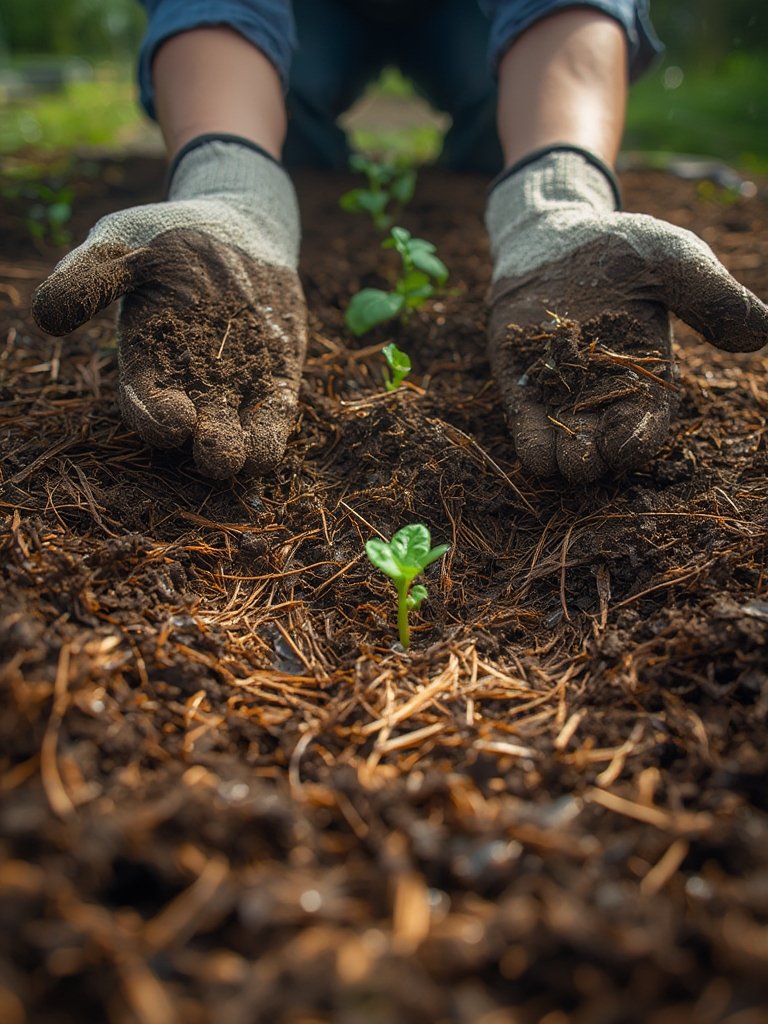
- Build Layers: Add 4-8 inches of organic mix on top—compost, aged manure, chopped leaves, or straw. This feedstock decomposes naturally, feeding soil organisms from above.
- Plant Right Into the Mulch: Push aside mulch just enough to tuck in seeds or seedlings.
- Maintain: Top up mulch and organic matter through the season and especially before winter. Rotate crops and use cover crops for maximum benefit.
Small space? Try raised garden bed kits—no till principles work perfectly with imported soil and layered materials. Pairing with smart irrigation can further optimize water savings in your planting beds.
Advanced Analysis & Common Pitfalls
No till gardening isn’t magic—expect some trade-offs and new challenges, especially in the first couple of years. Here’s what research and real gardeners have discovered:
Biggest Challenges
- Persistent Perennial Weeds: Without tillage, perennial weeds like bindweed, quackgrass, and creeping charlie can become problematic. Mulch and sheet barriers help, but manual removal or targeted treatments are needed in stubborn spots.
- Transition Year Lags: The first year, especially when starting on compacted or depleted soil, can see slow crop growth as the underground ecosystem rebuilds. This lag is temporary and usually resolves by year two or three.
- Mulch Shortages: Consistent mulch sources can be a bottleneck for large beds. Grass clippings, fall leaves, and cover crops help close this gap. Mulch Shortages
- Pest Shifts: Surface crop residue can shelter some slugs, sowbugs, and rodents. Encourage beneficial predators (like ground beetles) and avoid over-watering.
- Variable Results by Region: Sandy or low organic matter soils often show the quickest improvement. Heavy clay soils require more patience and thicker mulch to prevent compaction.
Methods Compared: Startup and Maintenance Demands
| Method | Start-Up Intensity | Annual Maintenance | Best For |
|---|---|---|---|
| Lasagna Gardening | Medium – Layering of cardboard, compost, mulch | Add new layers yearly; replenish mulch | New or weedy areas, raised beds |
| Sheet Mulching | Low to Medium – Cover with paper/cardboard + organic matter | Top-up mulch annually | Suppressing old lawn, quick conversions |
| Living Soil Method | High – Building active, biologically-rich soil | Careful observation, ongoing microbial feeding | Intensive veggie beds, perennial gardens |
While lasagna gardening and sheet mulching have similar core steps—layering organic matter without turning soil—the living soil approach demands more attention to compost teas and worm populations. All require ongoing mulch application. For deeper biodiversity and pollinator support, consider blending beds with a pollinator garden design to further diversify beneficial insects and soil fauna.
Financially, no till can deliver real savings over time. Studies show up to 80% reductions in fuel and 50% less labor for production-scale systems (source). Even for homeowners, time spent tilling, hauling, and weeding drops. Composting systems also become more valuable in no till gardens by producing weed-free organic matter to keep your soil top-dressed.
What Research Still Doesn’t Tell Us
- Biodiversity metrics: While worms and beneficial fungi increase, no consistent, quantitative numbers are published for backyard plots.
- Home-scale costs: Most studies focus on broad farms, not on the expense and time needed at the residential scale.
- Integrated Weed Management: There’s little data on organic protocols for tackling aggressive perennial weeds without some spot tilling or physical removal.
Conclusion
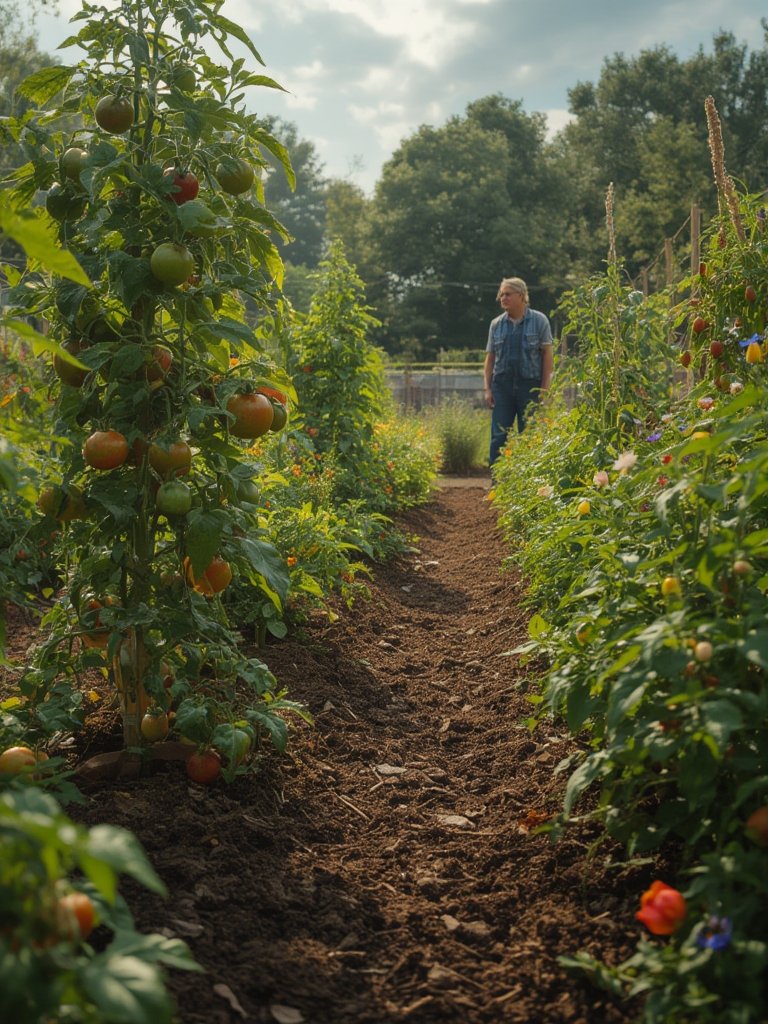
No till gardening offers a proven way to strengthen soil resilience, reduce labor, and support a healthier, more abundant home food supply over time. While the transition can demand patience as weed pressure and mulching systems stabilize, most gardens see dramatic improvements in structure, fertility, and drought-hardiness by year three. Ultimately, adopting no till gardening in your yard is a direct action for climate resilience—locking more carbon in the soil and protecting water for future harvests.
Ready to get started? Begin with a single bed or combine no till with native plant lawns or a clover lawn for a holistic, low-input landscape. If you’re serious about ecosystem gardening, check out our steps for backyard rewilding and create a truly self-sustaining property.
No Till Gardening FAQ
Does no till gardening really work in heavy clay soils?
Yes, but it takes patience. Apply thick, coarse mulch year-round and avoid compaction. Over time, worms and microbes improve drainage. Results will lag behind sandy or loamy soils but improve steadily with persistence.
How do I deal with persistent weeds in a no till garden?
Layering cardboard and mulch is essential for suppressing annual weeds. For established perennials, remove by hand or target them with boiling water or solarization. Spot tillage can be used as a last resort—just remember, even one tillage pass can disrupt years of soil health gains.
Can I start no till gardening if my beds are already established?
Absolutely. Simply stop tilling, keep adding organic mulch, and let roots rot in place after harvest. Infilled beds using the raised garden bed method make the transition even easier and consistent.
Are there extra pest or disease risks with no till?
Some surface-dwelling pests (like slugs) can become more common when residue is heavy and the soil stays moist. Encourage natural predators, avoid overwatering, and clean up infested mulch to keep populations in check. Most diseases decrease over time as soil biology strengthens.
What’s the fastest way to build up soil fertility in no till systems?
Layer high-quality compost, plant diverse cover crops, and use chopped fall leaves as topdressing. Incorporate green manures and limit disturbance to let organic matter accumulate, forming nutrient-rich soil within 1-2 growing seasons.