

### Blog Post:
Vertical garden system installations are transforming city spaces, making it possible to grow lush greenery and fresh food even in the smallest urban patios or balconies. But setting up these living walls isn’t as simple as hanging a few pots—there are real-world obstacles, costs, and technical details that most guides skip. If you want a realistic, step-by-step approach to choosing and maintaining a vertical garden system, keep reading to avoid costly pitfalls, maximize your results, and create a thriving urban oasis.
Key Takeaways
- Vertical garden systems offer scalable solutions for city living but come with high setup costs and require careful upfront planning.
- Real-world obstacles include regulatory restrictions, ongoing maintenance, and plant health challenges in unpredictable urban climates.
- Smart technology, modular designs, and community knowledge sharing are key to success, especially in compact or shared spaces.
- 1. The Core Concept: What Is a Vertical Garden System and Why Use One?
- 2. Step-by-Step Guide: How to Plan, Set Up, and Sustain a Vertical Garden System
- 3. Advanced Analysis & Common Pitfalls: Realistic Problems, Costs, and Solutions
- 4. Conclusion: Next Steps for Your Urban Vertical Garden System
- 5. Frequently Asked Questions
The Core Concept: What Is a Vertical Garden System and Why Use One?
A vertical garden system is any modular, upright arrangement for growing plants on building walls, fences, or free-standing structures. Unlike traditional gardens, these systems capitalize on vertical space, making them ideal for apartments, patios, balconies, and tight urban yards where ground area is limited.
Recent market reports show surging growth: the global vertical garden construction market reached USD 1.09 billion in 2024 and continues to expand rapidly, driven by urbanization, demands for sustainable building, and a major shift toward eco-conscious architecture (source). In fact, indoor vertical gardens alone are projected to rise from USD 5.5 billion in 2025 to USD 22 billion by 2030 as millennials and urban professionals embrace wellness trends (source).
Vertical systems don’t just look good. They cool buildings, improve air quality, boost biodiversity, and provide opportunities for homegrown vegetables and herbs even when space is at a premium. For inspiration on other sustainable landscape trends, see resources on native plant lawns or the meadowscaping movement.
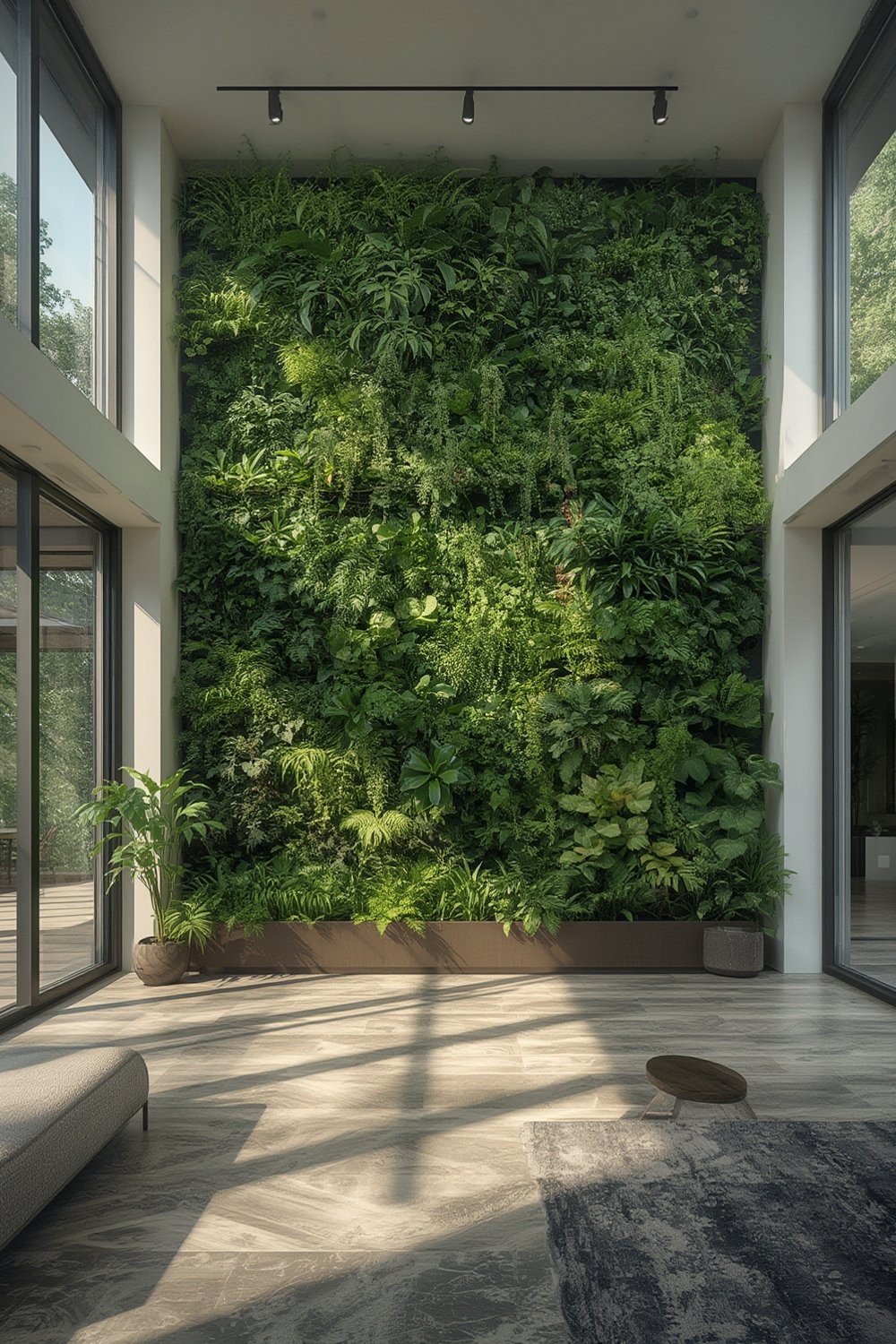
But installing a vertical garden system in a city comes with special technical, financial, and regulatory challenges you need to plan for from the start.
Step-by-Step Guide: How to Plan, Set Up, and Sustain a Vertical Garden System
Most garden failures stem from skipping crucial steps or underestimating ongoing demands. Use this realistic step-by-step process to maximize success and minimize frustration.
- Check building codes and HOA rules first. Before investing, confirm that your building or city allows vertical garden systems on exterior or shared walls. Many cities have zoning codes or food safety rules affecting installation (source).
-
Choose the right system for your space. Compact urban yards and patios benefit most from modular, wall-mounted or freestanding systems made of recyclable or lightweight materials (source). Prioritize systems that allow for future expansion and use in variable weather.
- Consider water-wise or drought-tolerant solutions if exposed to sun/wind.
- For food production, check if tower garden planters or stackable wall planters suit your goals—it’s about balancing yield, cost, and available sunlight.
- Confirm wall strength and weight limits. Before mounting, make sure your wall or railing can support the saturated weight of a planted system. Few manufacturers publicly state actual weight/m2 numbers, so always add extra safety margin and ask for load data.
- Install smart or automatic watering if possible. Consistent watering and drainage is the top challenge in maintaining vertical garden health. Drip irrigation or integrated smart irrigation systems work best for minimizing manual labor and preventing plant loss. Learn more about smart irrigation systems for urban settings and soil moisture monitoring.
- Plan for variable lighting and microclimates. Use grow lights or select shade-tolerant species if sunlight is limited—failure to adapt to light variability is a primary reason for indoor garden decline.
- Schedule regular maintenance and pruning. Even automated systems need periodic cleaning, nutrient refresh, pest monitoring, and deadheading. Urban environments are tough on plants, with pollution and occasional lapses in care.
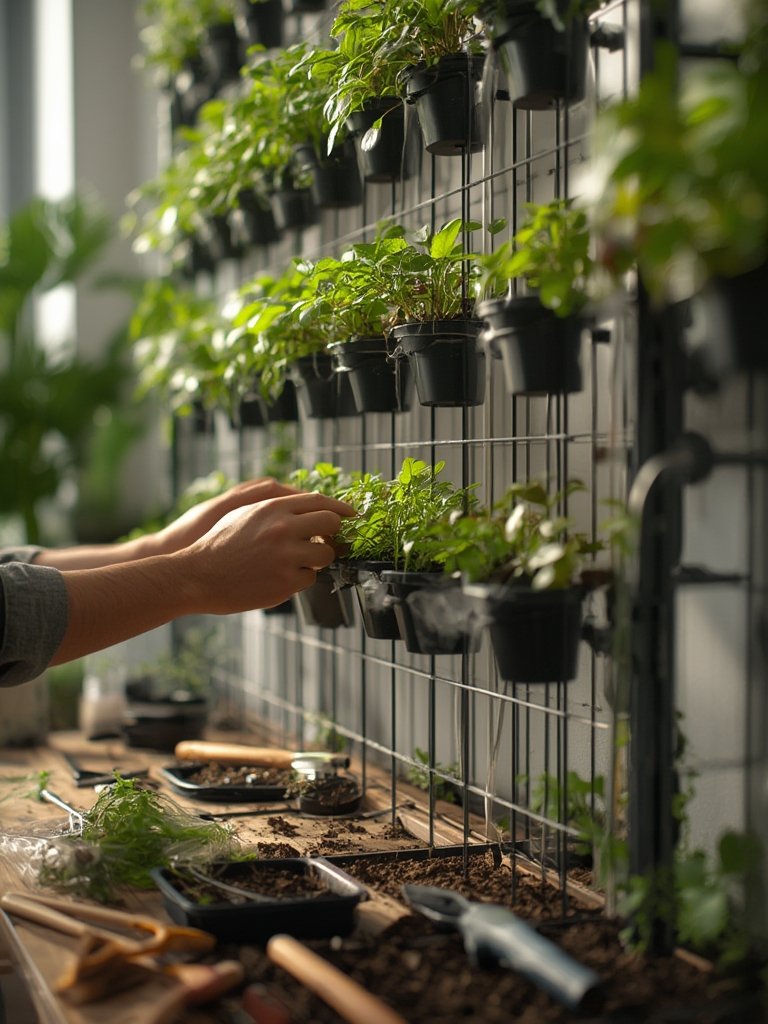
Continue to educate yourself on plant selection and low-water design, like with a rain garden or even a desktop terrarium garden for ultra-small spaces.
Advanced Analysis & Common Pitfalls: Realistic Problems, Costs, and Solutions
Even the best-designed vertical garden system can fail due to overlooked issues. Here are the key pitfalls—along with honest analysis and actionable solutions based on current research data.
Installation & Maintenance Costs (2024 Data)
Costs remain one of the main barriers for homeowners, renters, and even office managers. Latest data show overall vertical garden construction spends reached USD 1.09 billion in 2024, with modular and living wall systems commanding premium prices in urban areas (source). No credible sources publish per-system prices, but expect:
- High upfront install costs for commercial-grade or “living wall” systems, often thousands per wall installed.
- Ongoing expenses for maintenance, water, nutrients, repairs, and monitoring (especially with smart tech).
- DIY costs are lower but labor-intensive and often less durable.
| System Type | Typical Use Case | Est. Upfront Cost | Maintenance Demands |
|---|---|---|---|
| Wall-Mounted Modular Panel | Balcony, Fence, Urban Patio | $$–$$$ (High, more for custom) | Moderate: Cleaning, irrigation, plant turnover |
| Tower Garden Planters | Veg/Fruit on Patios or Yards | $$ (Variable, plus smart tech adds cost) | High: Water, nutrients, pests |
| DIY Hanging/Bucket System | Ultra-Compact Spaces | $ (Low but more manual labor) | High: Manual watering, low tech, less durable |
Common Pitfalls
- Setup costs and technical barriers. Many users underestimate the cost of even entry-level setups. Advanced features—like automated irrigation or climate control—increase both installation and long-term expenses. If budget is tight, start small and grow with experience.
- Lighting and climate inconsistency. Urban buildings cast unpredictable shadows, and interior setups often lack enough natural light. Many living walls fail without supplemental grow lighting or careful plant selection. Shade-tolerant ground covers (like those used in a Pennsylvania sedge lawn) can offer inspiration for low-light spaces.
- Poor air or water quality. Pollution, dust, and low humidity inside cities hinder healthy plant growth. Investing in air/water filters, or using resilient native plants, can help address these factors.
- Bureaucratic and regulatory hurdles. Many city residents abandon projects after hitting roadblocks with building codes, HOA rules, or zoning laws. Research and advocacy are necessary—few competitor articles discuss this.
- Equity barriers. High up-front costs and lack of skill-sharing exclude many low-income communities from accessing the benefits of vertical gardens. Community projects and open-source resources are crucial for broader adoption (source).
- Maintenance burnout. Without automation, ongoing labor requirements can sap motivation, especially in high-demand vegetable gardens. If managing a large or complex system, consider breaking it into manageable zones or sharing responsibilities with neighbors.
Measurable Benefits (Evidence & Limitations)
- Urban vertical garden systems demonstrably improve air quality, support greater biodiversity, and reduce heat island effects more efficiently than ground-level traditional gardens in dense areas (source).
- Yield per square foot varies by plant type, system, and whether automation is in place. Automated irrigation and nutrient delivery consistently outperform manual care.
- For those with ultra-compact spaces, consider integrating vertical systems with low-mow lawns or permeable pavers for added sustainability (permeable paver reference).
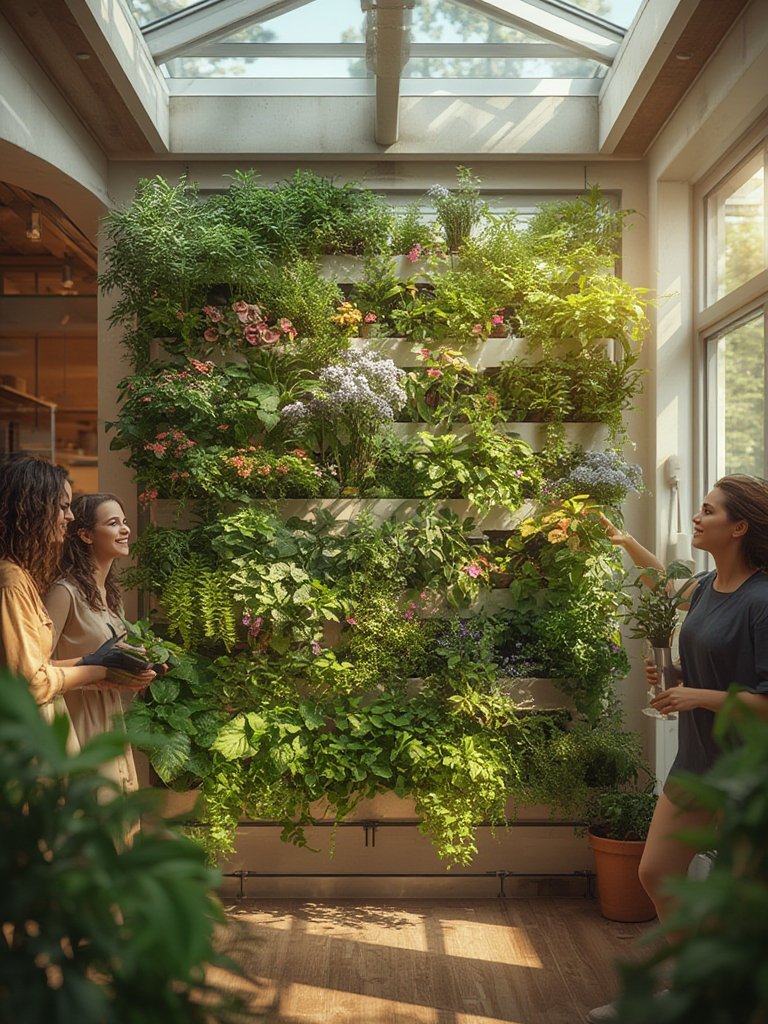
Conclusion: Next Steps for Your Urban Vertical Garden System
Choosing, installing, and maintaining a vertical garden system in an urban environment is realistic and deeply rewarding—but only when you anticipate costs, technical demands, and local regulations upfront. Smart tech, modular designs, and careful plant selections are game changers for balconies, patios, or compact city yards. Don’t get discouraged by the learning curve—start small, seek out community, and build on real-world experience.
If you’re serious about greener city living, let a well-planned vertical garden system transform your space. Begin your research, evaluate your options, and take the first step—your future urban oasis can thrive, even a few stories above the ground.
Frequently Asked Questions
What is a vertical garden system and how does it differ from traditional gardening?
A vertical garden system is a modular arrangement designed to grow plants upright on walls or vertical structures, maximizing green space in compact or urban settings where ground area is limited. Compared to traditional flat garden beds, these systems allow for gardening even on balconies, patios, or building facades.
How much does it cost to install and maintain a vertical garden in 2024?
Costs vary widely. Professional living wall systems can be several thousand dollars installed, with ongoing expenses for automated watering, nutrients, and maintenance. DIY wall planters are less expensive but require more manual care. Rising market demand and smart tech are increasing prices but also enhancing features.
What technical issues should I consider before setting up a vertical garden system?
Make sure your wall or railing can hold the system’s weight when fully watered, provide reliable drainage, check local codes and HOA rules, ensure enough natural or supplemental light, and plan for regular maintenance. Always factor in urban pollution and microclimate variability.
Are there affordable options or ways to make vertical gardens more accessible?
Starting small with DIY solutions, joining community garden groups for shared resources, or using recycled materials can make vertical gardening more affordable. Advocacy for inclusive policies and open-source education can help overcome equity barriers in underserved communities.
Do vertical garden systems actually help with urban cooling and air purification?
Yes—research shows that green walls reduce urban heat island effects, purify indoor and outdoor air, and improve biodiversity, especially when compared to traditional gardens in dense city environments. Effectiveness depends on plant selection, system design, and ongoing care.
—