

slow feeder bowl solutions can transform how your dog eats—helping prevent dangerous bloating, encouraging mental stimulation, and making every mealtime safer and more satisfying for your pet.
Key Takeaways
- Slow feeder bowls reduce the risk of choking, vomiting, and bloat in dogs by slowing their eating speed and improving digestion.
- Puzzle feeders and slow eating bowls deliver cognitive enrichment, reducing destructive behaviors and perceived hunger.
- Not all slow feeder products are created equal—material safety, proper sizing, and cleaning ease are essential but often overlooked by buyers.
- What Is a Slow Feeder Bowl and Why Does It Matter?
- How to Use a Slow Feeder Bowl Effectively
- Common Pitfalls & In-Depth Analysis
- Conclusion
- Frequently Asked Questions
What Is a Slow Feeder Bowl and Why Does It Matter?
A slow feeder bowl is a feeding dish designed with ridges, spirals, or mazes that force your dog to maneuver food out incrementally instead of gulping down entire meals in seconds. The science-backed goal is simple: slow down your dog’s eating to promote smaller bites, more thorough chewing, and healthier digestion. This approach helps prevent serious medical conditions like gastric dilatation-volvulus (bloat), regurgitation, and choking, especially in large breeds and multi-dog households.
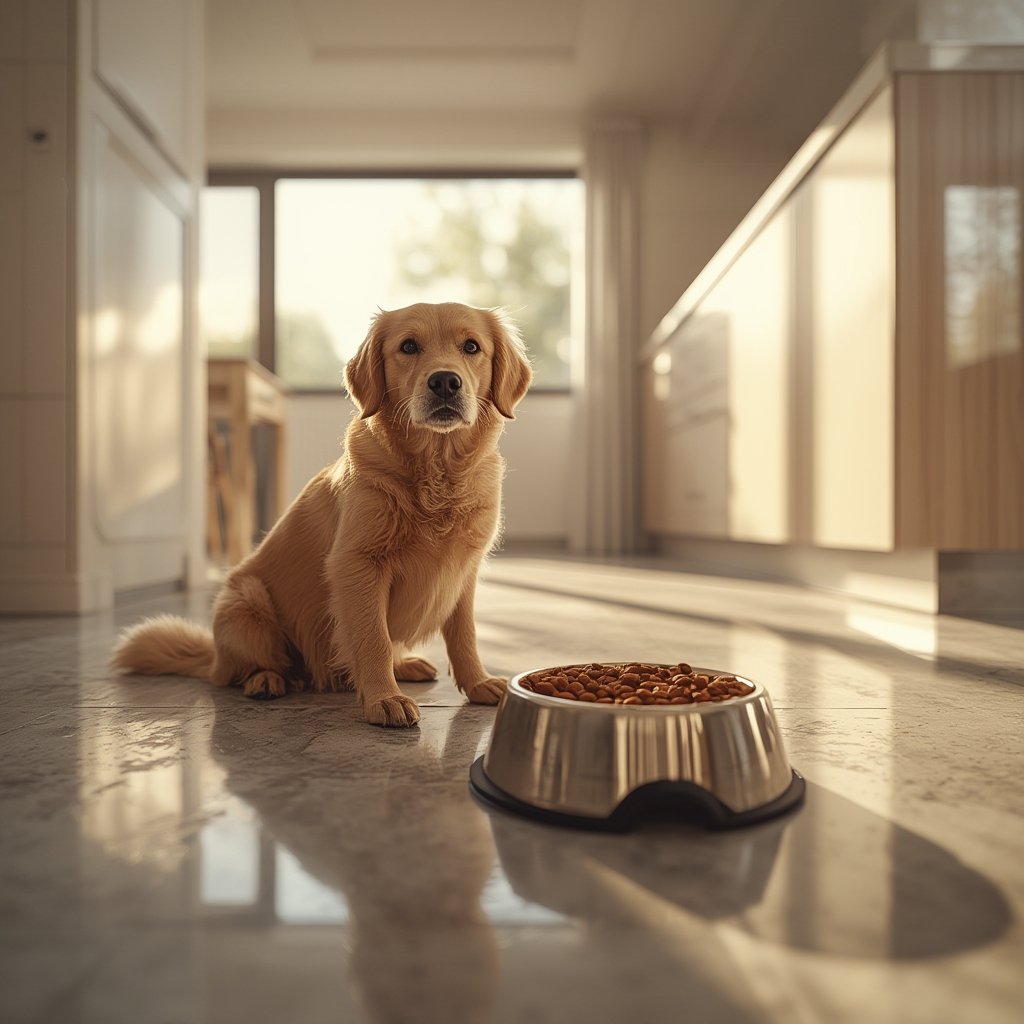
According to veterinary research, dogs using a slow feeder bowl ate significantly slower—even after getting used to the new bowl. Slower eating directly reduces air swallowing (a factor in bloat), decreases vomiting risk, and leads to a 70% reduction in regurgitation episodes among at-risk breeds like Great Danes (source, source). cognitive puzzle feeder products use interactive elements to make dogs “work” for every morsel—mimicking wild foraging and enhancing mental enrichment (source).
In recent years, the global slow feeder bowl market has expanded rapidly—valued at $650 million in 2024, it’s expected to reach $1.12 billion by 2033 (source). More pet parents see slow eating bowls as essentials—not luxuries—to safeguard their animals’ health and provide vital daily enrichment.
How to Use a Slow Feeder Bowl Effectively
Getting the most from your dog’s slow feeder bowl isn’t one-size-fits-all. For true results, follow a structured process and consider your dog’s unique needs and eating style. Here’s how to do it:
- Select the right slow feeder bowl for your dog’s size and snout shape.
- Toy or flat-faced breeds often do best with shallow mazes or slow eating plates, while large or long-snouted dogs need deeper, more complex designs.
- Opt for bowls made from BPA-free food grade plastic or stainless steel whenever possible for safety—though some pets prefer ceramic or silicone. If in doubt, look for veterinary endorsements.
- Start with small meal portions while your dog learns.
- Begin with just a third of a normal portion in the slow feeder bowl, letting your dog adjust to the slower eating experience.
- Increase complexity as your dog adapts.
- Once basic patterns are mastered, rotate in puzzle feeders or multi-chamber bowls to keep meals mentally stimulating. For extra enrichment, swap regular dry food for a blend of crunchy kibble and soft stew.
- Monitor for frustration or food guarding in multi-dog homes.
- Use barriers (like baby gates) or staggered meal times if any aggression or competition arises.
- Clean bowls thoroughly and frequently to prevent buildup
- Many slow feeder bowls are dishwasher-safe, but always double check. Use a bottle brush to scrub stubborn residue from maze grooves.
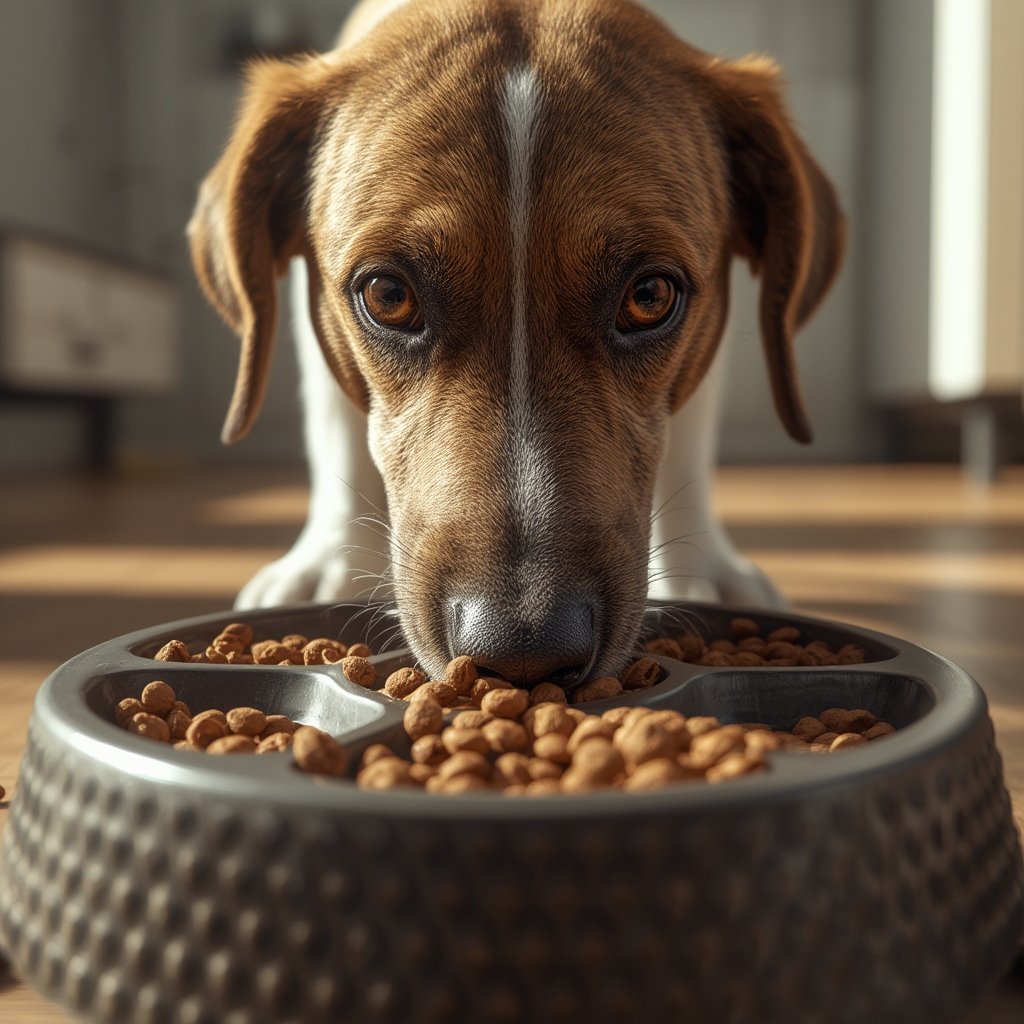
- Supplement with puzzle feeders for extra enrichment.
- A puzzle bowl session can provide the same mental stimulation as a 30-minute walk in just 15 minutes, supporting both cognitive health and daily energy needs (source).
- Try mixing in other enrichment products like smart pet feeders to optimize portion control and scheduling—especially if your work schedule changes or you’re away from home.
Common Pitfalls & In-Depth Analysis
While slow feeder bowls and puzzle feeders offer tangible benefits, realistic challenges can impact their effectiveness and satisfaction for both owner and pet. Here’s what to watch out for according to current research and market insights:
- Dogs adapt and speed up eating over time — One study found that after an initial slowdown, dogs gradually learned to extract food faster. While eating rates always remained slower than with standard bowls, efficacy can drop long-term, especially without changing feeder styles regularly (source).
- Cleaning can be tedious — Deep grooves and narrow maze sections trap bits of food, requiring careful brushing—particularly for wet or raw meals (raw pet food users should note stubborn residue in plastic designs).
- Material safety and breed fit — No comprehensive certification database exists for slow feeder bowls as of 2024. Buyers need to scrutinize materials for BPA, phthalates, and hardness to match chewing strength (especially in power chewers).
- Not suited for every dog or meal type — While most dogs benefit, some may find complex patterns frustrating, especially brachycephalic (flat-faced) breeds, or those with dental or neurological issues.
| Factor | Slow Feeder Bowl | Puzzle Feeder Bowl |
|---|---|---|
| Primary Benefit | Reduces gulping, lowers bloat risk | Cognitive enrichment, slows feeding |
| Ease of Cleaning | Easy to moderate (varies by design) | Often difficult due to moving parts |
| Breed Suitability | Good for most, best for large/deep-chested | May not suit flat-faced or disabled dogs |
| Material Safety | Varies (check BPA-free or stainless steel) | Varies (some silicone/plastic options) |
| Long-Term Efficacy | Lowers with habituation | Lowers over time, swap types for best results |
| Price Range (2024) | Data not specified; budget to premium models exist | Data not specified; generally higher-priced |
Three important but under-discussed use-cases for slow feeder bowls:
- Multi-dog environments: Implementing slow eating bowls can reduce competition and meal-time stress—lowering the chance of “resource guarding” and panic eating. For more stress solutions, see cat calming collar insights for felines, which crossover with canine anxiety reduction techniques.
- Weight management: By slowing the meal pace and increasing satiety signals, slow feeders and puzzle bowls can help reduce overeating and begging—key to a sustainable weight loss plan. Pair with functional foods like probiotic pet supplements for optimal gut health.
- Long-term engagement: Habituation is real—swap feeder types, rotate puzzles, or integrate pet dental chews and other oral health treats to keep things novel and interesting.
Conclusion
Used consistently and thoughtfully, a slow feeder bowl is one of the simplest, evidence-driven ways to enhance your dog’s health, minimize risk, and add daily enrichment. While not a magic fix—dogs may adapt quickly, and cleaning can be intensive—the benefits for digestion, mental health, and weight management are real.
Ready to make the change? Choose a slow feeder bowl that matches your dog’s unique shape and needs. Rotate designs, pair with engaging puzzle feeders, and stay attentive to your pet’s comfort. For holistic well-being, consider feeding a diverse diet (explore our raw pet food guide), and track mealtime habits. Your dog’s next meal could be the safest and most satisfying one yet.
Act now: give your dog the healthy, engaging mealtime ritual they deserve.
Frequently Asked Questions
Are slow feeder bowls safe for all dog breeds?
Most breeds benefit, but flat-faced dogs or those with certain dental or neurological issues may struggle with complex patterns. Always supervise and consider trying shallower, simpler designs.
How often should I clean my dog’s slow feeder bowl?
You should clean the bowl after every use—especially if using wet or raw food. Use a bottle brush for deep grooves, and confirm dishwasher safety with your chosen model.
Can slow feeder bowls really prevent bloat?
Research shows that slow feeder bowls decrease eating speed, reduce air swallowing, and lower regurgitation risk—factors in bloat prevention. While no bowl can guarantee bloat prevention, especially in high-risk breeds, slow feeders are recommended as part of a complete risk-reducing strategy.
Do slow feeder bowls help with dog weight loss?
Yes—slower eating naturally boosts satiety signals, helping dogs feel fuller on less food and reducing overeating. For overweight pets, combine a slow feeder bowl with portion control and regular exercise.
Are there any dogs who shouldn’t use a slow feeder bowl?
There are no official veterinary contraindications as of 2024. However, some dogs with special needs may dislike or avoid them. Monitor for frustration and consult your vet if your dog seems consistently stressed at mealtime.