

### Blog Post:
Backyard rewilding is rapidly transforming how homeowners approach landscaping, offering a practical path toward restoring biodiversity, supporting pollinators, and reducing ongoing maintenance burdens. Instead of fighting nature with intensive mowing, fertilizing, and chemical weed control, rewilding invites you to partner with local ecosystems—using native plants and habitat features that sustain birds, bees, and butterflies. But rewilding your backyard comes with its own learning curve and isn’t a quick fix. Here’s what to know before you dig in.
Key Takeaways
- Backyard rewilding replaces traditional lawns with native plants and natural habitats—supporting biodiversity while lowering maintenance.
- An estimated 12% of US adults are converting lawn areas to wildflower or natural landscapes and 28% are planting for pollinators (2024 data).
- Practical challenges include sourcing native plants, dealing with weedy invasives, and navigating local yard regulations.
- What Is Backyard Rewilding and Why Should You Try It?
- How to Rewild Your Backyard: Step-by-Step Guide
- Advanced Analysis & Common Pitfalls
- Conclusion
- Frequently Asked Questions (FAQ)
What Is Backyard Rewilding and Why Should You Try It?
Backyard rewilding is the process of intentionally converting parts—or all—of your turfgrass lawn into a more naturalistic landscape using native plants, shrubs, and habitat elements. The aim is to create conditions where pollinators, birds, and native wildlife can thrive while reducing the need for mowing, fertilizing, and watering. This approach sees the yard as part of the local ecosystem, supporting soil health, carbon sequestration, and urban resilience.
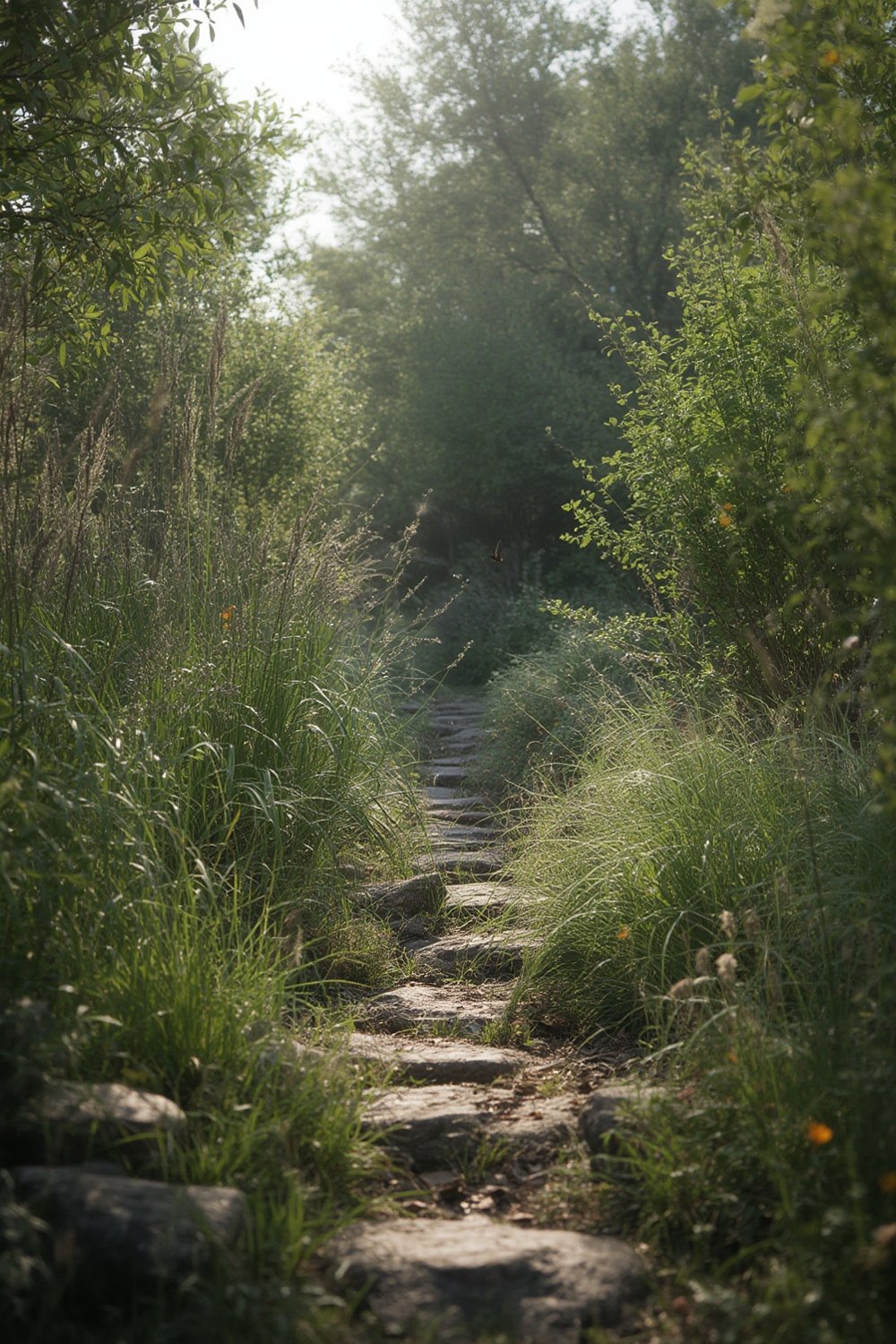
The concept reflects a major mindset shift—from trying to control nature, to designing in harmony with it. In 2024, according to a national survey, 12 percent of American adults are already converting parts of their lawn to natural or wildflower gardens, while 28 percent are planting specifically to benefit native bees, butterflies, and birds.
Why try backyard rewilding? Traditional lawns consume immense amounts of water, fertilizer, and fossil fuels while providing little value for wildlife. By contrast, rewilded yards boost biodiversity, provide vital food and shelter for pollinators, and can even save time and money in the long run. Other popular low-maintenance alternatives include a native plant lawn or meadowscaping with prairie species and wildflowers. The benefits go beyond your own property—healthy yards can create vital habitat corridors in urban and suburban areas.
How to Rewild Your Backyard: Step-by-Step Guide
The transition to backyard rewilding involves careful planning and some patience. Below is a practical roadmap for homeowners ready to make the switch:
- Assess your yard and set realistic goals.
- Observe sun, shade, moisture, soil type, and existing plants.
- Decide whether to rewild the entire lawn, a back border, a shady corner, or a high-traffic side yard. A phased approach eases the learning curve.
- Plan for pollinators and wildlife.
- Prioritize native plant species suited for your region. Avoid annuals that require constant replanting, and opt for perennials and grasses adapted to local conditions.
- Incorporate structural diversity—layer canopy trees, shrubs, flowers, and groundcovers. This creates habitats for a broader range of birds and insects.
- Source regionally native plants (not cultivars).
- Native plant nurseries, botanical societies, and eco-minded garden centers often offer the best selection. Ask for straight species, as many commercial cultivars do not support pollinators as effectively.
- If rewilding appeals but you need a classic lawn look, try a Pennsylvania sedge lawn or eco-friendly clover lawn instead of turfgrass.
- Prepare your site for planting.
- Suppress existing turf with layers of cardboard topped with mulch, or manually remove sod if you have the muscle.
- Avoid excessive disturbance—tilling can invite weeds. Leave soil biology intact when possible for long-term health.
- Plant thoughtfully for year-round interest.
- Group similar species in informal drifts. Plant densely to shade out weeds and reduce watering needs.
- Include wildflowers and grasses with different bloom and seed times to feed pollinators and birds for longer.
- Embrace messy (to a point).
- Leave flower stalks and seed heads for songbirds. Let leaf litter accumulate in some areas to shelter overwintering insects.
- Balance “wild” with intention—keep edges tidy to signal purposeful gardening, especially if your neighbors or HOA are skeptical.
- Adapt your maintenance routine.
- Weed invasives regularly the first two seasons—young plantings are most vulnerable. Once natives establish, maintenance drops dramatically.
- Limit mowing to once or twice a year for natural meadow areas. See the rise of “No-Mow May” as a first step; read more about pollinator-friendly practices in our pollinator garden design guide.
- Support urban wildlife.
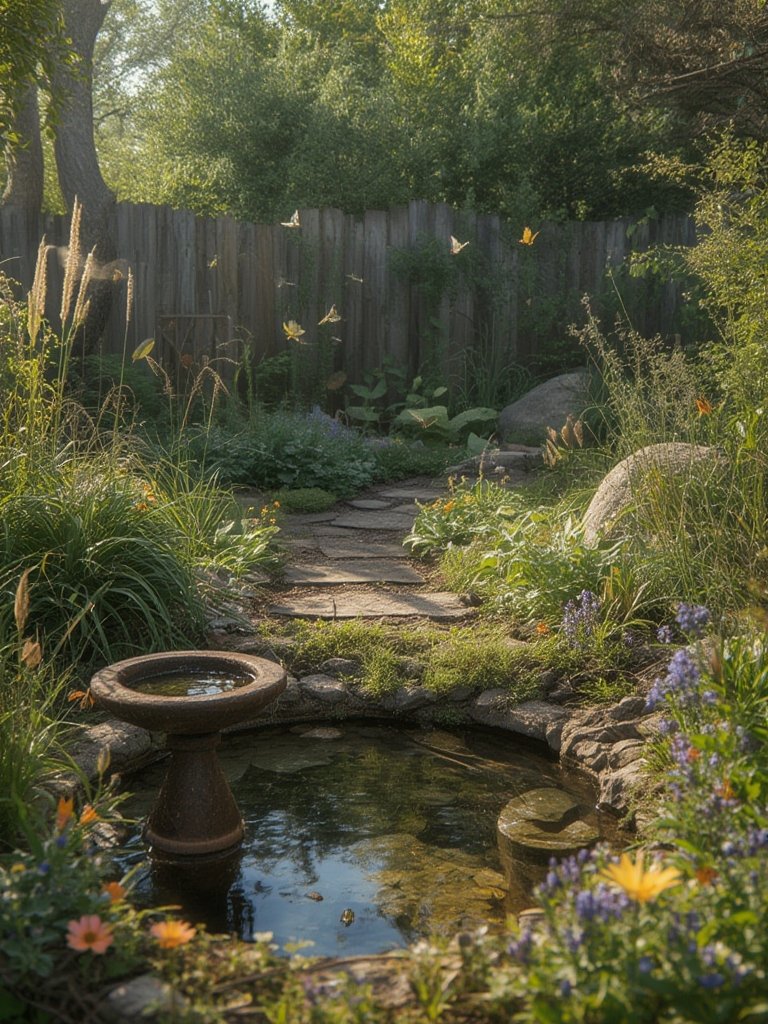
- Install a water source, brush piles, or a bee hotel to expand nesting options for birds and beneficial insects.
- Try a rain garden to manage runoff and provide amphibians with moist habitat.
- Monitor progress and adjust.
- Track which plants thrive with minimal intervention. Record pollinator and bird visits to measure early success.
- If water management is an issue, consider installing a smart irrigation system or focus on drought-tolerant landscaping techniques.
Rewilding is not an “install and ignore” approach—especially for the first couple of seasons. But as native plant communities establish, weeds diminish and ongoing work lessens.
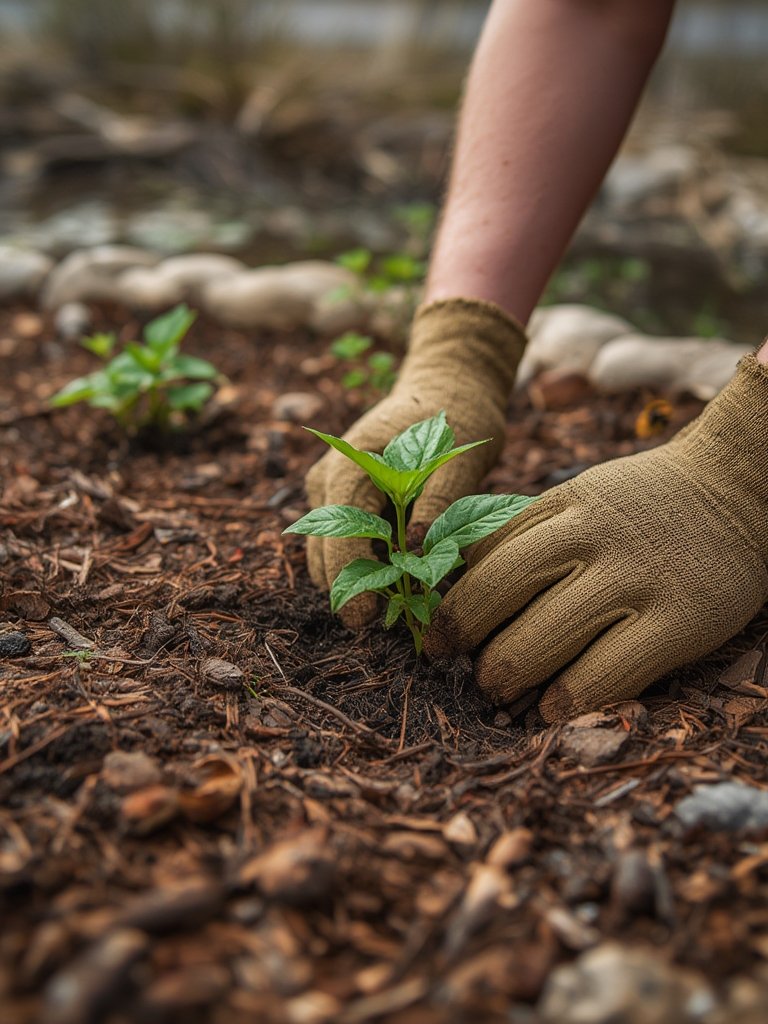
Expect some surprises as you learn—many homeowners find wildlife appear sooner than anticipated, and some plants thrive while others flop. Experimenting and keeping records is part of the process.
Advanced Analysis & Common Pitfalls
Backyard rewilding brings substantial benefits but also real-world frustrations. Here’s what experienced gardeners and research reports reveal about common challenges—and ways to address them.
1. Native Plant Sourcing and Cost Uncertainty
Finding true native (not hybrid) species remains a stumbling block in many regions. Homeowners often underestimate the time spent seeking out reputable sources, or the higher upfront costs compared to readily available turfgrass seed. Keep in mind that a modest increase in your landscaping budget, as reported by national surveys, is typical. However, reliable cost comparison data for traditional lawn versus rewilding installations is lacking in published studies.
2. Weeds, Invasives, and Establishment Friction
The first one to two years can look unpromising. Early weed infestations are the number one reason rewilding projects stall out or get reversed. Tillage and soil disturbance can encourage aggressive invasives, requiring persistent hand-weeding or careful spot-mulching. Sheet mulching remains a powerful shortcut (see above) but isn’t foolproof: windborne seeds or dormant weed seeds in the soil may still emerge.
3. Community Standards and Local Ordinances
“Messy” wild areas can draw the ire of neighbors or HOA committees, especially in communities accustomed to tight, manicured lawns. Clearly planned edges, signage explaining the habitat’s purpose, and regular tidying of pathways and borders can prevent complaints. Always check local ordinances regarding maximum allowed vegetation height, yard waste, or visible leaf piles before starting—an issue often overlooked in guides. The rise of No-Mow May is raising awareness, but challenges around invasive species hiding in tall grass are real (source).
4. Maintenance: Not Set-and-Forget
While maintenance drops after plants establish, the initial years are labor-intensive. Without vigilant weeding and strategic mowing or cutting (at least once per year for meadows), new plantings can falter or become dominated by aggressive species. Many first-timers underestimate this phase. Professional advice or community groups can help set realistic expectations.
| Aspect | Traditional Lawn | Backyard Rewilding |
|---|---|---|
| Typical Maintenance | Weekly mowing, regular fertilizers, weed/pest chemicals | Annual/biannual mowing, hand-weeding in early years |
| Wildlife Value | Low—supports few species | High—provides nectar, shelter, & food for pollinators and birds |
| Irrigation Needs | High | Low (once established) |
| Upfront Cost | Low to moderate—seed or sod is inexpensive and widely available | Moderate—native plants may cost more initially |
| HOA/Neighborhood Compliance Risks | Very low | Medium to high (without clear borders/signage) |
| Biodiversity Impact | Poor | Excellent (when using correct natives) |
Expect tradeoffs and imperfections. Yards may look “messy” by traditional standards, but the ecological gains—including increased pollinator and bird sightings—are usually visible within a single season.
Conclusion
Backyard rewilding is changing the American lawn—and with good reason. Native plantings provide critical habitat, reduce maintenance, and attract wildlife once rare in neighborhoods. While there are hurdles (from plant sourcing to neighborly relations), the long-term payoff is a resilient, vibrant landscape that works with the environment, not against it. Ready to join the movement? Start small, keep refining your approach, and watch as your backyard rewilding project grows into a self-sustaining ecosystem. Explore our guides on native plant lawns, meadowscaping, and Pennsylvania sedge lawn options for inspiration—and take your first step towards a wilder, healthier yard today.
Frequently Asked Questions (FAQ)
What is the first step in backyard rewilding?
Start by assessing your yard’s conditions and setting clear goals. Identify sun, shade, soil type, and which areas you want to rewild first. Starting with one manageable section is a smart approach for beginners.
Does rewilding a backyard attract unwanted pests?
Most integrated native habitats bring in beneficial insects but rarely cause pest outbreaks if properly managed. Avoid dense leaf piles too close to the house and maintain tidy paths to minimize problems.
Is rewilding legal in most neighborhoods?
Rules vary by municipality and homeowners association (HOA). Always review local ordinances about vegetation height or front yard appearance before beginning. Tidy borders, mowed paths, and signage can help avoid complaints.
How does backyard rewilding affect maintenance costs?
While upfront costs for native plants may be higher and early weeding is required, maintenance usually drops significantly after two to three seasons compared to weekly lawn care. Reliable cost comparisons are still rare in published research.
Can backyard rewilding help during droughts?
Yes—native plant landscapes, especially those using local grasses or sedges, are typically far more drought-resistant than standard turfgrass lawns. Learn more about drought-tolerant landscaping in our dedicated guide.
—