

Drought tolerant landscaping is emerging as the preferred choice for homeowners who want to cut water bills, address climate pressures, and still have a beautiful yard. If you live in a region pressured by water restrictions or are simply tired of high maintenance lawns, this guide walks you through what to expect, the real costs, and how to avoid common mistakes others have made with xeriscaping and water wise gardens.
Key Takeaways
- Drought tolerant landscaping can cut water use by 30–55% versus traditional lawns, but may involve higher upfront and ongoing weed management costs.
- Homeowners often mistakenly assume xeriscapes require no water or maintenance—smart irrigation and zone design remain essential.
- Local rebates and incentives can reduce conversion costs, but expect careful plant selection and system upgrades for best results.
- What Is Drought Tolerant Landscaping and Why Does It Matter?
- How to Create a Drought Tolerant Landscape: Step-by-Step
- Advanced Analysis & Common Pitfalls
- Conclusion
- Frequently Asked Questions
What Is Drought Tolerant Landscaping and Why Does It Matter?
Drought tolerant landscaping, also called xeriscaping, means designing and planting your yard for minimal water use without sacrificing curb appeal. It replaces thirsty lawns with native or waterwise plants, soil amendments, and efficient irrigation. Households in states like California spend up to 50% of their water on landscape irrigation, with lawns taking up the biggest share. Switching to drought tolerant plants and updated watering systems slashes these numbers, often reducing outdoor water use by 30-55% once new landscapes are established.
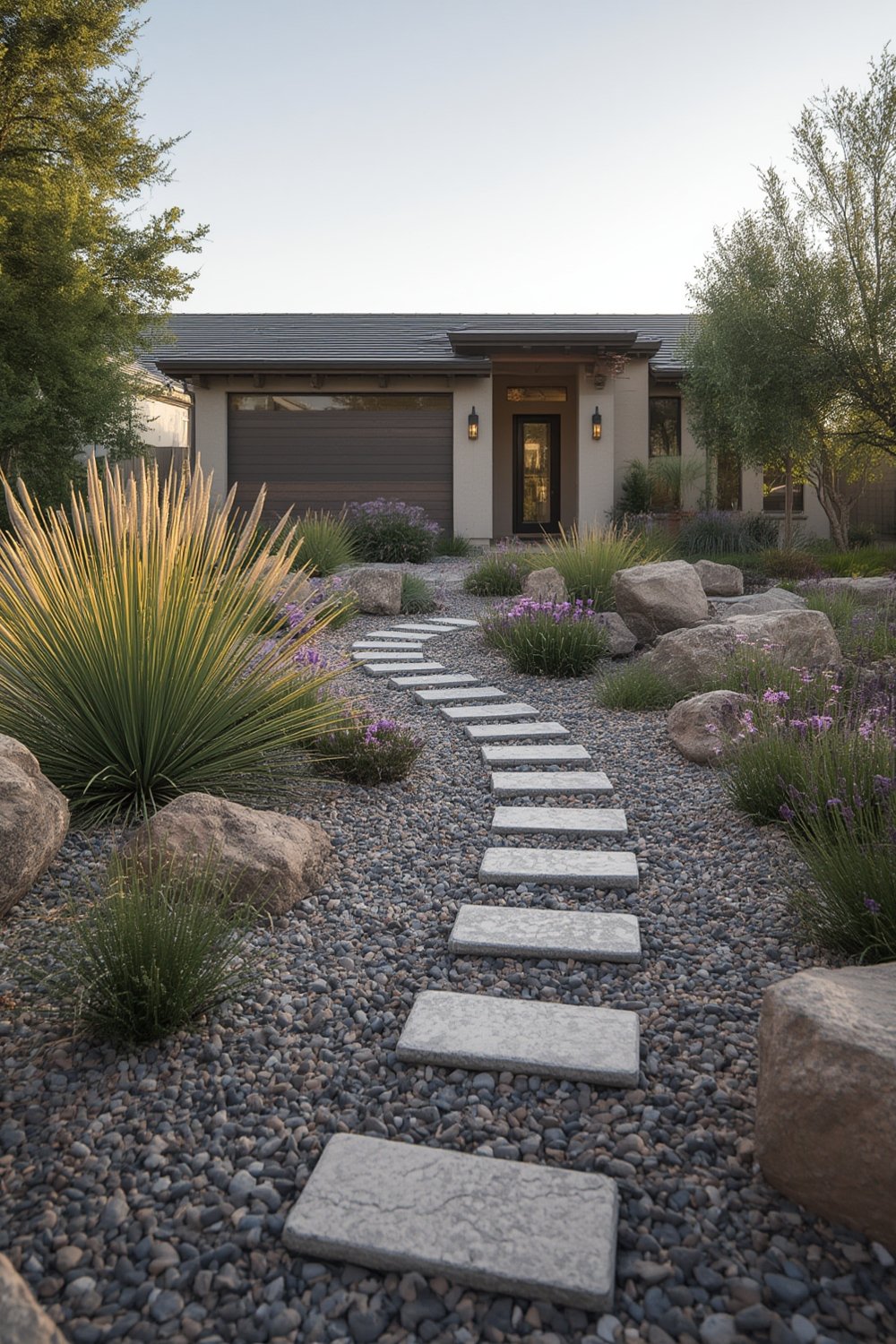
But the benefits go beyond saving water. Many homeowners are also responding to rising costs, stricter local watering rules, and a desire for low maintenance, eco-friendly gardens. Local governments across drought-prone regions offer rebates and support for converting lawns to native plantings, making the switch even more appealing.
Xeriscapes also support biodiversity—native groundcovers and shrubs provide pollinator habitat and help wildlife more than turf ever could. To explore even more ways to blend beauty and sustainability, see our guide to meadowscaping.
How to Create a Drought Tolerant Landscape: Step-by-Step
-
Assess Your Yard and Climate
Start by evaluating your current landscape—sun, shade, soil, and how you use your outdoor space. Check your local climate zone and rainfall patterns. This ensures your drought tolerant landscaping is tailored for real-world resilience and not just what looks good in magazines.
-
Plan and Design with Hydrozones
Divide your yard into “hydrozones” based on water needs (high, moderate, or low). Plan for at least 60% low-water areas. Grouping plants this way makes smart irrigation simpler and prevents overwatering.
-
Choose Water Wise Plants for Your Region
Pick native and adapted species that thrive locally. For California, try groundcovers like manzanita and tall fescue alternatives, such as bermudagrass or zoysiagrass. In the Southwest, consider cacti, agave, desert marigold, or lavender. For shaded or woodland spaces, Pennsylvania sedge lawns provide dense, soft mats that require almost no mowing or irrigation.
-
Upgrade Your Irrigation System
Switch traditional sprinklers to drip irrigation, soaker hoses, or micro-spray setups. Pair with mulch to retain moisture. For the biggest savings, integrate smart controllers with soil sensors—see our full guide to smart irrigation system upgrades.
-
Install, Mulch, and Maintain
Amend soil for better absorption and establish deep roots. Mulch thickly (2-4 inches) to retain moisture and block weeds. Water deeply but less frequently as plants mature.
-
Monitor and Adjust
Expect some trial-and-error the first year—watch for signs of stress or overwatering. Use a moisture meter, walk the yard monthly, and tweak accordingly.
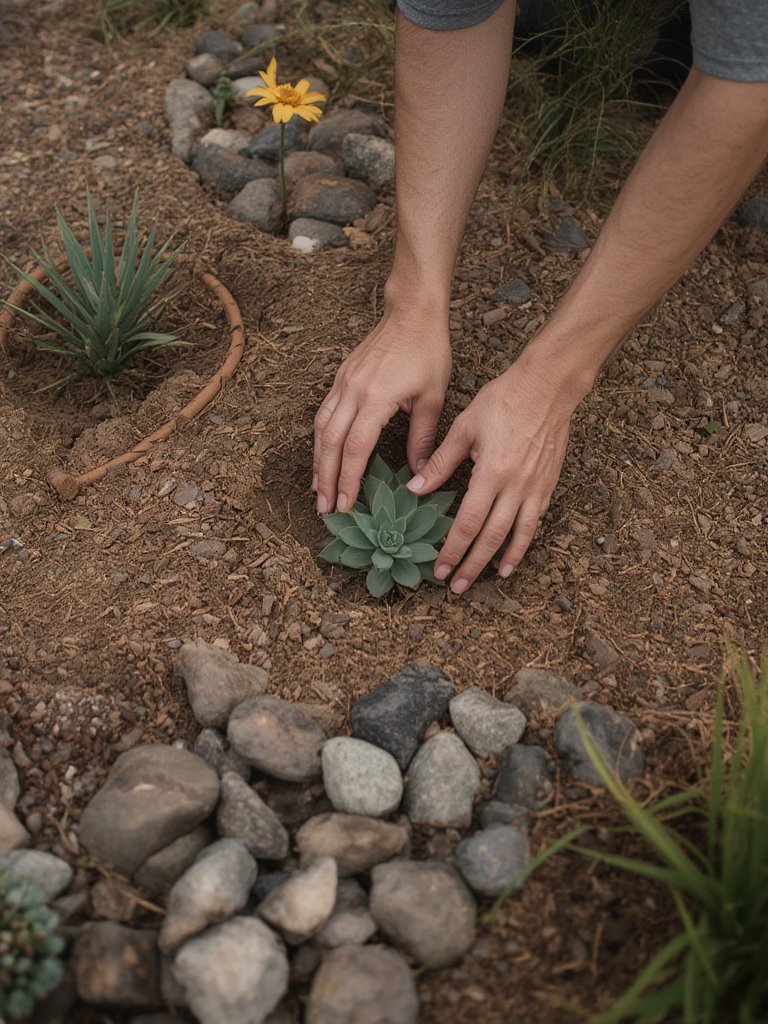
For shaded or woodland gardens where grass fails, a native plant lawn or sedge replacement works well and attracts beneficial insects. Want to help pollinators? Try combining drought-tolerant blooms with a pollinator garden design for color and habitat.
Advanced Analysis & Common Pitfalls
Homeowners drawn to drought tolerant landscaping sometimes underestimate costs or overestimate savings. Here’s what recent reviews, forums, and industry research reveal:
- Myth of “No Maintenance”: Xeriscaping still needs regular care—especially early on. Overlooking this leads to weed invasions or stressed, dying plants.
- Assuming All Lawns Are Bad: Turf isn’t always wrong if placed in active play zones and irrigated wisely. Mowing a traditional lawn may be less work than hand-weeding a new waterwise garden.
- Forgetting Irrigation: Even drought-tolerant plants need water to establish. Neglecting large shade trees during conversion can cause expensive losses.
- Budget Surprises: Upfront costs for irrigation changes, quality mulch, and native plants often run higher than expected. While rebates help, ongoing maintenance costs—mainly weed control—can exceed those of turfgrass lawns.
- Wrong Plant Choices: Relying on general cactus or succulent lists ignores the importance of matching species to your exact zone, sun exposure, and soil conditions.
- Artificial Turf Drawbacks: While marketed as “no water,” it often overheats, requires cleaning, and sometimes even needs occasional watering to avoid damage or smells.
- Smart Tech Missed: Few homeowners implement weather-based irrigation controllers or moisture sensors, missing out on additional 30–50% water savings and system automation—see our in-depth technology overview.
| Aspect | Traditional Lawn | Drought Tolerant Landscape |
|---|---|---|
| Initial Installation Cost (Excludes Design) | Low (seed/sod + basic irrigation) | Medium-High (new irrigation, mulch, specialty plants) |
| Ongoing Maintenance | Mowing, fertilizer, routine watering | Weeding, pruning, less frequent fertilizing/watering |
| Water Use (Annual) | High – often 40-60% of home’s outdoor water | 30–55% less than turf (region-dependent) |
| Long-Term Weed Control | Low, mow suppresses weeds | Medium-High, careful mulch and manual removal |
| Local Rebates | Rarely eligible | Often eligible, which can offset up to 50% upfront in some areas |
| Wildlife & Pollinator Value | Very low | High, especially with native/low-water mixes |
Interested in even less yard work? See our take on zero turn mower options and why some homeowners still prefer hybrid approaches—mowing a compact eco lawn while shifting most of the landscape to low-water beds or rain garden installations for runoff control.
Conclusion
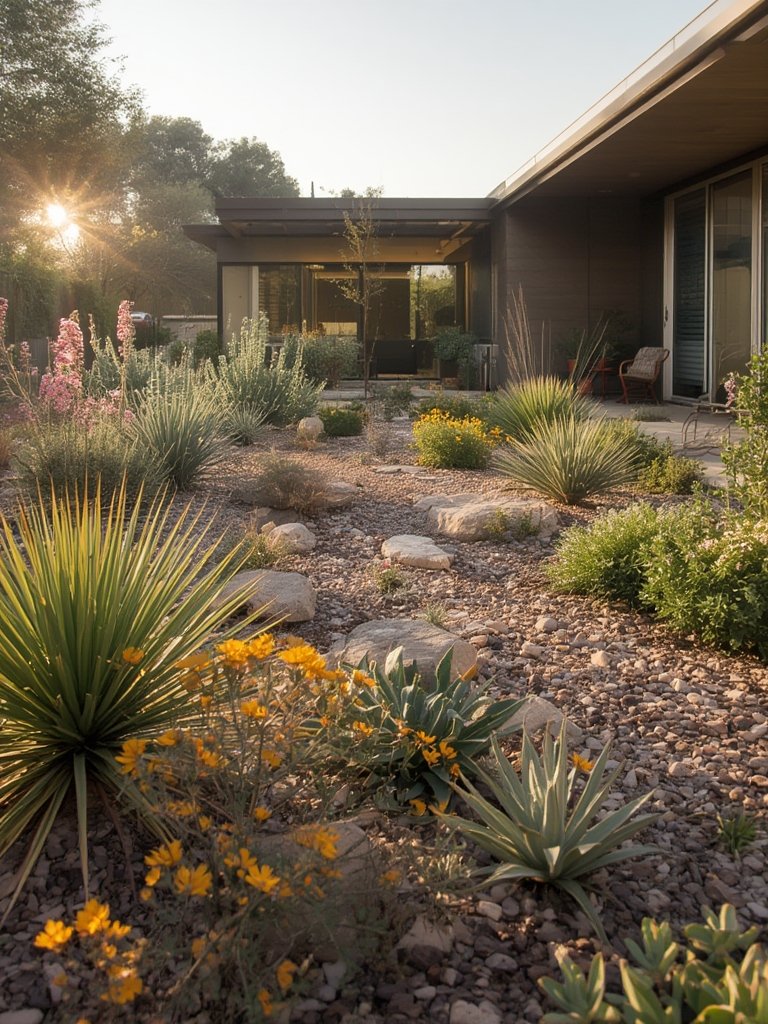
Drought tolerant landscaping is not “set and forget”—but the water savings, rebates, and biodiversity boosts make it a smart investment for the eco-conscious homeowner. Expect higher initial costs and new maintenance habits, but also a landscape that adapts as water becomes scarcer. If you’re ready to start, begin with expert plant selection, solid hydrozone design, and an honest assessment of your budget and time. Explore additional options like native grass replacement or low mow alternatives next. Ready to design your drought tolerant landscaping project? Download our regional plant list or connect with a local pro to get a plan tailored to your yard.
Frequently Asked Questions
Do drought tolerant landscapes really save that much water?
Yes. Studies show a mature drought tolerant landscape can use 30–55% less water than traditional turf-grass yards. In California, this can mean thousands of gallons saved each year, depending on climate and site.
Is xeriscaping completely maintenance free?
No, this is a common misconception. While mowing is reduced or eliminated, weed control, seasonal pruning, and monitoring irrigation lines are needed—especially during the first year as plants establish.
Will switching to native plants attract more wildlife or pollinators?
Absolutely. Drought tolerant landscaping planted with native wildflowers, grasses, and shrubs offers food, shelter, and nesting space for bees, butterflies, and birds—a major improvement over conventional lawns. See more in our pollinator garden design guide.
How do rebates and water restrictions affect my costs?
Many areas offer rebates covering some costs for removing lawns and installing drought tolerant landscaping. Water restrictions encourage more conversions and can boost the long-term savings from early adoption, but check local programs for details.
Do I need a smart irrigation controller?
While not absolutely required, installing a smart irrigation system can automate watering, simplify hydrozone management, and reduce outdoor water use by up to 50%. It’s a valuable investment for most drought tolerant landscapes.