

Edible landscaping transforms ordinary front yards into vibrant, productive spaces where vegetables, fruits, and herbs blend seamlessly with ornamental plants. This approach is rapidly gaining traction among homeowners who want beauty, biodiversity, and a steady source of fresh food—all in one attractive landscape.
Key Takeaways
- Edible landscaping is a growing trend that integrates food-producing plants into front yard designs for both curb appeal and productivity.
- Success depends on aligning plant choices with local climate, planning for year-round visual interest, and understanding potential HOA or municipal restrictions.
- Proper layout, plant selection, and low-maintenance strategies maximize yields, aesthetic value, and sustainability.
- Understanding Edible Landscaping: What & Why
- How to Start Edible Landscaping: Step-by-Step Guide
- Advanced Analysis & Common Pitfalls
- Conclusion
- FAQs About Edible Landscaping
Understanding Edible Landscaping: What & Why
Edible landscaping is the practice of integrating edible plants into the design of ornamental landscapes, usually in visible front yards or prominent outdoor spaces. Unlike traditional gardens which separate edibles and ornamentals, this approach blends food plants—think blueberries, kale, rosemary, dwarf fruit trees—with shrubs, groundcovers, and decorative grasses for a look that’s both beautiful and bountiful.
This movement is fueled by the desire to reduce grocery bills, support biodiversity, and make better use of space. Interest is accelerating as more homeowners seek alternatives to water- and labor-intensive lawns. Blending food crops and attractive design, edible landscaping is ideal for urban and suburban properties of any size. It’s a natural next step for anyone inspired by lawn alternatives like native plant lawns or meadowscaping.
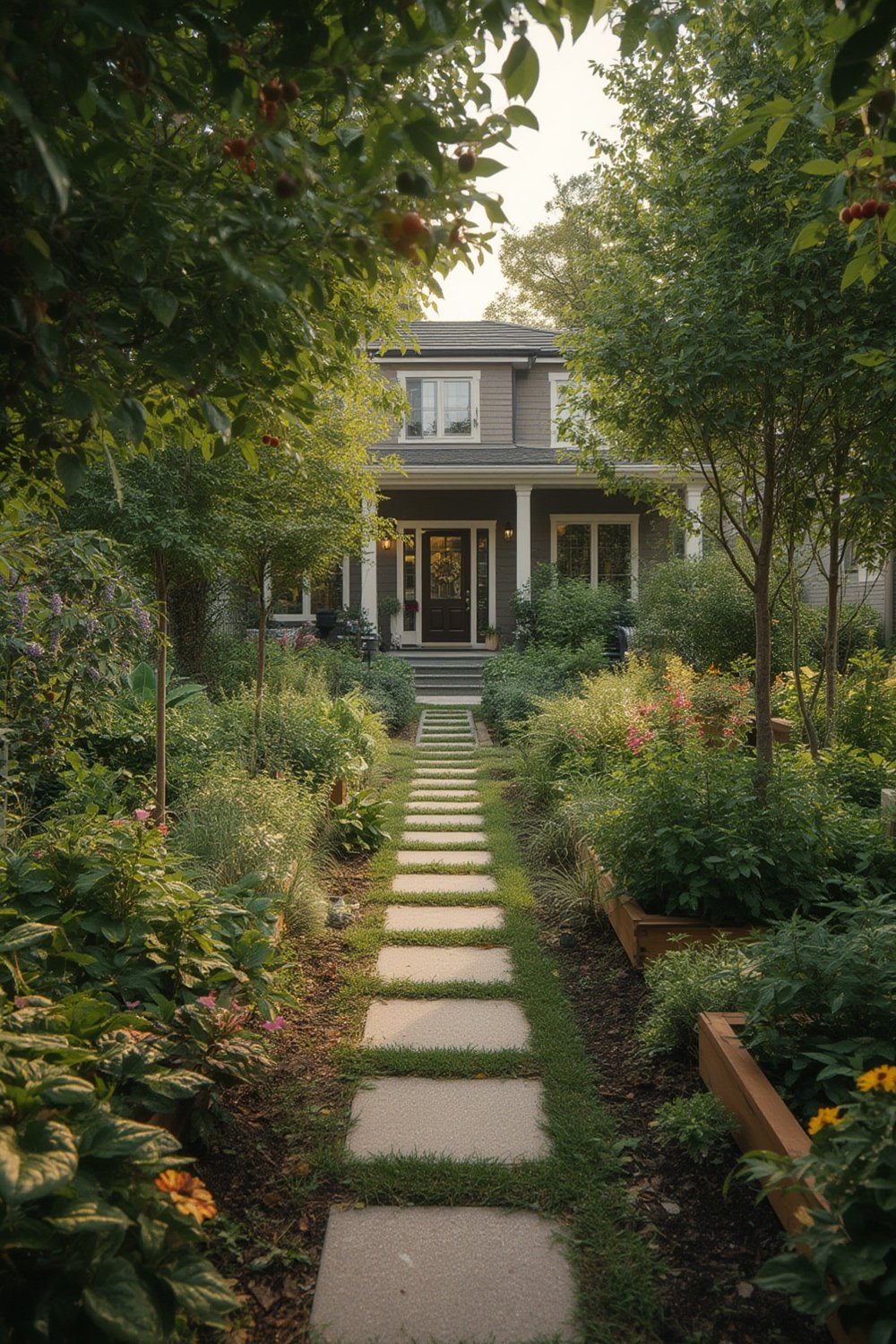
Edible landscaping does not rely on a single template. Some focus on layering edible hedges, fruiting shrubs, or colorful vegetable borders, while others use creative structures like vertical gardens or rain gardens to maximize productivity and style. Whether you want a lush herbal border or espaliered fruit trees, the flexibility of edible landscaping makes it possible to have a yard that is both visually stunning and deliciously productive.
How to Start Edible Landscaping: Step-by-Step Guide
-
Assess Your Site
Map your front yard’s sunlight patterns, soil type, and drainage. Notice where water pools, which areas stay shady, and existing plants you might keep. Many edibles need at least six hours of sunlight daily. Take into account your climate and microclimates—edges near sidewalks warm up faster and may allow earlier harvests. -
Set Practical Priorities
Decide on your goals: maximizing food production, increasing curb appeal, attracting pollinators, or reducing maintenance/water use. If you’d like a lawn alternative, explore clover lawns or Pennsylvania sedge lawns for edible and native options. -
Design the Layout
Choose a design that fits your home’s character. For a formal look, try symmetrical beds with neat edible hedges or low boxwood borders intermixed with parsley, kale, or strawberries. For a more relaxed feel, opt for curving beds, paths, and diverse layers, inspired by cottage gardens.- Group plants with similar needs together (sun, water, soil).
- Maximize aesthetic value by repeating colors and textures—purple basil, red Swiss chard, and feathery fennel are as ornamental as any flower.
-
Choose Edibles Wisely
Pick visually attractive edibles that thrive in your climate. In most U.S. zones, reliable choices include:- Blueberries: glossy leaves, spring flowers, fall color, and summer fruit.
- Siberian kale, Swiss chard, and rainbow carrots: vivid foliage for season-long color.
- Herbs such as rosemary, chives, oregano, and thyme: compact, hardy, and fragrant.
- Dwarf fruit trees and brambles (apples, figs, raspberries, currants): beautiful when pruned. Currants can yield up to 12 pounds of fruit annually when used as hedging (source).
For full shade, a native groundcover like Pennsylvania sedge lawn can anchor the design and balance productive sun spots.
-
Incorporate Structures and Hardscaping
Add trellises for vining edibles (beans, squash, grapes), raised beds for easy management, and permeable pavers for paths or patios. Consider a rain garden or smart irrigation system to make watering efficient and eco-friendly. -
Plant for Multiple Seasons
Mix evergreen edible plants (like rosemary, some blueberries, yaupon holly for structure) with annual crops for ongoing appeal. -
Maintain Smartly
Mulch well to suppress weeds and retain moisture. Practice crop rotation and replenish soil with compost or organic fertilizer annually (organic lawn care resources are helpful). Use drip irrigation or soaker hoses for efficiency, and remove overgrown plants before they look unruly.
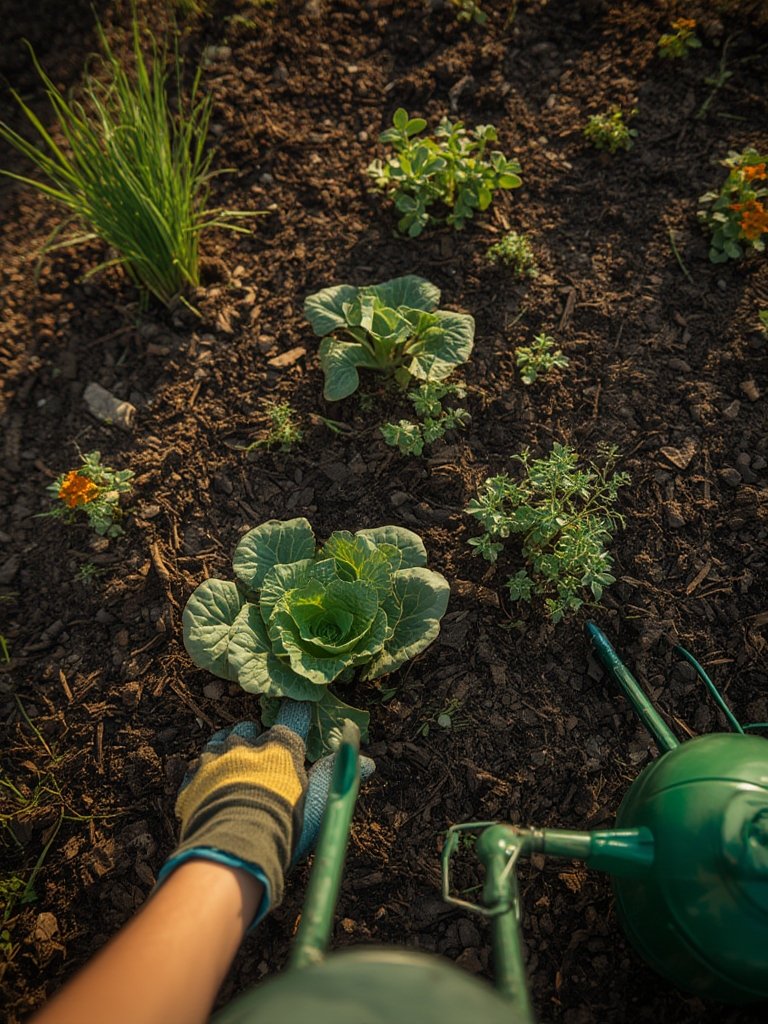
If your neighborhood has restrictions on front-yard vegetable gardens, edible landscaping lets you work around bans by blending food plants in a way that passes for standard ornamental design (external reference).
- Choose perennial edibles and pollinator-friendly native plants to reduce maintenance and boost resilience—a good transition for those interested in pollinator garden design.
- Consider using vertical garden systems or containers if space or local code is limited.
Advanced Analysis & Common Pitfalls
The appeal and challenges of edible landscaping are nuanced. While many resources gloss over real-world complications, it’s important to plan for obstacles.
| Common Pitfall | Impact | How to Avoid |
|---|---|---|
| Wrong Plant, Wrong Place | Poor yields, unattractive plants, higher loss rate | Assess site light, water, and soil. Use right-plant, right-place logic (source). |
| Poor Season Planning | “Bare” looking landscapes part of the year, inconsistent harvests | Mix evergreen edibles (rosemary, yaupon holly) and staggered crops; layer with natives for year-round interest. |
| Ignoring Local Regulations | Fines or orders to remove noncompliant garden beds | Consult HOA bylaws or city codes; opt for discreet food plants if vegetable beds are banned (reference). |
| Too Much Maintenance | Frustration, weed pressure, burnout | Favor perennial edibles, use dense groundcovers, add mulch, and automate irrigation with smart systems. |
| Imbalanced Design | Loss of curb appeal, neighborhood pushback | Repeat shapes and colors, mix heights and textures, use layered design principles, keep paths clear. |
| Unrealistic Yield Expectations | Disappointment if plants underperform | Start modestly, track productivity, and refine plant selection each season. |
Even with the best plans, climates or soil conditions can challenge productivity. Homeowners in drought-prone areas may need to rethink large vegetable beds in favor of water-wise approaches—resources like drought-tolerant landscaping can help diversify options for edible yet resilient gardens.
Lastly, as edible landscaping increases in popularity, some municipalities and HOAs are updating standards. While very few outright ban all food plants, designs that prioritize subtle integration rather than obvious “vegetable rows” are less likely to draw complaints, especially in visible front yards (see more).
Conclusion
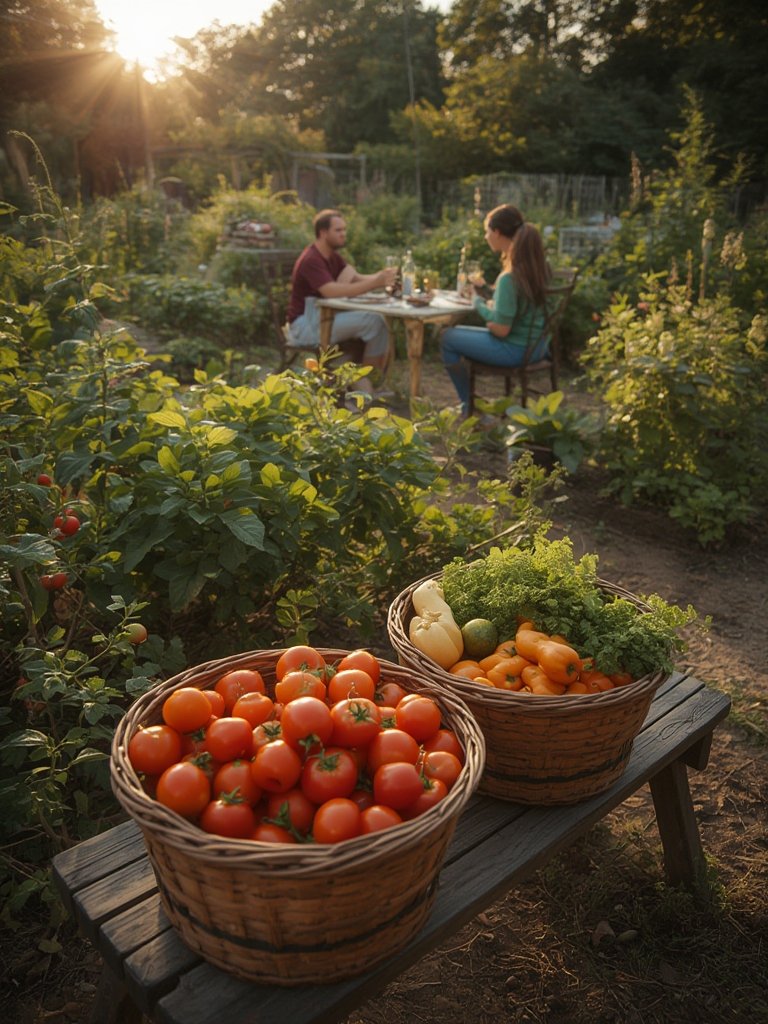
Edible landscaping offers a realistic, rewarding way to enhance your front yard with food-producing plants that don’t sacrifice curb appeal. By focusing on site-appropriate choices, balanced design, and low-maintenance strategies, you can avoid common pitfalls and build a beautiful, productive landscape uniquely suited to your goals. Start small, experiment, and adapt—edible landscaping has the power to nourish both your household and your neighborhood.
Want to take the next step? Map out your sunniest yard section today or contact a local landscape designer familiar with foodscaping. Your front yard can look better and feed you—start your edible landscaping journey now.
FAQs About Edible Landscaping
Can edible landscaping increase home value?
Strategically designed edible landscapes often enhance curb appeal and neighborhood interest, supporting home value, especially in communities favoring sustainability and native plantings.
Will edible landscaping attract pests?
Some food plants can attract wildlife or insects, but good design (use of borders, row covers, and companion planting) minimizes issues. Herb borders and dense groundcovers can deter many common pests.
Is edible landscaping allowed by my HOA?
Rules vary significantly. Some HOAs restrict vegetable gardens in front yards but permit ornamental edibles. Always check bylaws and opt for subtle integration if in doubt.
How much maintenance does edible landscaping require?
Maintenance can be lower than grass lawns if you use perennial edibles and mulched beds. Still, initial setup and some ongoing tasks like weeding, pruning, and harvesting are necessary.
What are the best edibles for curb appeal?
Blueberries, rainbow Swiss chard, ornamental kales, herbs like rosemary and creeping thyme, dwarf fruit trees, and currants are both productive and beautiful throughout most growing seasons.