

GPS pet tracker devices have changed how pet owners find lost animals, promising real-time location tracking and peace of mind. But do these advanced collars really work better than traditional ID tags, and what should you know before you invest? This guide separates hard facts from marketing claims, and shows how to get the most from any GPS pet tracker.
Key Takeaways
- There is no published 2024 data directly comparing lost pet recovery rates between GPS pet trackers and traditional ID tags—most studies group multiple identification methods together.
- While GPS pet trackers offer real-time location updates, users must consider realistic issues like battery life, potential accuracy gaps, and ongoing subscription costs.
- Simple steps and regular checks maximize the effectiveness of a GPS pet tracker—avoid common pitfalls by understanding device limits before your pet ever gets lost.
- What Is a GPS Pet Tracker and Why Use One?
- How to Use a GPS Pet Tracker: Step-by-Step Guide
- Advanced Analysis & Common Pitfalls
- Conclusion
- GPS Pet Tracker FAQ
What Is a GPS Pet Tracker and Why Use One?
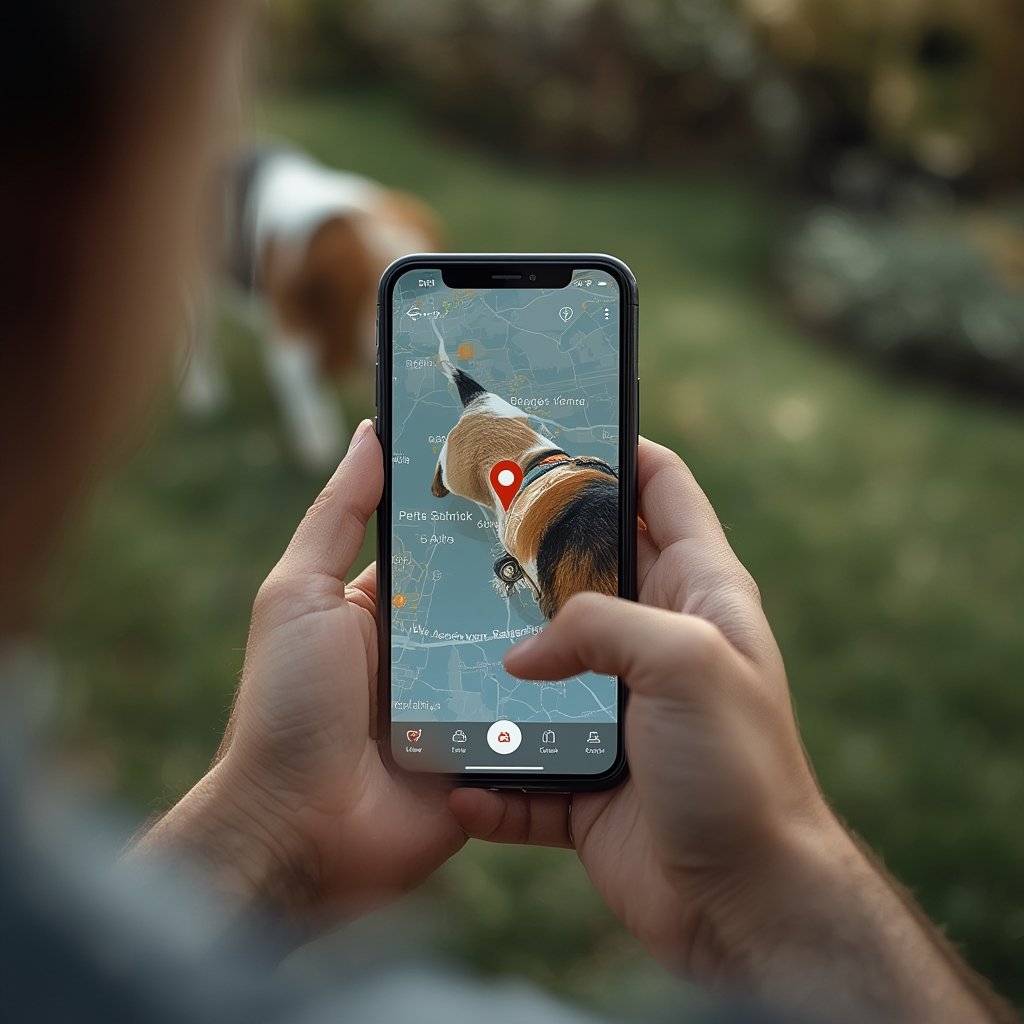
A GPS pet tracker is a device that attaches to your pet’s collar and uses global positioning system (GPS) technology to track your pet in real time. Most GPS pet tracker collars pair with a smartphone app, letting you check your pet’s location instantly, set up safety zones (geofences), and receive alerts if your pet leaves the area.

The main appeal is speed: if your dog escapes or your cat goes missing, a GPS pet tracker can show you their last known location so you can react quickly. This tech aims to solve the problem of slow, unreliable recoveries relying purely on tags, word-of-mouth, or visual searching.
However, based on nationwide lost dog recovery statistics in 2024, the overall lost dog recovery rate is roughly 63%, but there’s no study isolating the effect of a GPS pet tracker versus old-school ID tags. Studies that do exist usually combine GPS collars, microchips, and tags as one group—making it tough to know which tool actually delivers the highest recovery rate. According to PawMaw’s data, microchipped dogs are 52% likely to be reunited if found, as opposed to just 2.2% without chips, but specific GPS pet tracker data is unavailable for 2024.
In short: a GPS pet tracker is a modern tool that can make searches faster, but it is not a magic bullet. Owners still need to use common sense, combine methods, and understand limitations.
If you’re also dealing with feline stress or indoor cats, check out our guide on cat calming collars for overall wellness strategies.
How to Use a GPS Pet Tracker: Step-by-Step Guide
Setting up a GPS pet tracker is straightforward, but there are steps you must never skip. Here’s how to make sure your device works when you need it most.
- choose the right GPS pet tracker: Consider size, weight, water resistance, subscription costs, and collar fit. Don’t pick a tracker too large or heavy for smaller pets, and ensure it can survive rain or mud if your dog is active.
- Fully charge the tracker before first use. Double check that the device boots up and holds a charge. Many complaints revolve around battery life—fully charging avoids tracking failures.
- Install the companion app on your smartphone. Most GPS pet trackers need an app for location alerts and geofencing. Create an account, set up user permissions, and check notification settings.
- Connect and sync the tracker to the app. Follow the pairing instructions exactly. Test syncing in your backyard, and ensure real-time updates work in all directions.
- Customize safety zones. Set up geofences at your home, park, or property lines. Enable push notifications for when your pet exits these boundaries, so you’re notified against escapes.
- Attach the GPS tracker securely to your pet’s collar. Ensure your pet cannot shake or chew it off. If your pet wears other accessories (such as an anxiety collar or cat harness safety guide), test for comfort and fit.
- Test location accuracy and movement tracking. Walk your pet in safe areas and monitor their location in real time. Note dead spots, signal lag, and battery life impact during activity.
- Establish a routine for charging and cleaning. Build a habit of nightly charging or checking battery life, especially before travel or hikes. Clean the device to keep charging ports clear.
- Share app access if possible. Give trusted family members or pet sitters access to location tracking for backup in emergencies.
If you’re integrating smart home pet care, explore our review on smart pet feeders for extra tech-enabled peace of mind.
Lastly, remember to pair GPS trackers with visible classic ID tags or microchips. No single solution is foolproof. Tech failures, dead batteries, or loss of signal can render even an expensive tracker useless if you don’t have a backup plan. Smart pet owners build redundancy into their tracking strategy.
Advanced Analysis & Common Pitfalls
Real-world use of GPS pet trackers is not always as smooth as advertisements suggest. Here are the most common pitfalls and practical considerations backed by current market and research data:
| Comparison | GPS Pet Tracker | Traditional ID Tag |
|---|---|---|
| Real-time Location | Provides continuous updates (if cellular/network service is available) | No real-time tracking, relies on finder to contact you |
| Upfront Cost | Usually higher (device + possible setup fee) | Low (~$5-$15) |
| Ongoing Cost | Often requires subscription ($5-$15/month) | None |
| Battery Dependency | Needs frequent charging (1-7 days typical) | Not applicable |
| Recovery Reliance | Owner-driven, proactive searching possible | Finder-driven, depends on good Samaritans |
| Data Limitations | No specific 2024 data showing they alone outperform tags or chips | Long recovery data history, often less effective without chip |
| Integration Potential | Works with apps, some smart home systems (varies by brand) | None |
- Battery Life: No universal standard—some trackers need daily charging, others last a week. Forgetting to charge is a leading cause of tracking failure. Always have a charging checklist before overnight trips or hikes.
- Connectivity: GPS trackers may lose signal in dense cities, remote areas, or inside buildings. No 2024 studies detail exact accuracy ranges by environment, but user experience confirms that network coverage gaps exist, especially in rural or wooded areas.
- Accuracy: Real-time updates depend on GPS signal strength and refresh intervals. Expect some location lag, especially if your pet moves quickly. Do not assume pinpoint accuracy at all times.
- Ongoing Costs: Most top-rated GPS pet trackers require a monthly or annual subscription for cellular connectivity. While the upfront investment is higher than a simple tag, the ongoing cost can rival premium pet food or supplements—budget accordingly.
- Durability & Fit: Some pets shake off or chew through tracker collars, especially if the device is bulky or misfit. Always check fit and comfort to prevent loss.

If you want a nutrition boost to keep your pet healthy and active enough to explore, see our guide on dog food toppers for practical supplementation tips. For those interested in holistic well-being, probiotic pet supplements and pet dental chews may complete your pet care routine.
Conclusion
GPS pet tracker technology brings real-time tracking and faster search times, but it is not a perfect replacement for classic ID tags or microchips. There are real limits: battery life, subscription fees, and environmental accuracy can impact results. No single tool guarantees recovery, and the best results come from combining GPS trackers with traditional identification methods. For owners who value fast response, peace of mind, and are willing to learn the device, a GPS pet tracker is a smart investment—just have a plan for the day the battery dies or the signal drops. If you want to keep your pet safer and more secure, choose your tracker wisely and keep it maintained. Get started today by evaluating which GPS pet tracker is right for your family.
GPS Pet Tracker FAQ
How accurate are GPS pet trackers in urban or rural environments?
Accuracy varies by brand and location. There is no published 2024 data, but most consumer GPS pet trackers claim a 10–25 foot accuracy range in clear outdoor conditions. Dense urban buildings or deep woods can degrade signal and reduce accuracy, sometimes by hundreds of feet.
Are monthly subscription fees required for GPS pet trackers?
Most real-time GPS pet trackers require an ongoing subscription for cell network access, costing $5–$15 per month. Some units offer a limited Bluetooth-only mode, but true long-distance tracking relies on paid connectivity.
Can I use a GPS pet tracker with other pet tech products?
Yes. Many GPS pet tracker apps integrate with other smart devices or smart pet feeders, letting you manage feeding and tracking routines together. Some smart collars also include activity and health monitoring.
What’s the best backup if the GPS tracker fails?
Always pair GPS tech with a traditional ID tag and an updated microchip. These never run out of power and are key to maximizing the odds of recovery based on current lost pet statistics.
Can cats use GPS pet trackers as well as dogs?
Yes. Lightweight models are available for cats, but owners should look for small, comfortable designs and check how well the unit stays attached. Also consider using anxiety-reducing collars or harnesses together with the tracker for cats who get stressed outdoors.