

### Blog Post:
Native milkweed plants are rapidly gaining attention as the single most vital resource for reversing monarch butterfly decline in North America. If you want to make a tangible difference for pollinators and biodiversity, planting native milkweed plants is the most actionable step you can take right now. This guide covers what monarchs actually need, real world challenges when buying and growing milkweed, and practical, step-by-step advice for immediate action.
Key Takeaways
- Monarch butterflies face dramatic population declines in 2024, and the lack of native milkweed plants is the main driver.
- Success with native milkweed relies on selecting regionally appropriate species, avoiding non-native imposters, and following simple planting steps.
- There are very few regulations, but buyers need to beware of pesticide-treated or mislabeled plants from some online nurseries.
- Why Native Milkweed Plants Matter for Monarch Conservation
- How to Plant Native Milkweed: Step-by-Step Guide
- Advanced Analysis & Common Pitfalls When Planting Native Milkweed
- Conclusion
- FAQ
Why Native Milkweed Plants Matter for Monarch Conservation
Monarchs rely exclusively on native milkweed plants (Asclepias species) for their survival. These plants are the only host on which monarch caterpillars can feed and develop. In 2024, both western and eastern monarch populations have hit crisis lows—western monarchs plummeted by 96% in just the past year, and eastern populations remain at just a fraction of historic averages. Habitat loss is the definitive cause, driven by declining milkweed due to development, agriculture, drought, and widespread pesticide use. Source, Source, Source
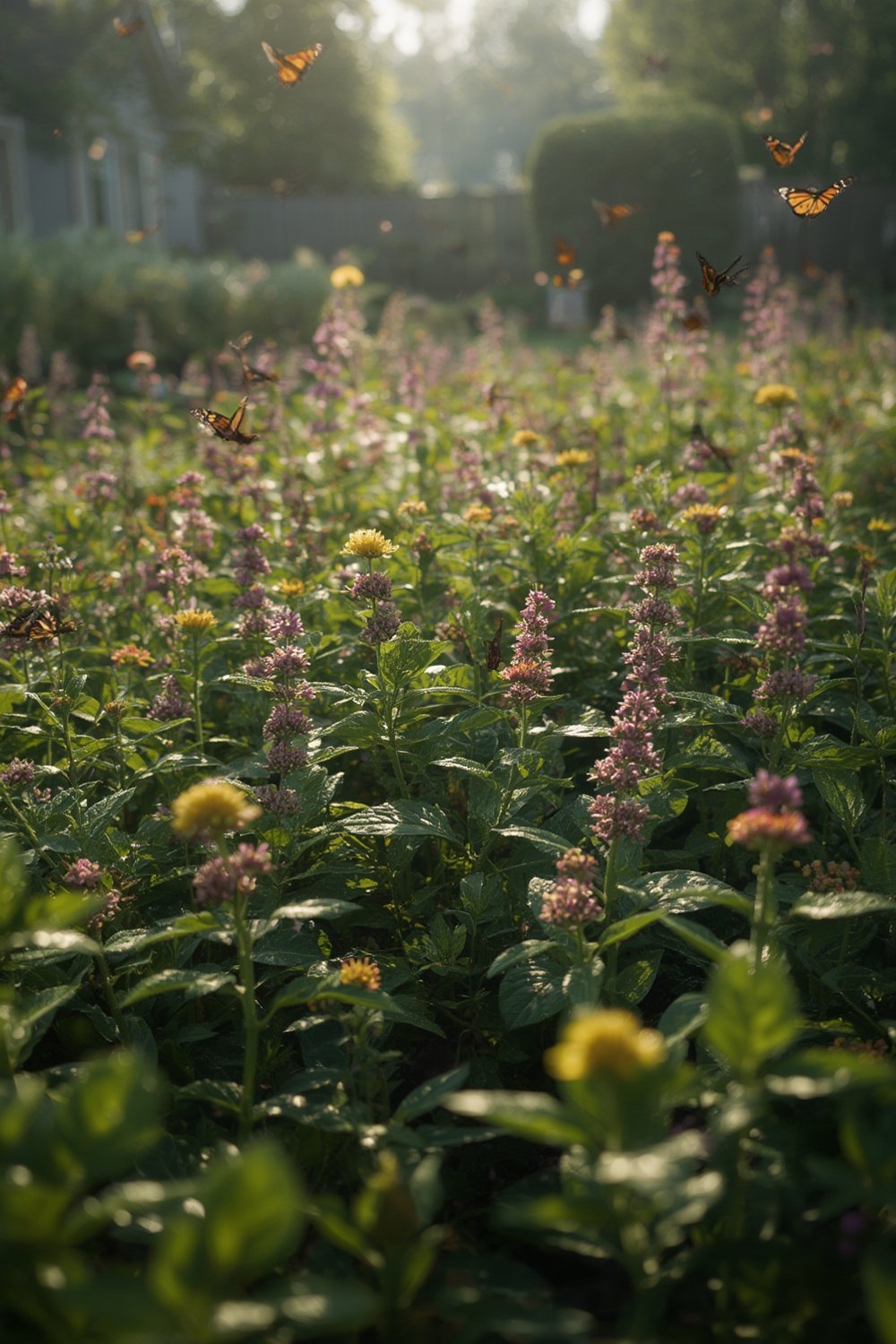
Restoring habitat by planting native milkweed plants in gardens, lawns, and public spaces is considered the single most direct way individuals can address the monarch crisis. Importantly, only native milkweed plants provide the exact chemical cues needed for monarch survival; tropical non-natives can do more harm than good by disrupting monarch migration and harboring disease.
This actionable conservation strategy is gaining immense popularity alongside related movements like pollinator garden design and meadowscaping. As you consider how to help, keep in mind that thoughtful milkweed planting directly supports not just monarchs but a wide range of native bees and pollinators.
How to Plant Native Milkweed: Step-by-Step Guide
Ready to make a real difference? Follow this practical, foolproof process for choosing, planting, and maintaining native milkweed plants to maximize monarch and pollinator support:
- Pick the right species for your location.
- Research which Asclepias species are native and regionally adapted—examples: Asclepias tuberosa (butterfly weed) is drought-tolerant for prairies, Asclepias incarnata (swamp milkweed) prefers wet soils, Asclepias syriaca (common milkweed) suits many regions. For deep shade or woodland edge, consider combining milkweed with a Pennsylvania sedge lawn or native grasses.
- If you’re in urban areas or drier climates, match species such as drought tolerant landscaping options, ensuring the plant can survive your conditions long-term.
- Source responsibly:
- Purchase only from certified native plant nurseries. Check for “neonicotinoid-free” labeling and ask if plants are free from systemic pesticides.
- Compare sellers if possible; many local conservation groups, public gardens, or plant sales offer regionally grown stock for less.
- If interested in mass planting or converting a yard, explore meadowscaping for larger-scale impact.
- Prep your site:
- Pick a spot with full sun or at least 6 hours of direct sun daily; most species require open exposure for sturdy growth and optimal blooms.
- Remove grass and weeds to reduce competition. A zero turn mower can save hours on large sites or new meadows.
- Loosen soil to a depth of 8–12 inches, amending only if your native milkweed prefers richer soil (e.g., A. incarnata for wet or richer sites).
- Plant properly:
- Set transplants in spring or early fall, after danger of frost or summer heat has waned. Space most milkweed 18–24 inches apart.
- For seeds, use fall or winter sowing (“stratification” simulates nature) for much higher germination rates; direct sow on disturbed or bare soil and gently press seeds into the surface.
- Water regularly after planting until roots take hold (typically 2–3 weeks); native milkweed is drought tolerant once established but never overwater at the start.
- Avoid pesticides and unnecessary fertilizers:
- Never use pesticides near milkweed. Even trace amounts can kill monarch caterpillars or prevent eggs from hatching—a fact confirmed by repeated habitat surveys in the U.S. in recent years.
- Do not fertilize heavily—native milkweed evolved in nutrient-poor soils and too much fertility can cause lanky growth and fewer blooms.
- Maintain, monitor, and expand:
- Control aggressive weeds the first two seasons; after that, established milkweed will usually outcompete intruders.
- Leave dried stalks and seed pods standing into winter to provide monarch habitat and natural reseeding opportunities.
- For even greater ecological value, blend milkweed into a clover lawn or integrate with rain garden features for water management and habitat synergy.
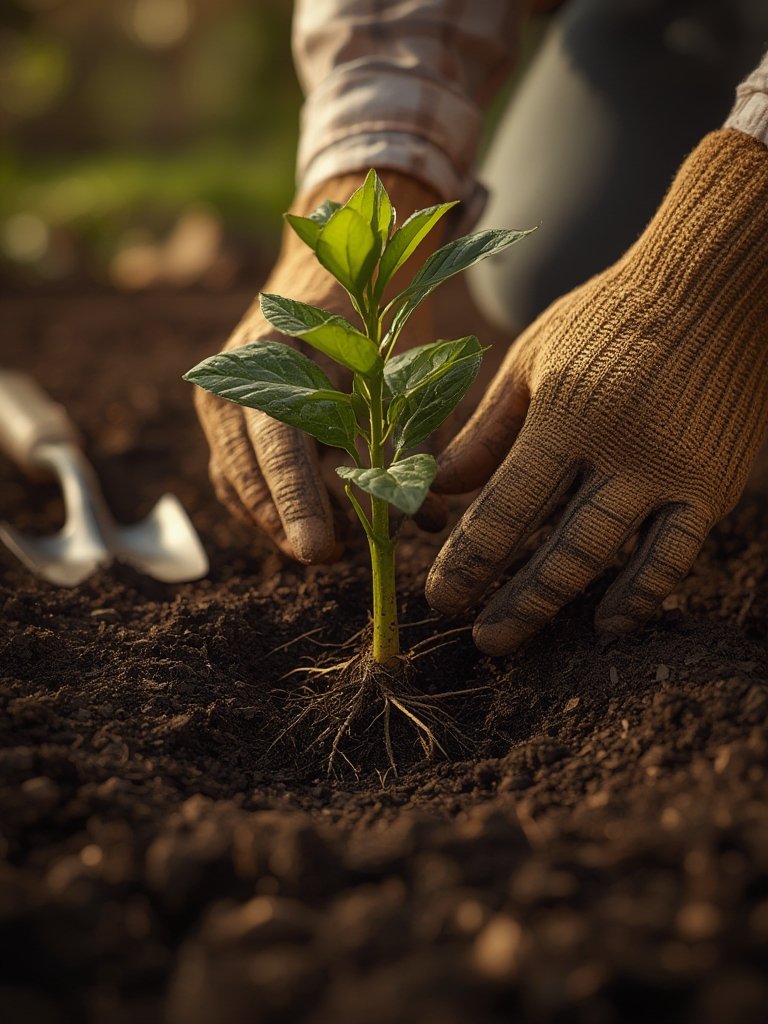
Following these steps, your milkweed patch can become a monarch magnet within a single season, attracting not just butterflies but native bees, ladybugs, and other beneficial insects. While not every seed will germinate, and some plants may be slow to establish, a diverse and persistent planting approach ensures long-term results.
Advanced Analysis & Common Pitfalls When Planting Native Milkweed
Even the best intentions can fail if you fall into common traps. Here’s what most blogs overlook and what you must watch for when working with native milkweed plants:
- Mistaking non-native species for natives: Buying tropical milkweed (Asclepias curassavica) or mislabeled varieties can unintentionally harm local monarch populations. Non-native milkweed often persists year-round and can increase monarch disease risk.
- Pesticide contamination: Plants or seed treated with systemic pesticides (especially neonicotinoids) are toxic to caterpillars. Always verify with suppliers that products are pesticide-free.
- Planting in the wrong spot: Too much shade, soggy clay, or intense heat can stunt growth or kill seedlings. Match species to conditions, or try planting in raised beds or containers if soil is poor.
- Over-irrigation: While young plants need moisture, mature milkweed is drought tolerant. Excess watering leads to root rot and fungal diseases.
- Overcrowding and weed competition: Not removing weeds or giving enough space will reduce both plant health and available habitat for monarchs.
Here’s a quick comparison of two popular milkweed species to help clarify their requirements:
| Species | Preferred Soil | Sun | Water | Bloom Time | Notes |
|---|---|---|---|---|---|
| Asclepias tuberosa (Butterfly weed) | Sandy or well-drained | Full sun | Low | June-August | Bright orange; excellent for dry gardens |
| Asclepias incarnata (Swamp milkweed) | Moist or wet, rich soils | Full sun to light shade | Moderate to High | July-September | Good for rain gardens and wet sites |
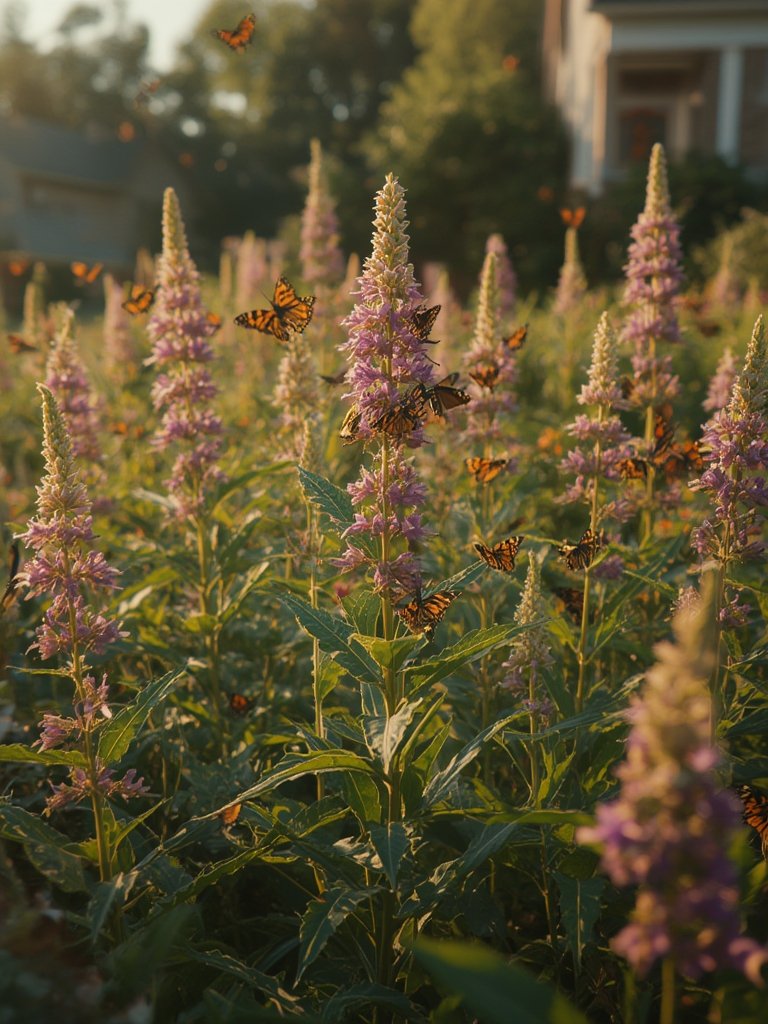
Nearly anyone can grow native milkweed plants if they match species to their site and avoid common mistakes. There are almost no restrictions on buying or shipping these species, so everyone has a chance to get involved. For those interested in water-wise or low-maintenance options, check out native plant lawn alternatives and backyard rewilding to integrate milkweed into a richer ecological landscape.
Conclusion
Monarch butterfly populations are in urgent decline, but by planting native milkweed plants, everyday people can reverse habitat loss and support pollinators dramatically. Choose regionally appropriate species, source responsibly, and avoid common mistakes for a thriving monarch-friendly landscape. Start today—add native milkweed plants to your garden or shared spaces and encourage friends, neighbors, and communities to do the same. Every patch makes a difference and your efforts are crucial.
Want to help even more? Learn how to combine native milkweed with diverse pollinator plantings by exploring pollinator garden design or get inspired to transform your lawn with native meadow planting. Take action now: plant native milkweed plants—and be part of the monarch comeback story!
FAQ
Which native milkweed plant is best for my region?
For most of the eastern and central US, Asclepias tuberosa and Asclepias incarnata perform well. In the western US, options include Asclepias speciosa and Asclepias fascicularis. Check with local extension offices or native plant societies for precise recommendations by state or county.
How long do native milkweed plants take to grow and bloom?
From seed, most native milkweed species bloom in their second year. If planting nursery-grown plants, you might see blooms in the first summer, especially with Asclepias tuberosa and incarnata.
Is tropical milkweed (Asclepias curassavica) safe for monarchs?
No. Tropical milkweed is not native, can disrupt monarch migration, and fosters higher rates of disease. Native milkweed is always safer for supporting local monarchs.
Can I grow native milkweed in pots or containers?
Yes, many native milkweeds can be container grown if the container is deep (at least 12-18 inches) since they have long taproots. Ensure good drainage, and use large pots for best success.
Do I need to worry about pesticide residues on purchased milkweed?
Yes, this is a common but underreported issue. Always confirm with sellers that plants are “neonic-free” or have not been treated with systemic pesticides. Local nurseries and conservation groups are usually the safest sources.
—