

### Blog Post:
Permeable paver systems are gaining rapid popularity as more homeowners, landscapers, and municipalities seek proven methods for eco-friendly stormwater management. But are they the right solution for your property? Get clear, realistic answers to the “how,” “why,” and “what to watch out for”—plus actionable steps to make your installation successful and hassle-free.
Key Takeaways
- Permeable pavers allow rainwater to pass through, reducing runoff and supporting sustainable drainage.
- Proper installation and site prep are critical to prevent common problems like clogging, uneven settling, and high maintenance costs.
- Expect higher upfront costs compared to standard concrete, but with the upside of meeting green regulations and long-term drainage compliance.
- The Core Concept: What Are Permeable Pavers?
- Step-by-Step Guide: How to Plan and Install Permeable Pavers
- Advanced Analysis & Common Pitfalls
- Conclusion
- FAQ
The Core Concept: What Are Permeable Pavers?
Permeable paver systems are hardscape surfaces designed to allow water to flow through gaps or porous materials, rather than running off into storm drains. Unlike traditional concrete or asphalt, these systems integrate stones, grids, or concrete units with engineered base layers to let water seep naturally into the ground.
Why are they so relevant now? Urban growth, outdated storm sewers, and increasing water regulations have made stormwater control a top priority for cities and residential projects. Permeable pavers provide a way to achieve compliance, cut flooding risk, and unlock green building incentives. For homeowners, they offer curb-appeal upgrades and a resilient alternative to traditional driveways or patios—especially in areas with infiltration mandates or water management rules.
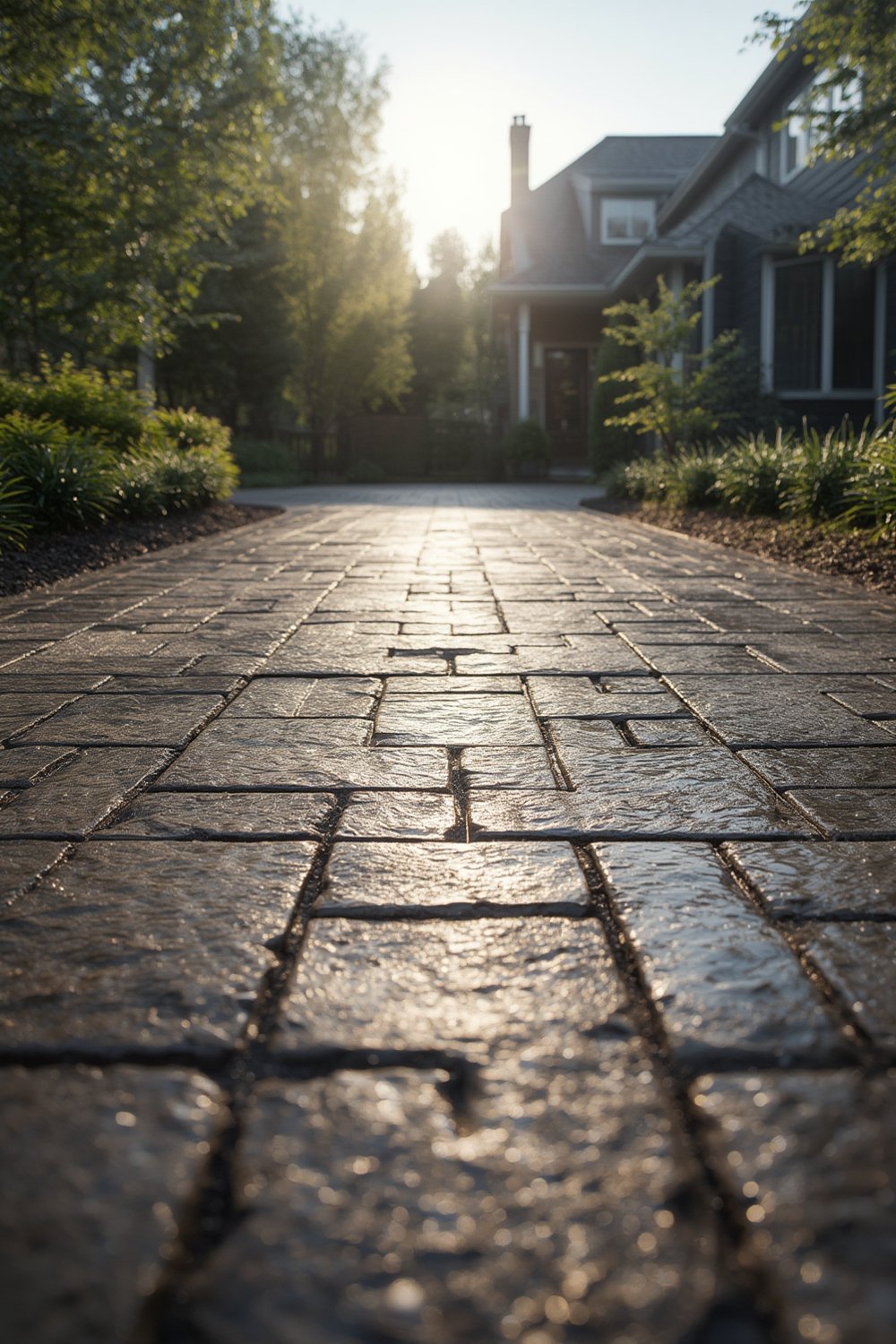
Globally, the permeable pavement market is surging—valued at $19 billion in 2023 and projected to reach $27 billion by 2031 with commercial installations leading the charge. Still, a steadily growing share comes from homeowners seeking sustainable, low-impact solutions.
If you’re landscape planning, also consider upgrading your native plant lawn or creating a rain garden to capture even more runoff and support pollinators. These strategies, used together with permeable pavers, build toward a highly eco-friendly landscape.
Step-by-Step Guide: How to Plan and Install Permeable Pavers
Successful permeable paver installation requires careful planning, precise site prep, and strict attention to drainage and base construction. Follow these steps for a durable, trouble-free result:
- Assess Your Site and Soil: Test your soil’s infiltration rate. Sandy or loamy soils work best. Heavy clay may require deeper aggregate bases or additional underdrain systems.
- Determine the Right Product: Choose between concrete permeable pavers, plastic grids (often for driveways or Pennsylvania sedge lawn edges), or grass paver systems based on traffic loads and appearance.
- Excavate and Prep the Base: Remove all topsoil and excavate to the required depth—usually 12–18 inches for driveways. Install geotextile fabric to separate the base from subsoil.
- Install the Aggregate Base: Use clean, angular stone layers (open-graded aggregate) to allow water flow. compact each layer carefully. For residential driveways, expect 6″–12″ of base depending on soil and vehicle load.
- Lay Edge Restraints: Secure borders with concrete, steel, or plastic edging to prevent lateral movement.
- Lay the Pavers: Set pavers or grids according to manufacturer’s specifications. Fill gaps with small angular gravel (not sand) for water infiltration.
- Final Compaction and Fill: Compact the surface again. Sweep aggregate into joints so they stay filled and permeable.
- Inspect Drainage: Confirm that water flows freely through the surface and out the edges or into subgrade as designed.
- Ongoing Maintenance: Sweep regularly to avoid joint infill clogging, and vacuum yearly to maintain infiltration rates.
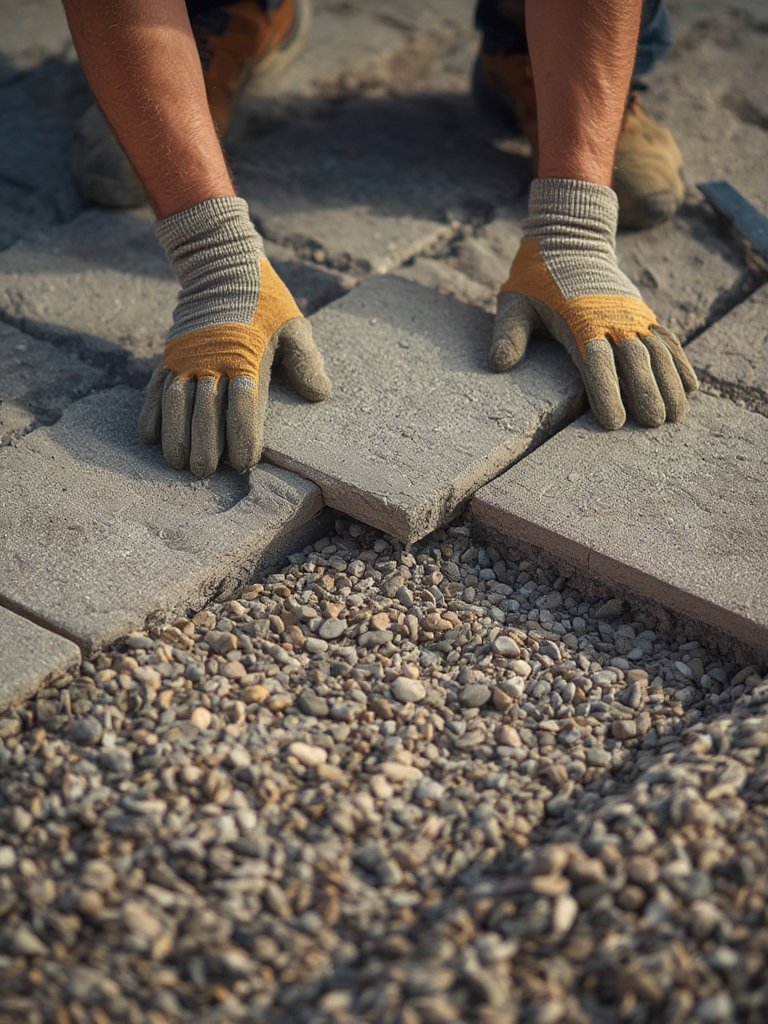
Thinking long-term? Pair your permeable paver driveway with a smart irrigation system or add a meadowscaping buffer to boost runoff capture, support pollinators, and reduce your watering needs.
Advanced Analysis & Common Pitfalls
While permeable paver systems offer standout eco-benefits, they are not trouble-free. It is important to weigh challenges alongside advantages for an informed decision:
Common User-Reported Problems
- Clogging: Over time, silt, debris, and grit can block infiltration, especially if landscaping or irrigation introduces extra run-in. Regular sweeping and annual vacuuming help, but many users underestimate this need.
- Maintenance Costs: Expect long-term maintenance requirements—specialized cleaning, joint refilling, and periodic professional inspection—to exceed those of standard concrete. Budget accordingly.
- Uneven Settling: Inadequate base compaction or poor edge restraint may lead to frost heave or rutting under vehicles, especially in regions with intense freeze-thaw cycles. Site conditions matter.
- Weed Growth and Ant Infestation: Open joints provide opportunities for unwanted plants and insects if not properly filled and maintained.
- Upfront Expense: Installing a permeable paver system costs significantly more than plain concrete or asphalt—sometimes up to twice as much—due to excavated depth, engineered stone base, and quality materials. See market analysis here for detailed trends.
Comparison Table: Permeable Pavers vs Standard Concrete & Pervious Concrete
| Attribute | Permeable Pavers | Pervious Concrete | Standard Concrete |
|---|---|---|---|
| Stormwater Infiltration | Excellent (varies by design) | Good, but may clog over time | Poor (impermeable) |
| Load Bearing | High (suitable for vehicles, proper subbase required) | Moderate (may crack under heavy loads) | High |
| Lifespan | 15–30 years with maintenance | 10–20 years (surface raveling likely) | 20–30 years |
| Upfront Cost | High | Moderate | Low–Moderate |
| Routine Maintenance | High (sweeping/vacuuming) | Moderate (surface cleaning) | Low |
| Eco-Benefits | Runoff reduction, LEED points, groundwater recharge | Runoff reduction, less effective long-term | None |
Key Eco-Benefits Supported by Research
- Stormwater Management: Permeable paver systems reduce urban flooding by infiltrating rainwater on site. Cited by industry reports as a driver for city projects and LEED/BREEAM qualification.
- Green Infrastructure: Eligible for credits in green building certifications and supports ‘sponge city’ policies for climate resilience according to market data.
- Urban Heat Island Reduction: Some eco-friendly pavers use lighter colors or grass infill to reduce surface temperature, boosting comfort and local biodiversity. For full climate-smart yard design, explore drought tolerant landscaping options.
Other Critical Considerations
- If your region is subject to frequent freeze-thaw cycles, choose paver systems with reinforced bases and expert compaction. Failure to do so risks driveway heaving and premature repairs.
- Consult local stormwater codes. Many municipalities require permeable pavers for larger driveways, especially near sensitive watersheds.
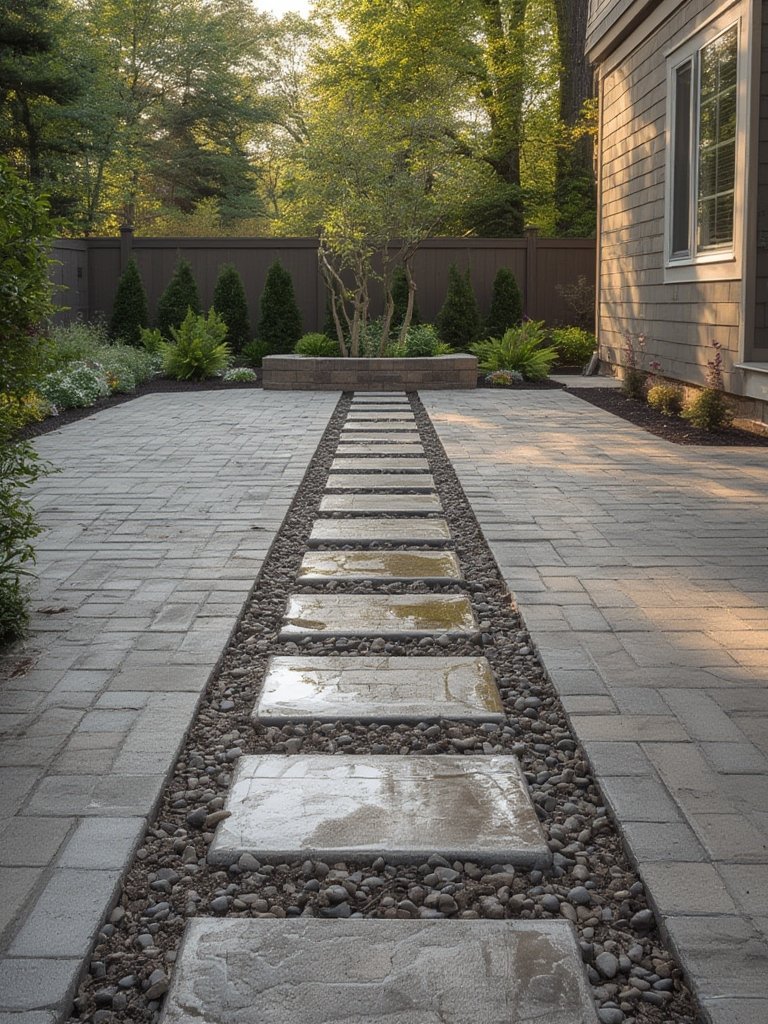
- Where pollinators are a priority, combine permeable paver walkways with pollinator garden design for year-round habitat support.
Conclusion
Permeable paver installations deliver better drainage, help meet local regulations, and boost property value—but they aren’t maintenance-free or the cheapest option upfront. Consider your climate, soil, and long-term upkeep capacity when choosing a hardscape solution. If you want to future-proof your home against flooding, contribute to healthier neighborhoods, and unlock eco incentives, the permeable paver route is a smart and sustainable investment. Ready to take action? Discuss your site with an experienced local contractor today and plan for resilient, compliant outdoor spaces.
FAQ
How long do permeable pavers last?
With professional installation and routine cleaning, permeable pavers typically last 15–30 years. Lifespan depends on base construction quality, usage, and climate conditions.
Are permeable paver driveways good for cold climates?
Yes—with some caveats. Select frost-resistant pavers and ensure a deep, compacted base to prevent heaving and surface distortion during freeze-thaw cycles.
How do I prevent permeable pavers from clogging?
Regular sweeping, minimizing soil runoff, and annual wet-vacuuming keep surface joints clear. Avoid planting soil-adjacent beds without solid edging.
Are permeable pavers more expensive than other driveway options?
Yes, upfront costs run 30–100% higher than standard concrete or asphalt due to deeper base and aggregate needs. However, maintenance and stormwater compliance costs may be lower over time.
Can I use permeable pavers with native landscaping?
Absolutely—combining a permeable paver path or drive with a pennsylvania sedge lawn or sustainable clover lawn enhances runoff management and biodiversity.