

Wildlife habitat garden design is the fastest-growing movement for nature lovers who want to make a direct impact in their own yards. More than an attractive trend, these homegrown habitats support declining birds, bees, and butterflies at a local level—right outside your door.
Key Takeaways
- Less than 0.25% of U.S. homes are certified wildlife habitats, but interest is surging as biodiversity loss accelerates.
- Achieving certification does not require large properties—any space can qualify if core habitat elements are provided.
- A successful wildlife habitat garden prioritizes native plants, water sources, and ecological management, but expect real-world hurdles with neighbors, regulations, and ongoing maintenance.
- What Is a Wildlife Habitat Garden?
- Step-by-Step Guide: Certify Your Wildlife Habitat Garden
- Advanced Analysis & Common Pitfalls
- Conclusion: Is a Wildlife Habitat Garden for You?
- Wildlife Habitat Garden FAQ
What Is a Wildlife Habitat Garden?
A wildlife habitat garden transforms any yard, balcony, or community space into a living ecosystem by providing food, water, shelter, and safe places for local wildlife to raise their young. The primary goal is to restore the life support systems that traditional lawns and ornamentals fail to deliver by using regionally native plants and minimizing chemicals.
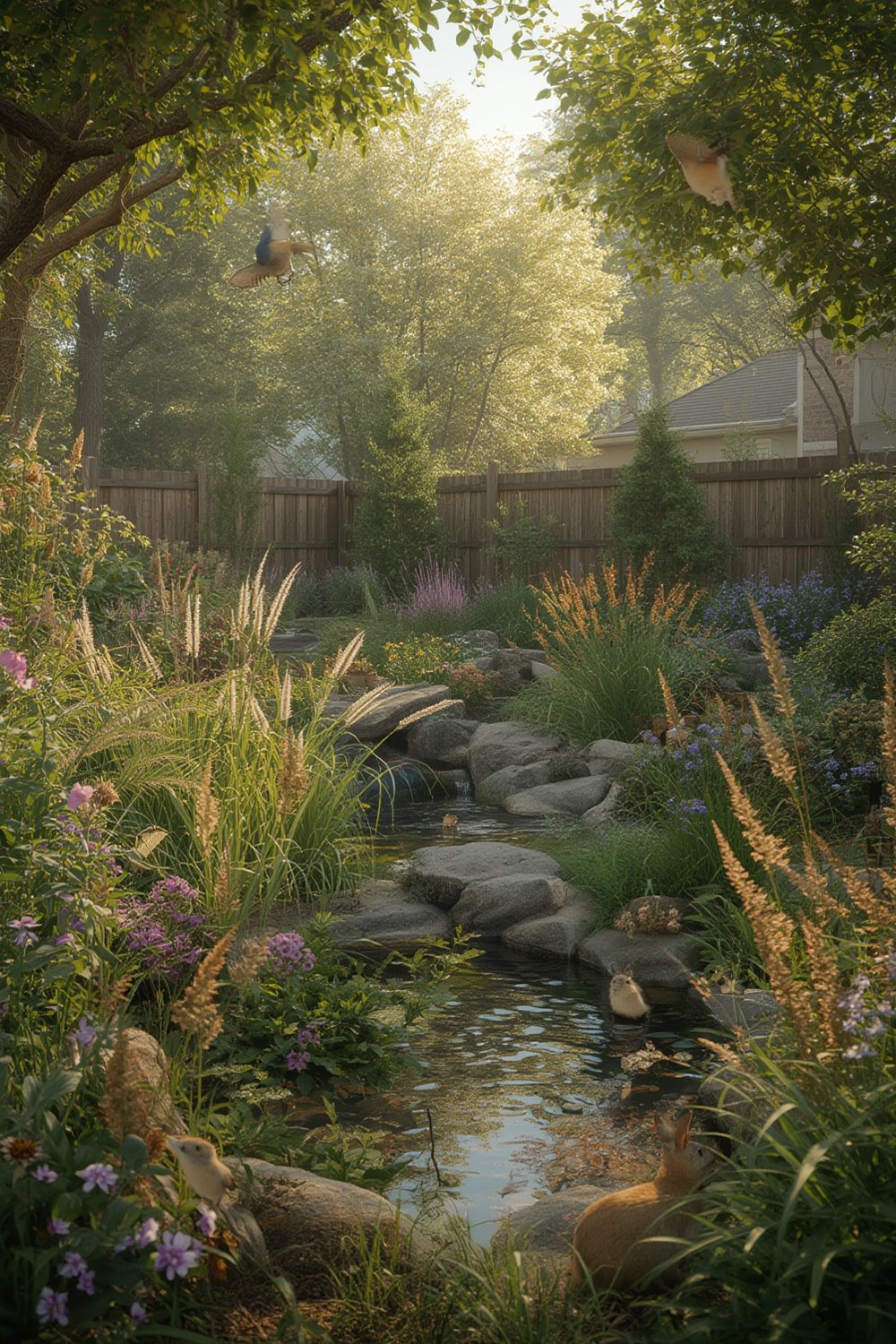
At the most basic level, a wildlife habitat garden includes:
- Food sources: Native flowering and fruiting plants, pollen-producing trees and shrubs.
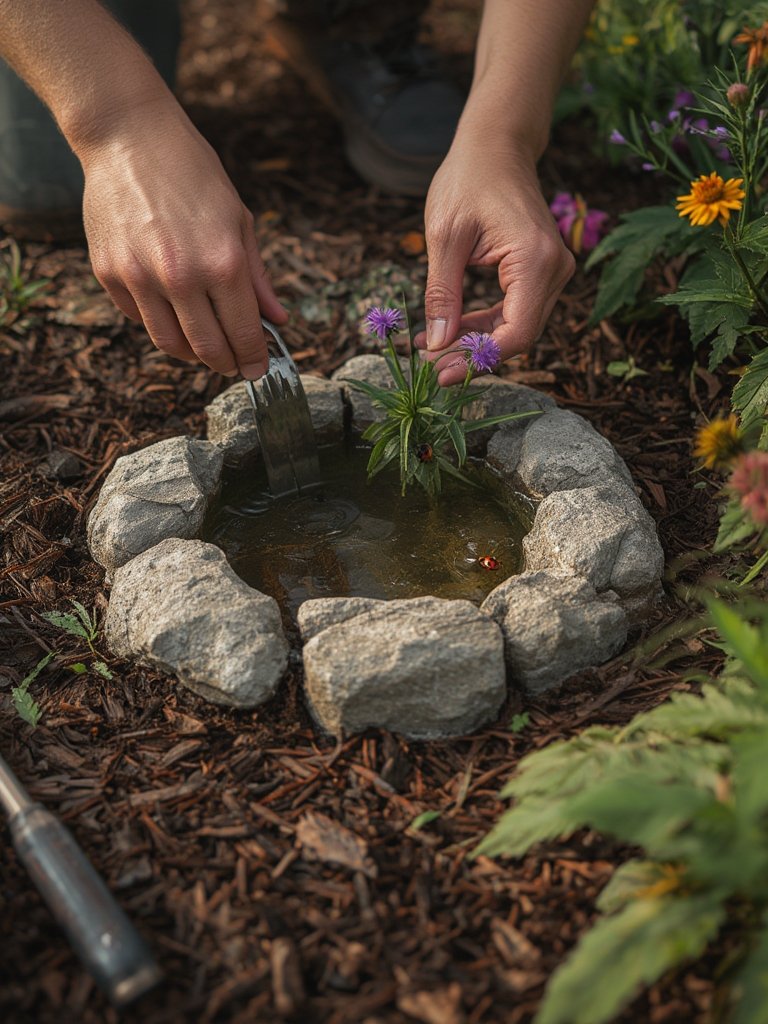
- Water: Birdbaths, small ponds, or even shallow dishes replaced daily.
- Cover: Dense plantings, brush piles, or groundcover for protection from predators and weather.
- Places to raise young: Host plants for butterflies, dead wood for bees, or sheltered nooks for birds.
The National Wildlife Federation (NWF) has certified nearly 300,000 wildlife habitat gardens in the U.S. as part of a voluntary program. However, with over 130 million households, only about 0.23% of homes participate.[source]
If you’re debating lawn versus habitat, we recommend exploring native plant lawn alternatives, especially for small areas, or even meadowscaping for larger and neglected spaces.
Step-by-Step Guide: Certify Your Wildlife Habitat Garden
Ready to join the wildlife habitat garden movement? Getting certified is straightforward, whether you have a balcony or several acres. Here’s how:
Need shade-friendly options? See Pennsylvania sedge lawn tricks from woodland experts.
- Assess your current landscape.
- Identify existing trees, shrubs, and garden beds. Look for non-native/invasive plants or barren mulch zones.
- Check for natural rain garden sources, birdbaths, or opportunity areas for rain collection (rain garden design can count).
- Plan habitat enhancements using native species at every layer.
- Research which plants support your local pollinators, birds, and butterflies. The NWF recommends 50-70% native, but 100% is ideal long-term.[source]
- If you want to go all-in for monarchs, see native milkweed plants.
- Add or upgrade wildlife essentials.
- Food: Install native nectar or seed plants (pollinator garden design for bees & butterflies).
- Water: Use simple birdbaths, shallow dishes, or a low-maintenance water sources. Make sure to clean or refresh at least every other day.
- Cover & nesting: Layer plantings, leave brush piles, or add a DIY bee hotel for solitary bees—skipping pesticide use entirely.
- Document the habitat features.
- Take photos of each feature (plants, water source, shelter, and nesting areas).
- Make a list of native species installed. NWF does not require plant tags or scientific documentation, but clear photos and notes ease application.
- Apply for NWF Certified Wildlife Habitat® status.
- Complete the online application at NWF’s portal.
- Pay the application fee (typically $20–$30, includes signage, subject to change year to year).
- No annual renewal is required, but keep your habitat active and improved if desired.
- Celebrate and share your success!
- Display your official sign (optional but may help with neighbor and HOA perceptions).
- Log your garden with regional or city habitat maps to inspire more people.
Bonus Steps for Maximum Ecological Impact
- Minimize lawn area—consider clover lawn or less mowing to save resources and nurture ground dwellers.
- Use a smart irrigation system to reduce water usage by up to 50% without sacrificing plant health.
- Practice no till gardening and cardboard sheet mulching for soil health and to avoid disturbance to burrowing wildlife.
Advanced Analysis & Common Pitfalls
While the wildlife habitat garden pathway is straightforward on paper, in practice expect a set of real-world hurdles. Here’s what most homeowners don’t realize until they’re months (or years) into their project.
Common Pitfalls
- Underestimating neighborhood and HOA pushback. Many urban or suburban associations enforce neat-lawn norms, and native plant gardens can attract complaints unless buffered with tidy edges or signage.
- Improper native plant selection. Not all “native” plants are suitable for every microclimate. Misreading sun vs. shade, or choosing aggressive spreaders, often leads to garden frustration and rework.
- Lack of patient observation. Wildlife attraction may be slow in the first year, especially when perennial plants are establishing. Gardeners sometimes abandon the plan before seeing full results.
- Ignoring maintenance reality. While native gardens typically require less watering (after establishment), they can involve substantial seasonal cleanup or weed management, contrary to the “no-maintenance” myth.
- Annual costs and labor are poorly documented. NWF does not track or communicate average maintenance hours or budgets, but most successful conversions involve spring and fall cleanup, strategic weeding, and periodic plant replacements if something fails.
| Traditional Lawn | Wildlife Habitat Garden |
|---|---|
| – High water use – Weekly mowing – Fertilizer/pesticide demand – Low wildlife diversity – Minimal pollinator support | – Once established: less water – Seasonal maintenance & selective weeding – No pesticides/fertilizers needed – Improved bird/pollinator numbers[study] – Living soil and year-round interest |
Note: Scientific studies confirm that NWF certified gardens support more birds and butterflies than traditional turf lawns, but specific numbers may vary depending on plant choice, region, and maintenance.[source]
For measurable reductions in water use and “lawn fatigue” headaches, browse our guide to drought tolerant landscaping.
Conclusion: Is a Wildlife Habitat Garden for You?
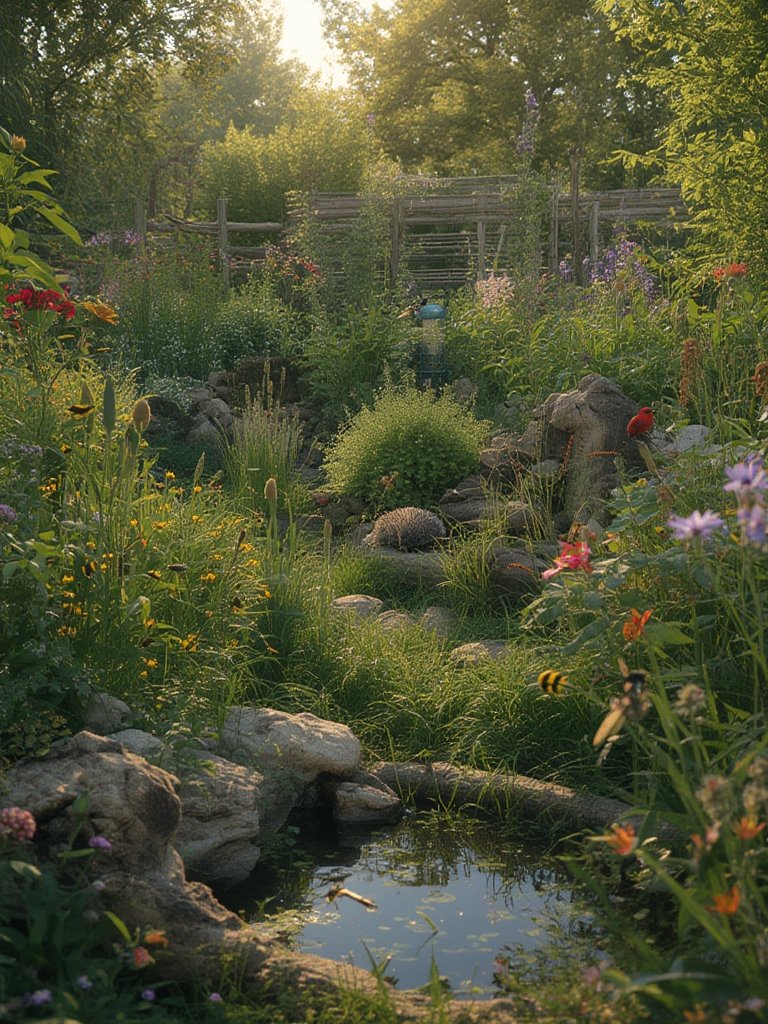
A wildlife habitat garden can transform your space into a refuge for birds, bees, and butterflies—without needing acres or costly landscaping. Certification is accessible for most homeowners, but expect to invest time in research, plant selection, and problem-solving during that crucial first year.
The next wave of gardening is all about ecological function and connection. If you’re ready to restore balance, help challenged species directly, and enjoy natural beauty, a wildlife habitat garden is one of the most rewarding steps you can take. Start small, document your progress, and share your results to inspire others—nature is counting on us.
Ready to begin? Download the free planning guide or explore our detailed resources—then start designing your wildlife habitat garden today.
Wildlife Habitat Garden FAQ
Do I need a large yard to qualify for certification?
No. Even a small balcony, patio, or urban lot can be certified if it provides food, water, shelter, and spaces for wildlife to raise young. Container gardens with native plants count—just document each required element clearly in your application.
Is certification annual? Do I need to renew?
Certification is a one-time process through NWF. No annual renewal is required, but the organization encourages participants to keep their habitats active, add new plants, and share progress to boost local impact. Should you move, new property owners are encouraged to maintain the habitat but need not reapply unless modifications are made.
Can I have a wildlife habitat garden in an HOA or city with strict landscaping rules?
Yes—usually, with thoughtful design. Buffer native beds with tidy borders, avoid tall plantings near sidewalks, add signage, and communicate proactively with your HOA or city. Many associations are now recognizing habitat gardens as valid environmental improvements if kept intentional and attractive.
What’s the main cost besides the application fee?
Costs vary widely. You might spend as little as $50 on seeds, mulch, or containers, or invest hundreds for larger beds, mature plants, or signage. Using cuttings, bareroots, and swapping with neighbors can substantially lower your outlay. Annual maintenance costs usually decrease over time as the habitat matures and fills in.
Will creating a wildlife habitat increase pest problems in my yard?
Habitat gardens attract more beneficial insects and natural predators, usually balancing pest populations naturally. Avoid pesticides, plant a diversity of species, and let birds, toads, and predatory insects do their work—in most cases, overall garden health improves over time.