

Native grass meadow conversions are transforming tired lawns and commercial landscapes across North America. Property owners are turning to native grasses for unrivaled resilience, reduced inputs, and striking four-season beauty—all while supporting pollinators and conserving water.
Key Takeaways
- Native grass meadows dramatically reduce mowing, irrigation, and chemical use while boosting ecosystem health and visual appeal year-round.
- Recent data shows surging demand for native meadows driven by water restrictions, pollinator decline, and the push for low-maintenance landscapes in both residential and commercial settings.
- Careful site preparation, smart species selection, and awareness of establishment quirks are critical for a successful native grass meadow with four-season interest.
- 1. The Core Concept: Why Native Grass Meadows?
- 2. Step-by-Step Guide: How to Establish a Native Grass Meadow
- 3. Advanced Analysis & Common Pitfalls
- 4. Conclusion
- 5. Frequently Asked Questions
The Core Concept: Why Native Grass Meadows?
Native grass meadows swap labor-intensive turf with carefully selected grasses like little bluestem, prairie dropseed, and switchgrass that thrive with minimal care while creating year-round visual intrigue. These meadows are engineered for sustainability: drought-tolerant, disease-resistant, and attractive to wildlife. This trend isn’t fringe—North America accounts for over 60% of the global native grass seeds market, valued at $390 million and expanding due to habitat restoration, green infrastructure, and government programs.[source] Lawn-to-meadow conversions are up 12% among U.S. adults, and the shift is visible as water shortages force city ordinances and boost xeriscaping in places like Southern Nevada.[source]
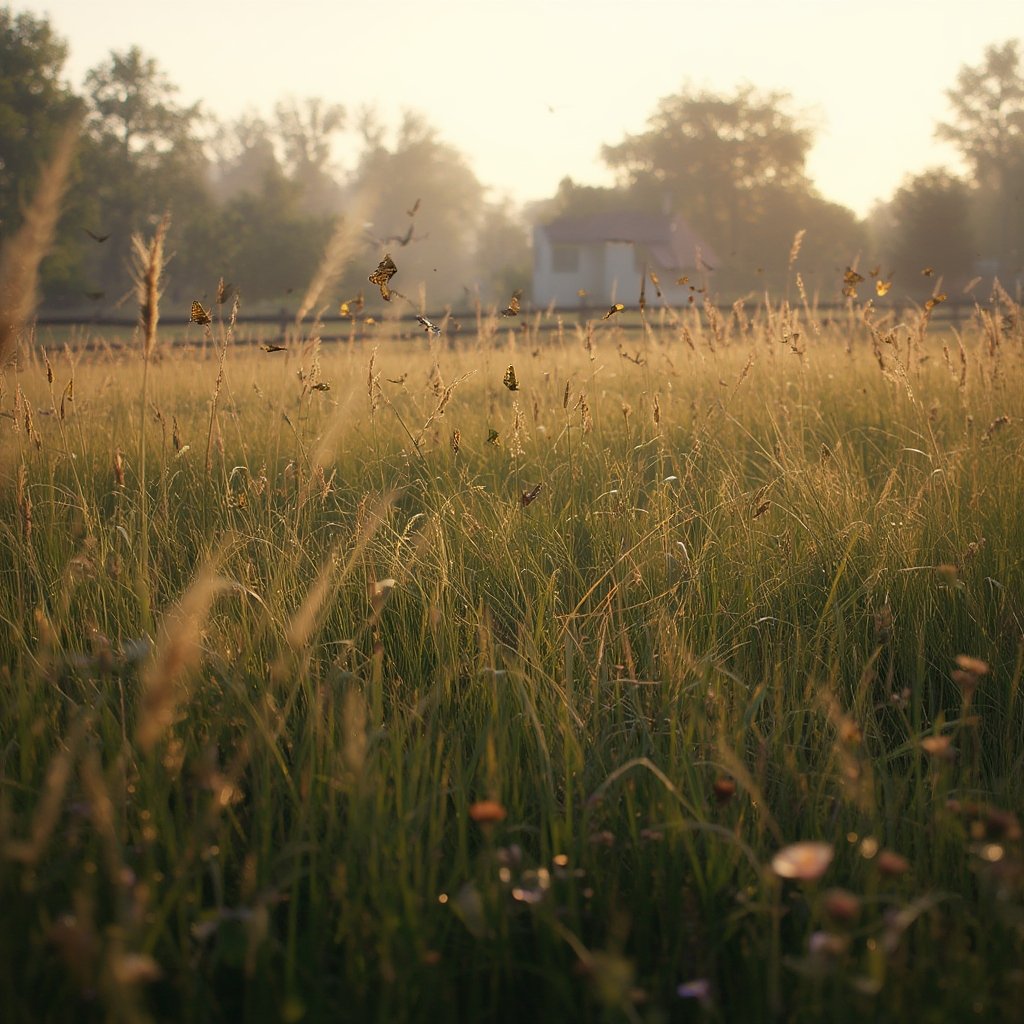
Unlike ornamental grass borders, a native grass meadow is designed as an ecosystem that offers continuous visual interest—blue-green blades and tufty textures in spring and summer, then coppery fall hues and sculptural winter stems. Native species hold soil, control erosion, and replace sterile monocultures. For homeowners interested in meadowscaping or conservation-scale planting, meadows offer a compelling way to rewild small or large landscapes while nearly eliminating the maintenance of legacy lawns.
Step-by-Step Guide: How to Establish a Native Grass Meadow
- Assess and Prepare the Site
- Test soil (pH 5.5-7 is suitable for most native grasses) and check drainage.
- Remove existing turf using solarization, cardboard sheet mulching, or a sod cutter instead of herbicides.
- Address problem weeds ahead of time with targeted weeding or smothering. Poor soil? Native grasses tolerate marginal soils but removing compaction and adding light compost fosters faster establishment.
- Select the Right Native Grass Species Mix
- Blend little bluestem (for height and fall color), prairie dropseed (fine texture), and switchgrass cultivars (‘Shenandoah,’ ‘Heavy Metal’ for vivid foliage) for diverse color, bloom time, and structure.
- Purchase regionally appropriate seed from reputable suppliers. Inventory shortages are real; order early to secure quality seed.[source]
- Timing and Sowing
- Best sowing windows: Early spring after frost, or dormant fall seeding (late October – December) for cold stratification.
- Broadcast seed evenly onto bare soil (not mulch), then roll or lightly press the seed in for good contact. Cover lightly with straw or erosion blanket if on a slope.
- Early Watering and Weed Suppression
- Water gently but regularly until seedlings are 3–6 inches tall (usually 4–10 weeks). Use a smart irrigation system for efficient, seasonal watering.
- Monitor for weed outbreaks—especially the first year. Hand-pull invaders or weed-whack above grass seedlings (not below 4″) to prevent shading.
- Maintenance: First Few Years
- In late winter or early spring, mow or trim to 4–6 inches once dormant grass turns tan. This removes old growth and signals new shoots.
- Avoid fertilizing or overwatering; doing so gives an edge to aggressive weeds over the slow-growing native grass meadow.
- Long-Term Enjoyment and Touch-Ups
- Once established (typically 2–3 years), a native grass meadow needs minimal mowing—usually just once per year in spring.
- Add flowering perennials or bulbs in year two or three for extra pop and to boost pollinator habitat. Combine with pollinator garden design for a full-season wildlife corridor.
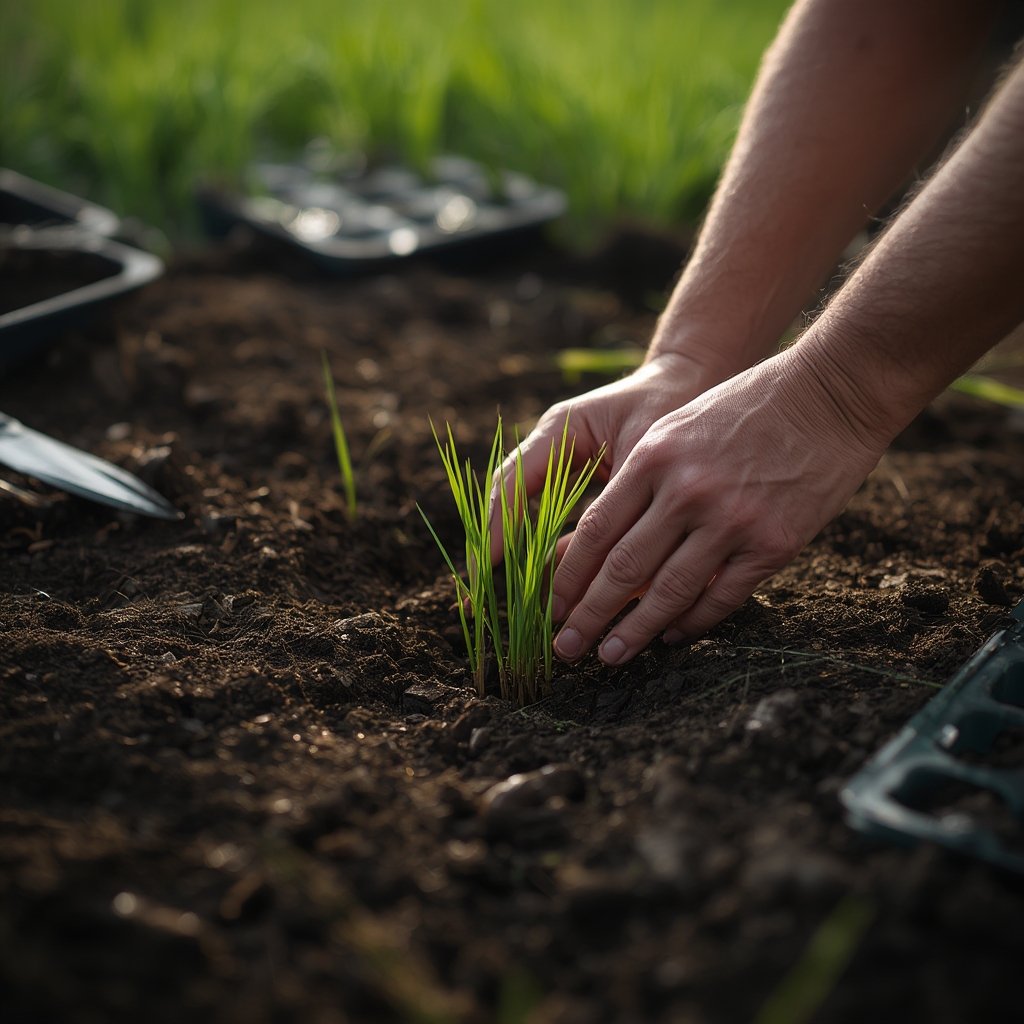
Consider integrating your native grass meadow transition with other water-saving strategies, like establishing a native plant lawn of Pennsylvania sedge on shady sites or converting problem wet spots to a rain garden. For micro-meadows, you can even use sections as living pathways framed by ground cover plants. Meadows pair beautifully with drought tolerant landscaping for a cohesive, climate-adaptive look.
Advanced Analysis & Common Pitfalls
Although native grass meadows offer unmatched sustainability, new adopters face predictable stumbling blocks—especially in the first two seasons. Some go in expecting instant results, but true meadows demand patience and strategic intervention.
| Pitfall | Cause/Impact | Solution |
|---|---|---|
| Slow First-Year Growth | Native grasses such as little bluestem and prairie dropseed focus energy on roots early on, resulting in sparse first-year cover. | Be patient—full coverage emerges by year two or three. Use temporary annual wildflowers or erosion blanket if bare spots persist. |
| Weed Invasion (Particularly Annual Grasses and Broadleafs) | Cleared soils attract weed seeds; insufficient aftercare makes meadows vulnerable, especially if mowing is skipped the first year. | Regular mowings above 4″ and vigilant pulling—especially before weeds go to seed—are crucial. Avoid fertilization, as this can favor weeds. |
| Seed Supply and Establishment Delays | 2024 saw a 2.5% decrease in certified seed acreage; crop failures can mean delayed or poor germination, especially for restoration projects. | Order early from reputable local sources, and understand that meadows can take 2–3 years to fully establish. Inspect seed packaging dates for freshness. |
| Visual “Brown-Out” in Late Winter | Dormant grasses turn tan or straw colored; the look is natural but catches some by surprise. | Lean into winter texture by mixing in standing seedheads, ornamental sedges, or evergreens nearby for contrast. |
Cost data for installation and annual care is still elusive (2024 reports highlight qualitative savings but lack per-square-foot figures). What’s clear: maintenance drops drastically after establishment, typically requiring only one mow per year. Compared to conventional turf, native meadows save water, lower management time, and drastically boost biodiversity.[source] For full comparisons with alternative eco-lawns, see our deep dive on Pennsylvania sedge lawns.
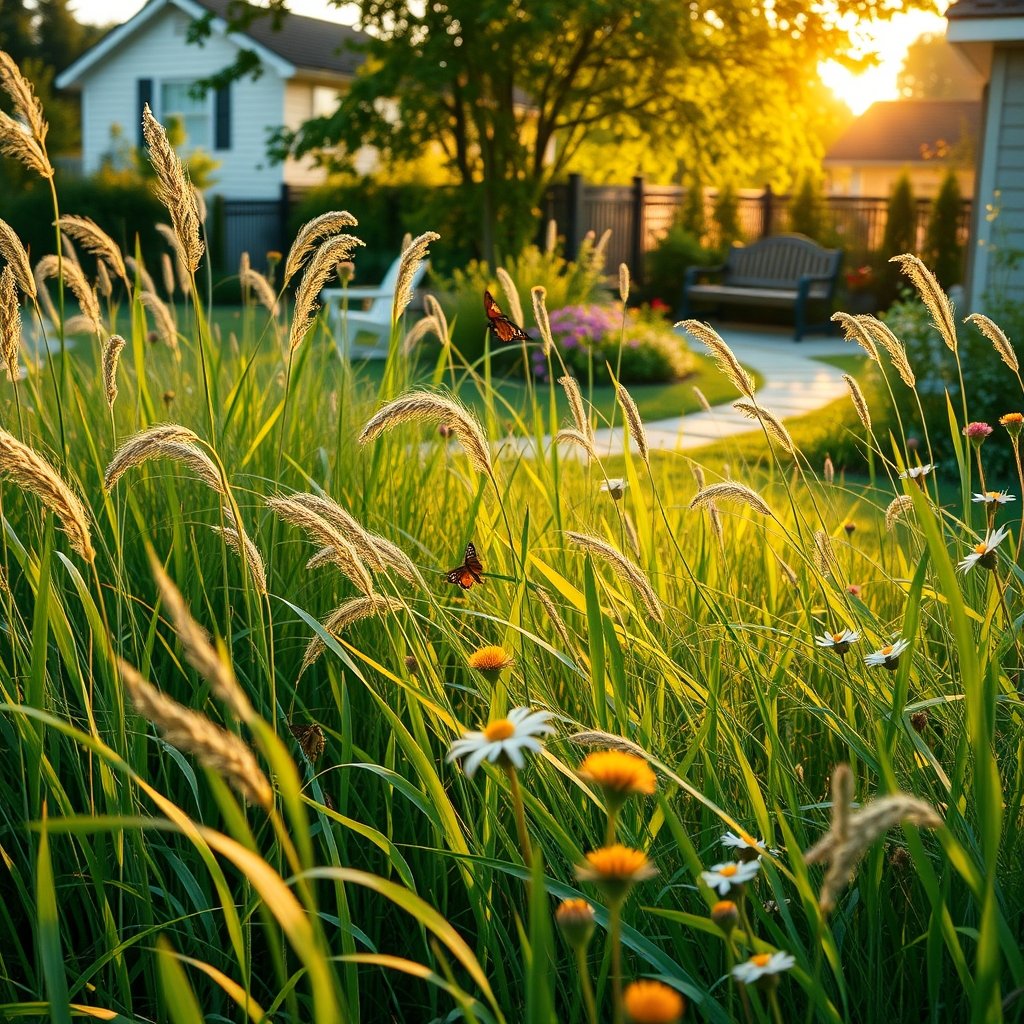
Also note that while native grass meadows significantly outperform turf for ecosystem services, dedicated wildlife habitat gardens or pollinator plantings may provide even greater benefits for specialist insect species, depending on your goals. Consider these as complementary options rather than either-or choices.
Conclusion
North America’s shift toward native grass meadows is undeniable, driven by drought, environmental consciousness, and the desire for stunning, sustainable landscapes. With little bluestem, prairie dropseed, and switchgrass at the core, it’s now possible to achieve four-season visual appeal with minimal maintenance. The process demands planning and a little patience—but the payoff in water savings, biodiversity, and weekly labor is huge. If you want to futureproof your garden and help reverse pollinator decline, consider establishing a native grass meadow this season. Get started by mapping your site and sourcing seeds early for best results.
Frequently Asked Questions
How long does it take to establish a native grass meadow?
Most native grass meadows achieve 60-90% coverage by year two, with full density and visual effect around year three. The first year focuses on root development rather than lush green growth. After establishment, ongoing care is minimal.
Does a native grass meadow need mowing or irrigation?
Some mowing is recommended once per year in late winter or early spring to remove old stems and encourage fresh growth. Irrigation is needed only during the first growing season or extended droughts, thanks to deep-rooted drought-tolerant species.
Are native grass meadows more expensive than turf lawns?
Install costs vary, but native meadows often cost less over 5+ years due to low inputs. While seed can be pricier upfront and establishment takes patience, you save on water, mowing, and chemical treatments year after year.
Will a native grass meadow attract pests or wildlife problems?
Native meadows attract beneficial insects and birds but rarely become pest problems. Occasional voles or deer may use meadows, but species like little bluestem and switchgrass tend to be deer resistant and structurally resilient.
Can I grow a native grass meadow in shady or wet areas?
Most native prairie grasses need full sun for best performance. For shade, consider Pennsylvania sedge lawns. For wet zones or runoff-prone sites, a rain garden with moisture-tolerant natives is a better fit.