

Native grass meadow landscaping is quickly gaining popularity among homeowners seeking practical alternatives to thirsty, high-maintenance turf lawns. If you want less mowing, lower water bills, and a true backyard ecosystem, converting traditional grass into a native grass meadow could be the best decision for your landscape and your wallet.
Key Takeaways
- Native grass meadows can cut your lawn maintenance costs by up to 90% over a decade and thrive with minimal watering once established.
- Successful meadows require careful site preparation, diligent early weed control, and smart native seed selection for your region.
- Local ordinances, seasonal appearance, and specific pollinator benefits are important factors often overlooked but critical for long-term satisfaction.
- Understanding Native Grass Meadows — What and Why
- Step-by-Step Guide to Creating a Native Grass Meadow
- Advanced Analysis & Common Pitfalls
- Conclusion
- Frequently Asked Questions
Understanding Native Grass Meadows — What and Why
A native grass meadow is a permanent planting of region-appropriate grasses and wildflowers, designed to mimic natural prairies or savannas while providing habitat for birds and pollinators. Unlike conventional lawns or ornamental grass gardens, native meadows require little ongoing intervention once mature. Their deep-rooted species are adapted to local rainfall patterns and soils, vastly reducing irrigation, mowing, and chemical inputs.
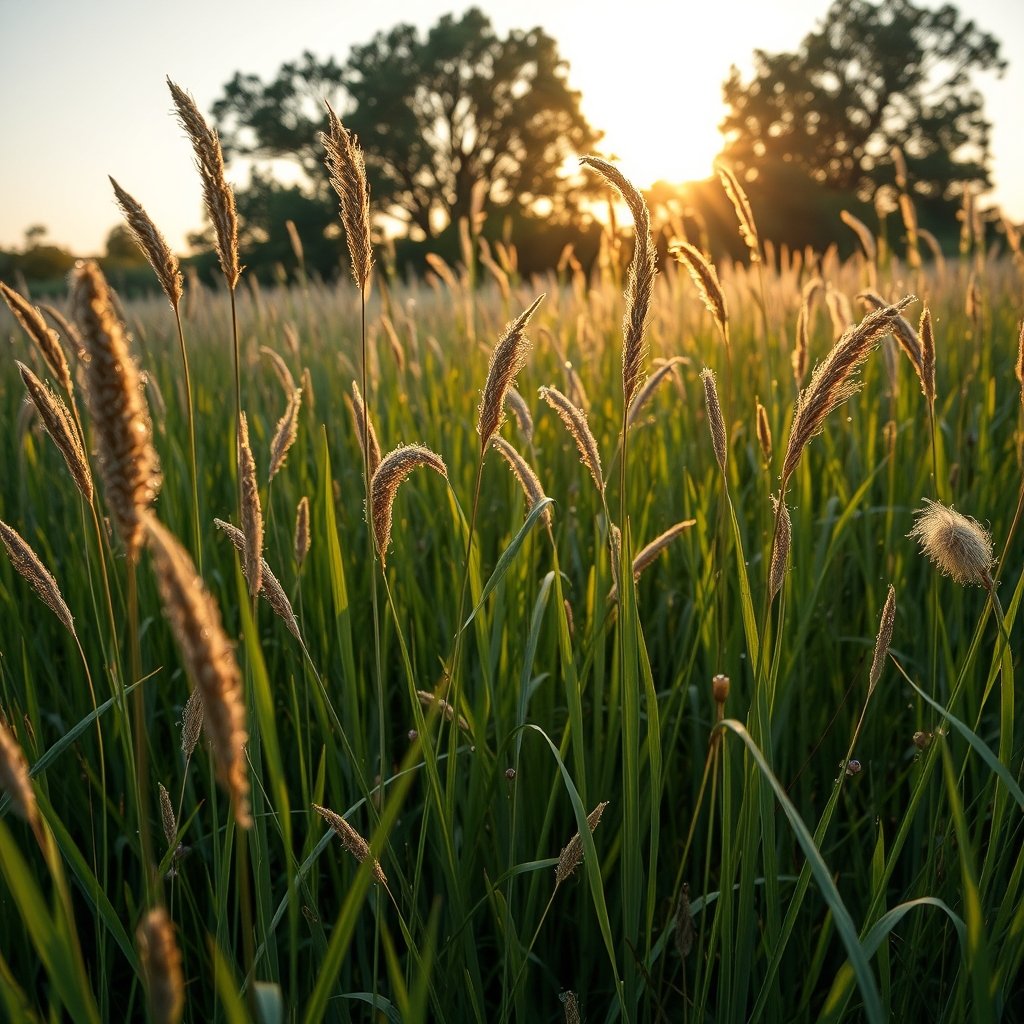
Homeowners are now choosing native grass meadows as an eco-friendly, labor-saving alternative to traditional turf. You can skip weekly mowing, use less water, and invite more wildlife into your yard. Combining native grass meadow features with strategies like meadowscaping and native plant lawns supports biodiversity, enhances property value, and helps combat the artificial sterility of monoculture lawns.
Best of all, native grass meadows can reflect the character of your region’s original landscape, transforming unused, difficult, or sloped yard areas into vibrant, thriving spaces with year-round interest.
Step-by-Step Guide to Creating a Native Grass Meadow
Transitioning from turf grass or bare ground to a low-maintenance native grass meadow is possible for any average homeowner with patience and a plan. Here is a practical, realistic sequence to follow:
- Assess Your Site
Note sun vs. shade, existing vegetation, and areas with poor drainage or slopes. Native grass meadow species thrive best in full sun (6+ hours); for shady zones, consider alternatives like a Pennsylvania sedge lawn. - Check Local Ordinances and HOA Rules
Before starting, verify that local codes or homeowners associations allow meadow or “wild” landscapes. Some towns require a “managed” appearance or have setback rules. Installing a neat border or mowed edge helps communicate intentionality. - Remove Existing Grass and Weeds
Use a method like solarization, repeated mowing, or sheet mulching to eliminate turf and weeds. Avoid using herbicides if possible. This step is critical for reducing maintenance headaches in year one. - Prepare the Soil Gently
Native plants thrive in unimproved soils; you do not need to fertilize, till, or amend unless soil is compacted. Rake to remove debris and create good seed-to-soil contact. - Seed Selection and Sowing
Choose a mix that includes region-specific native grasses (such as switchgrass or little bluestem) and a handful of wildflowers for diversity. Sow in late fall (preferred for natural stratification) or early spring. - Watering and Germination
Lightly water after seeding. Supplemental irrigation is needed only during gaps in rainfall until seedlings establish—far less than a new turf lawn, which demands 1-1.5 inches per week. - First Year Maintenance: Vigilant Weed Control
Expect to mow high (4-6 inches) several times in year one to prevent annual weeds from setting seed. Spot-weed problem patches and mulch where needed. Reference modern approaches like no-till gardening for extra soil health. - Long-Term Management
From year two on, most native grass meadows need only 1-3 mowings per year. No regular fertilizing, overseeding, or pesticide schedules are required.
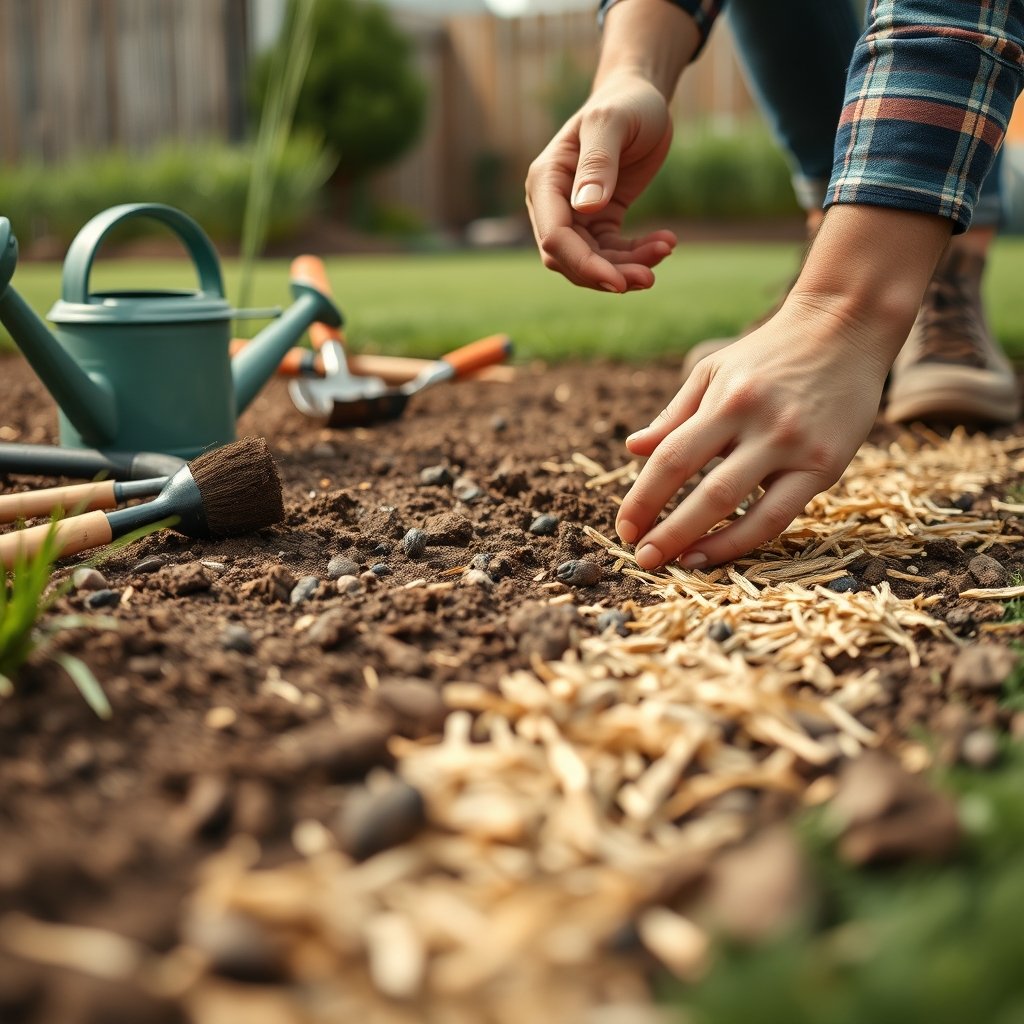
For sites with poor infiltration or water runoff, integrate rain garden features at meadow edges. To boost pollinator support throughout the year, blend in a portion of pollinator garden design with your grass seed mix. And for truly eco-conscious areas, select species proven as hosts for local butterflies or ground-nesting bees.
Advanced Analysis & Common Pitfalls
Despite their many upsides, native grass meadows require knowledge and commitment in the critical establishment years. Here are the most common pitfalls and challenges, with research-backed insights to help you avoid or address them:
- Weed Pressure in Year 1-2: Most homeowner complaints center on aggressive annual weeds. Mechanical mowing and early intervention help; avoid letting “weeds” go to seed or you may fight invasives for years. Source
- Patchy or Thin Growth First Year: Native grass seedlings grow much slower than turf, so bare spots are common. Don’t overseed or fertilize—patience pays off as root systems develop.
- Seasonal Appearance and Perceptions: Unlike clipped lawns, native meadows change appearance seasonally and may look “messy” in winter or after mowing. This is natural and supports wildlife habitat but may conflict with community expectations.
- Lack of Species-Specific Guidance: Research lacks clear recommendations on the best switchgrass, little bluestem, or prairie dropseed cultivars for four-season color or resilience. Review local recommendations or university trial plot results when available.
- Local Legal Restrictions: Many towns or HOAs restrict unmown yards. Before investing, confirm regulations and consider adding borders, signage (“Native Meadow—Pollinator Habitat”), or an integrated cut path for a neat appearance.
| Aspect | Native Grass Meadow | Traditional Lawn |
|---|---|---|
| Upfront Costs | Higher seed; lower prep and short-term irrigation Source | Intensive soil prep, sod/seed cost, multiple chemical applications Source |
| Annual Time | 0–30 minutes per week; 1-3 mowings | 50+ hours per season—weekly mowing plus more |
| Annual Inputs | Minimal water and chemicals Research | Fertilizer 3-4x, weekly irrigation, constant mowing |
| Long-Term Cost Savings | Up to 90% over 10 years vs. turf grass | High, ongoing maintenance and material costs |
Other frequently mentioned pain points include:
- Not enough documented, year-round bird or pollinator observations compared to ornamental grass gardens.
- Uncertainty about which strains or cultivars offer the best winter color or stand upright without flopping.
- Lack of quantified soil health data—while improvement is cited, few sources provide metrics.
For detailed lawn-to-meadow transformations with native plantings and pollinator support, see meadowscaping strategies.
Conclusion
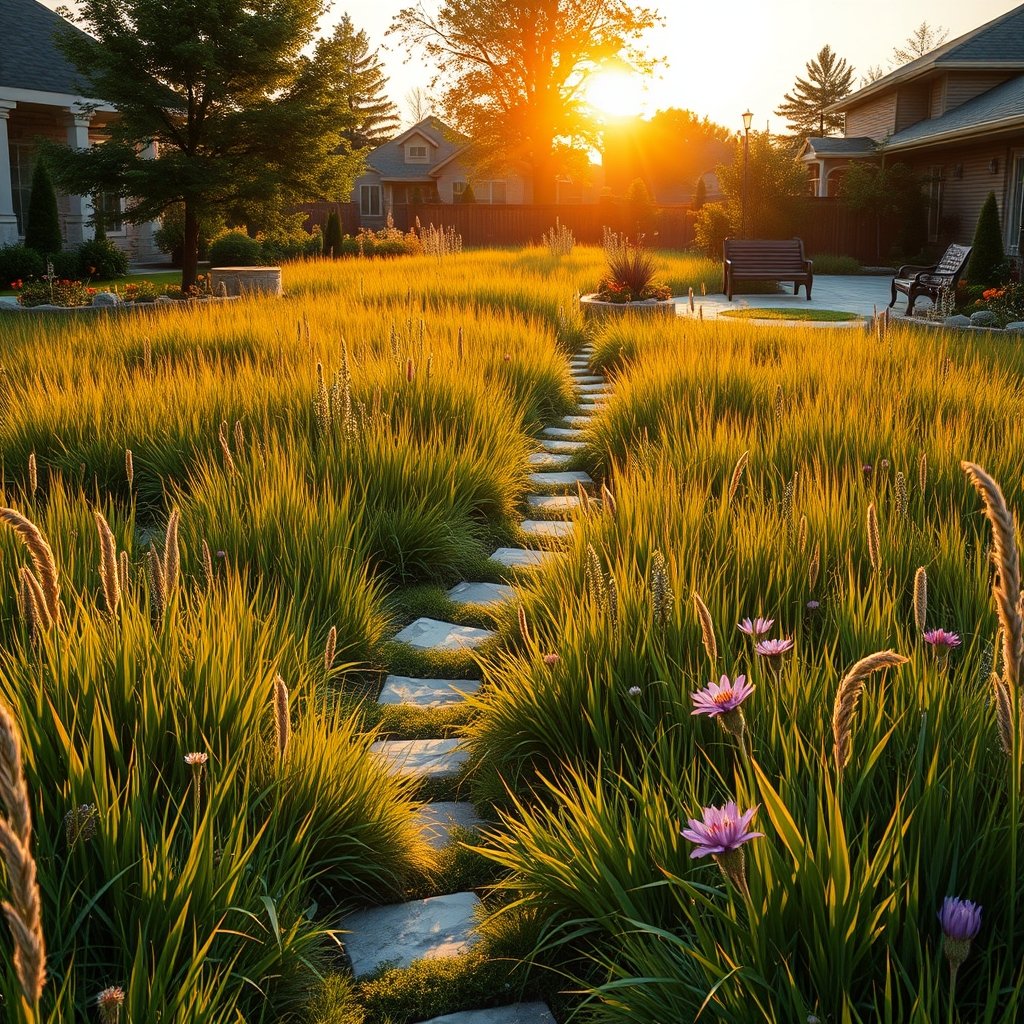
Switching to a native grass meadow provides a realistic pathway to slashing landscape water use, bringing back pollinators, and ending the treadmill of constant mowing and fertilizing. While the benefits are strong—cost savings, biodiversity, less work—remember that site prep, patience in year one, and community compatibility matter. Adapt your plan for local rules, choose seeds for your climate, and expect messy patches before full establishment. Ready to start converting your property into a thriving native grass meadow and experience the satisfaction of a truly living landscape? Let’s get your project underway with expert tips tailored to your site.
Frequently Asked Questions
Does a native grass meadow really need no mowing?
While native grass meadows require far less mowing than lawns, they still benefit from 1-3 annual mowings to control woody invaders and manage appearance. These mowings are usually done in late winter or early spring.
What should I do if my meadow looks patchy or weedy during its first year?
This is normal. Native species are slower to establish. Keep mowing high to suppress weeds, avoid fertilizing, and allow time—most meadows fill in by year three.
Can I install a native grass meadow in shady areas?
Most classic prairie species need full sun. For shade, try Pennsylvania sedge lawn or other shade-tolerant natives.
Are native grass meadows legal in residential neighborhoods?
Some towns or HOAs have restrictions on unmanaged landscapes. Check your local and neighborhood guidelines and consider a neat mown border and informative signage to signal this is an intentional landscape.
Will a native grass meadow attract mosquitoes or pests?
No more than a regular lawn, and usually less—healthy meadows attract birds and beneficial insects that help control pests naturally.