

Organic lawn care is moving from niche to mainstream as more homeowners seek chemical-free, environmentally friendly ways to build a green, healthy yard. But going organic isn’t just about skipping fertilizers or pesticides—it means rethinking the basics of soil health, plant choice, and long-term results. Is it worth the effort for your yard? Let’s dive in.
Key Takeaways
- The organic lawn care market is growing rapidly, but it requires patience, realistic expectations, and a shift in daily practices.
- Organic methods build healthier soil and reduce chemical exposure but can involve higher upfront effort and creative strategies to fight weeds.
- Integrating native grasses, smart irrigation, and natural fertilizers gives better long-term sustainability than relying only on synthetic solutions.
- Understanding Organic Lawn Care
- How to Start: Step-by-Step Guide
- Advanced Analysis & Common Pitfalls
- Conclusion
- FAQ
Understanding Organic Lawn Care
Organic lawn care means managing your lawn without synthetic fertilizers, herbicides, or pesticides. Instead, the focus is on improving soil biology, using slow-release natural fertilizers, and prioritizing grass species and landscaping choices that require fewer inputs. This method aims to reduce chemical runoff, protect pollinators, and create resilient turf that can better withstand drought, pests, and heavy use.
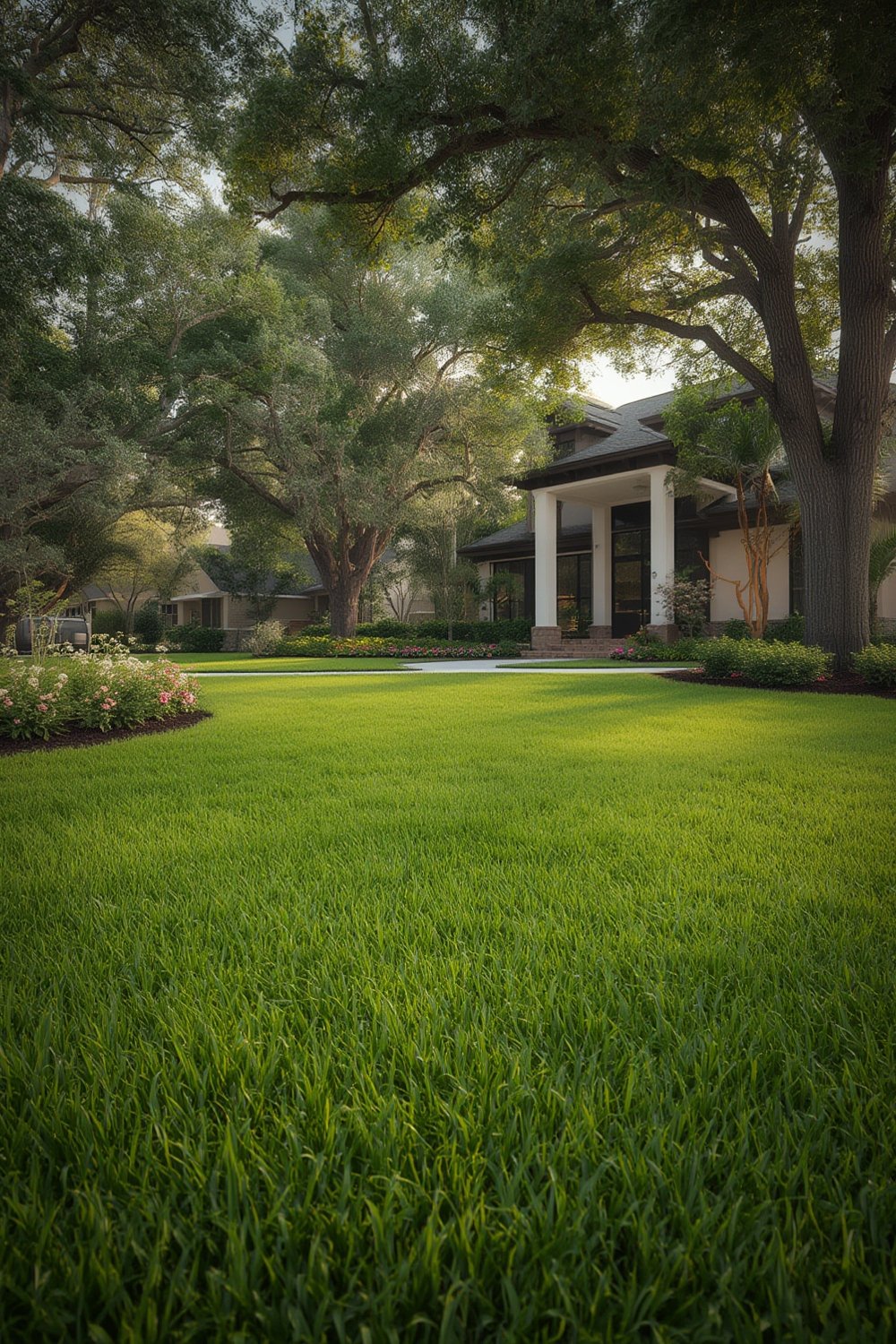
The shift to organic is gaining momentum. The global organic lawn care segment is on track to grow by 10% over the next five years according to market research. While the exact number of homeowners switching is still uncertain, demand for chemical-free, pollinator-safe practices is rising each year.
Choosing the organic route means seeing your yard as part of the ecosystem. This shift aligns with broader trends like native plant lawns and meadowscaping, both popular among homeowners looking to save water and boost biodiversity.
How to Start: Step-by-Step Guide
- Test Your Soil: Before making any changes, get a soil test from your local extension office. This step tells you what nutrients you truly need and your soil’s pH. Knowing this baseline prevents over-correcting with fertilizers—even organic ones.
- Enrich the Soil Organically: Apply high-quality compost and organic fertilizers (such as feather meal, bone meal, or seaweed extract). Scientific research shows that organic fertilizers boost microbial activity and soil structure, creating healthier, more resilient lawns over time.
- Choose the Right Grass (or Blend of Grasses): Select grass species that naturally thrive in your climate and soil. Tall fescue, fine fescue, and certain ryegrasses do well organically. Or, for a low-mow and pollinator-friendly option, try a clover lawn or Pennsylvania sedge lawn.
- Overseed and Topdress: Each fall or early spring, overseed thin areas and apply a thin layer of compost. This boosts grass density naturally and helps outcompete weeds.
- Adopt Smart Watering: Install a smart irrigation system or water early in the morning, deeply but infrequently, to avoid shallow roots and fungal problems.
- Mow High and Leave Clippings: Set your mower high (3-4 inches) and leave grass clippings on the lawn. This shades out crabgrass, encourages deeper roots, and recycles nutrients.
- Natural Weed and Pest Control: Hand pull weeds and spot treat trouble spots with vinegar or iron-based weed killers. To control grubs and pests, apply beneficial nematodes and encourage birds by installing a bee hotel or birdhouses.
- Monitor and Adjust: Organic lawns need observation, patience, and regular minor adjustments. Track trouble zones and tweak your water, mowing, or overseeding routines as needed.
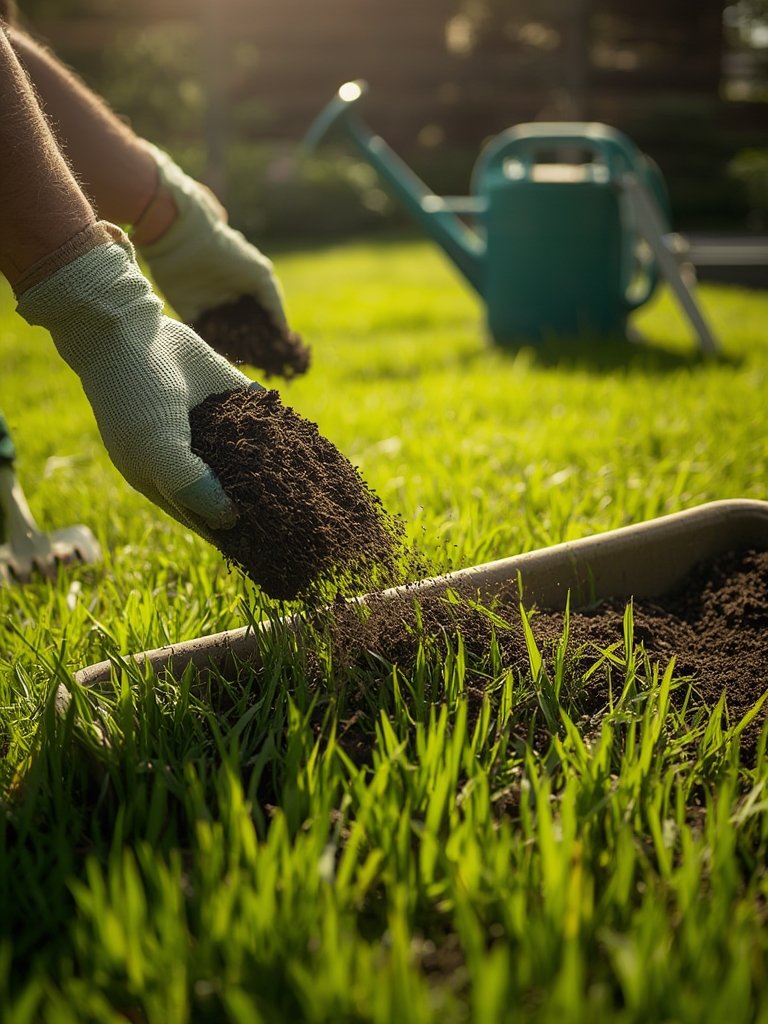
Don’t forget to match your lawn equipment to your organic strategy. Tools like a mulching mower or even zero turn mowers and electric zero turn mowers can save time and reduce emissions, aligning your entire maintenance routine with your sustainability goals.
Looking for even lower-maintenance alternatives? Pennsylvania sedge lawns or meadowscaping need a fraction of the water, mowing, and fertilizer of traditional lawns—and create pollinator habitat at the same time.
Advanced Analysis & Common Pitfalls
Despite its benefits, organic lawn care isn’t a magic fix. Homeowners report several consistent challenges when switching from conventional practices:
- Slower Results: It can take multiple seasons for organic methods to deliver thick, green lawns. Patience and ongoing soil enrichment are key.
- Weed Management Frustrations: Without pre-emergent chemicals, aggressive weeds often surge in the early years. Manual removal, denser overseeding, and persistence are required.
- Pest Flare-Ups: Organic lawns may see occasional insect or disease spikes, especially after harsh weather, lawn renovation, or poor soil preparation. Introducing bee hotels and fostering biodiversity helps natural predators thrive, but more intervention may sometimes be required.
Cost Comparison: Organic vs. Conventional Lawn Care
| Organic Approach | Traditional/Synthetic | |
|---|---|---|
| Initial Year Cost | Higher for soil amendments and quality seed | Lower if using bulk fertilizer/weed-n-feed blends |
| Annual Upkeep (Yrs 2–5) | Lower—mainly compost, spot weeding, some overseeding | Ongoing fertilizer and chemicals needed |
| Water Usage | Can decrease 20-50% over time | Remains consistently high, especially for thirsty turf types |
| Appearance First 1–2 Years | May be patchy or uneven during transition | Usually lush (with high chemical input) |
| Long-Term Sustainability | High—improved soil health, less runoff, safer for pets/kids | Lower—chemical reliance, soil degradation risk |
Scientific Backing & Regulatory Trends
Limited but growing evidence suggests that organic fertilizers improve soil life and nutrient cycling. Still, few independent long-term studies compare organic and synthetic methods for turf health or appearance. Regulations are starting to catch up, with significant U.S. investment in sustainable landscaping and pressure on chemical use for residential lawns. To stay ahead, check your city or state’s rules on fertilizer and pesticide bans.
If you’re in a drought-prone region or want to go even further, integrating drought tolerant landscaping, rain gardens, or even backyard rewilding creates lawn alternatives that excel with minimal watering and sprayer use.
Conclusion
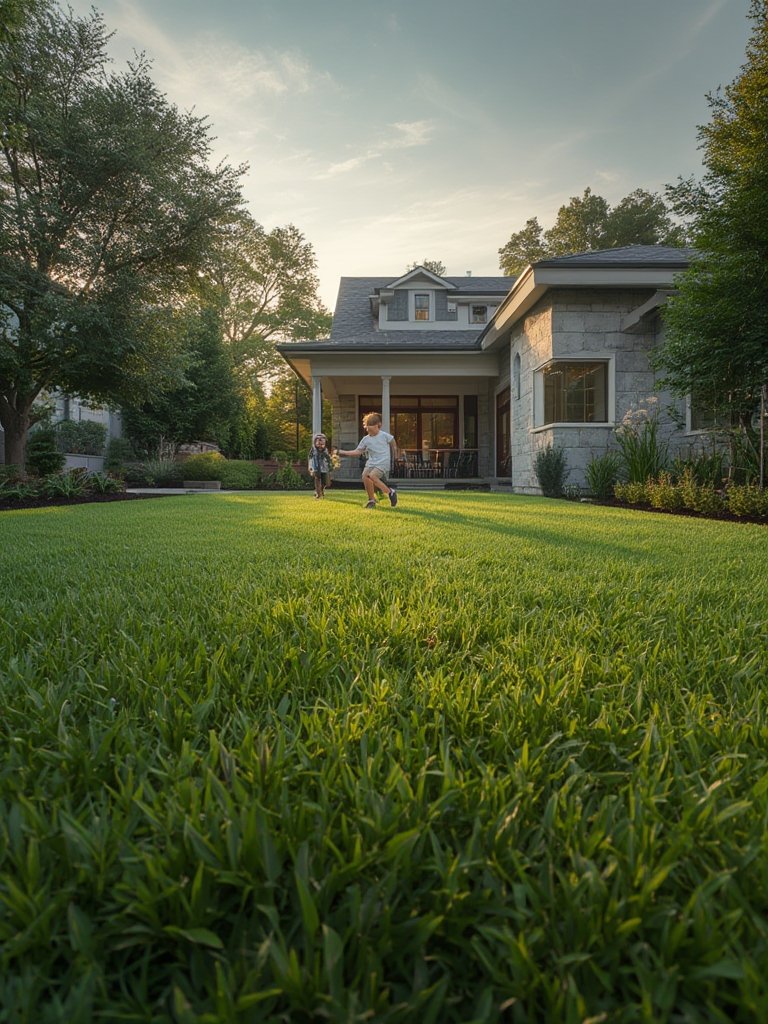
Organic lawn care offers safer spaces for people and wildlife, healthier soil, and a more resilient landscape that can weather drought and disease. It comes with a learning curve and requires patience, but with the right strategies—from improved soil management to integrating native grass replacements—the benefits compound over time. Ready to start your chemical-free journey? Assess your yard, take the first small step toward organic lawn care, and join thousands making the switch for a healthier future.
Want more guidance or help designing a pollinator-safe, low-maintenance landscape? Explore our resources and get practical tips to thrive with organic lawn care today.
FAQ
How long does it take to see results with organic lawn care?
Most homeowners notice gradual improvement over 1–2 growing seasons. Healthier soil and denser turf typically emerge after consistent compost applications and proper overseeding.
Are organic fertilizers as effective as synthetic options?
They build soil health and release nutrients slowly, which supports long-term turf vitality. However, they may not deliver the instant visual green-up provided by synthetic fertilizers.
What’s the most effective organic weed control?
Dense overseeding, maintaining healthy soil, mowing high, hand pulling, and using iron-based or vinegar spot treatments remain the most effective organic strategies for most homeowners.
Is organic lawn care more expensive?
Upfront costs are typically higher for quality organic amendments and seeds. Annual costs decrease over time because you rely more on soil health and less on purchased products.
Can I mix organic and traditional lawn care methods?
Many homeowners use a hybrid approach—reducing, but not eliminating, synthetic products as they transition. Over time, with improved soil and turf, most synthetic products can be phased out.